Georgian Theatre Royal
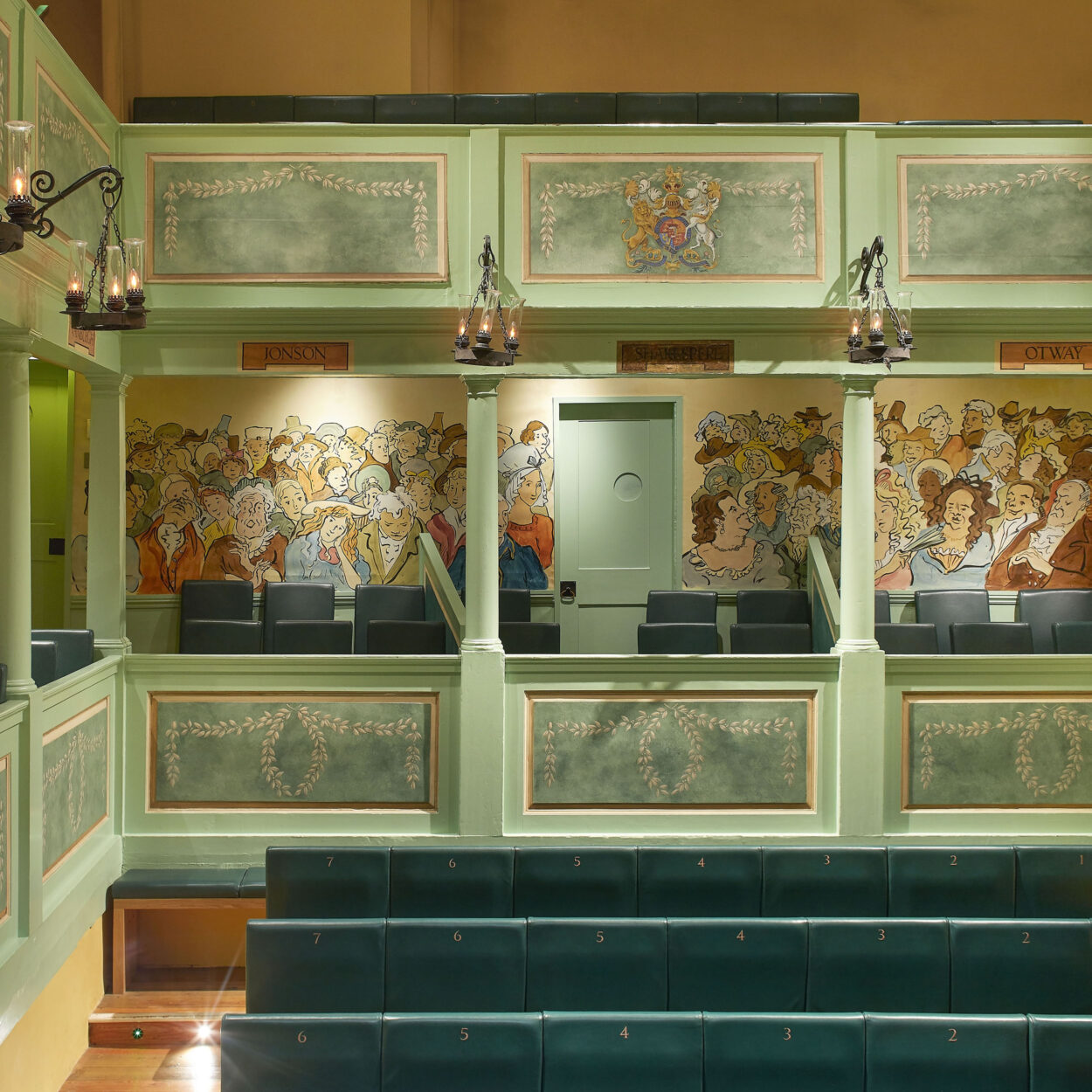
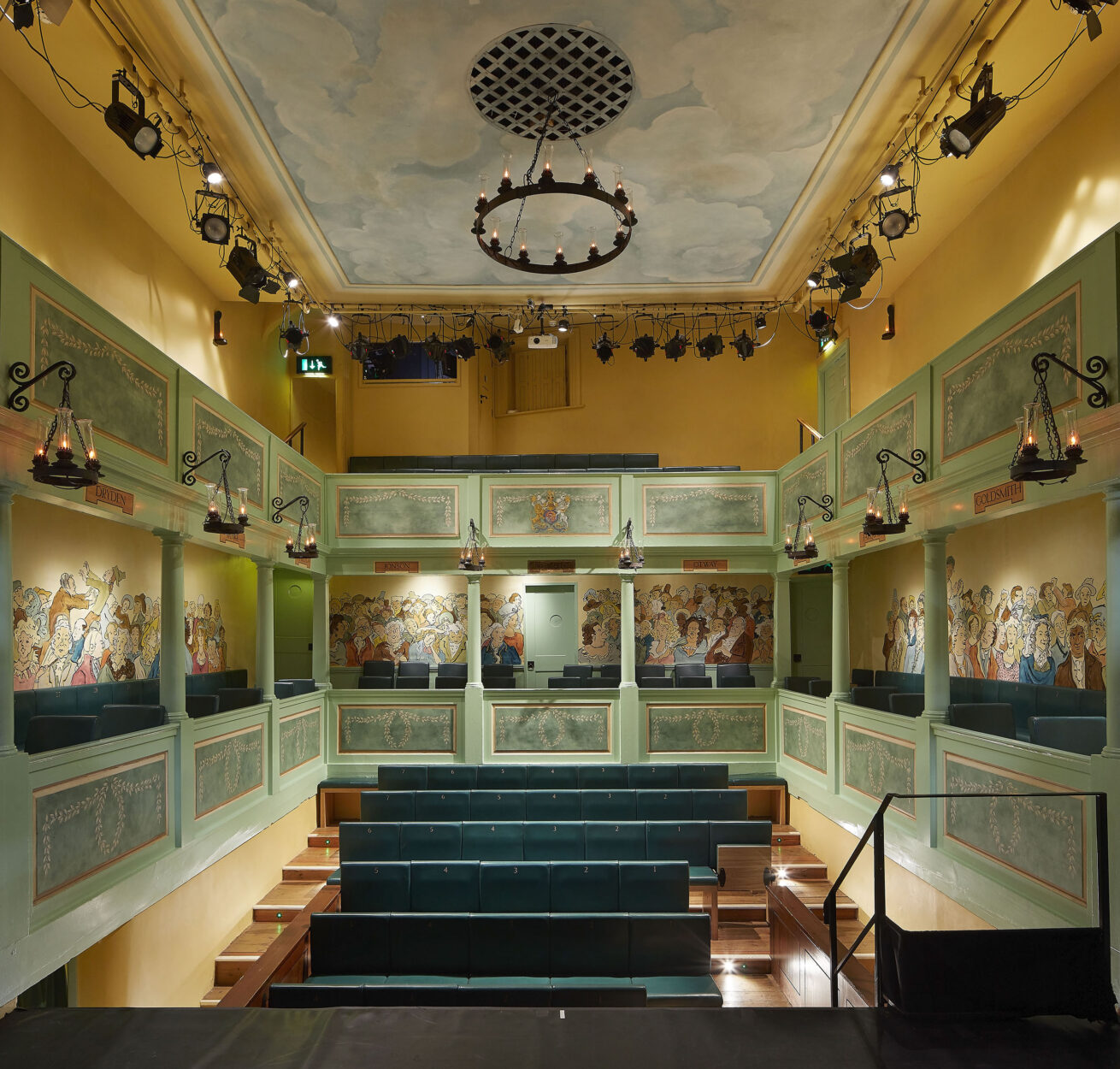
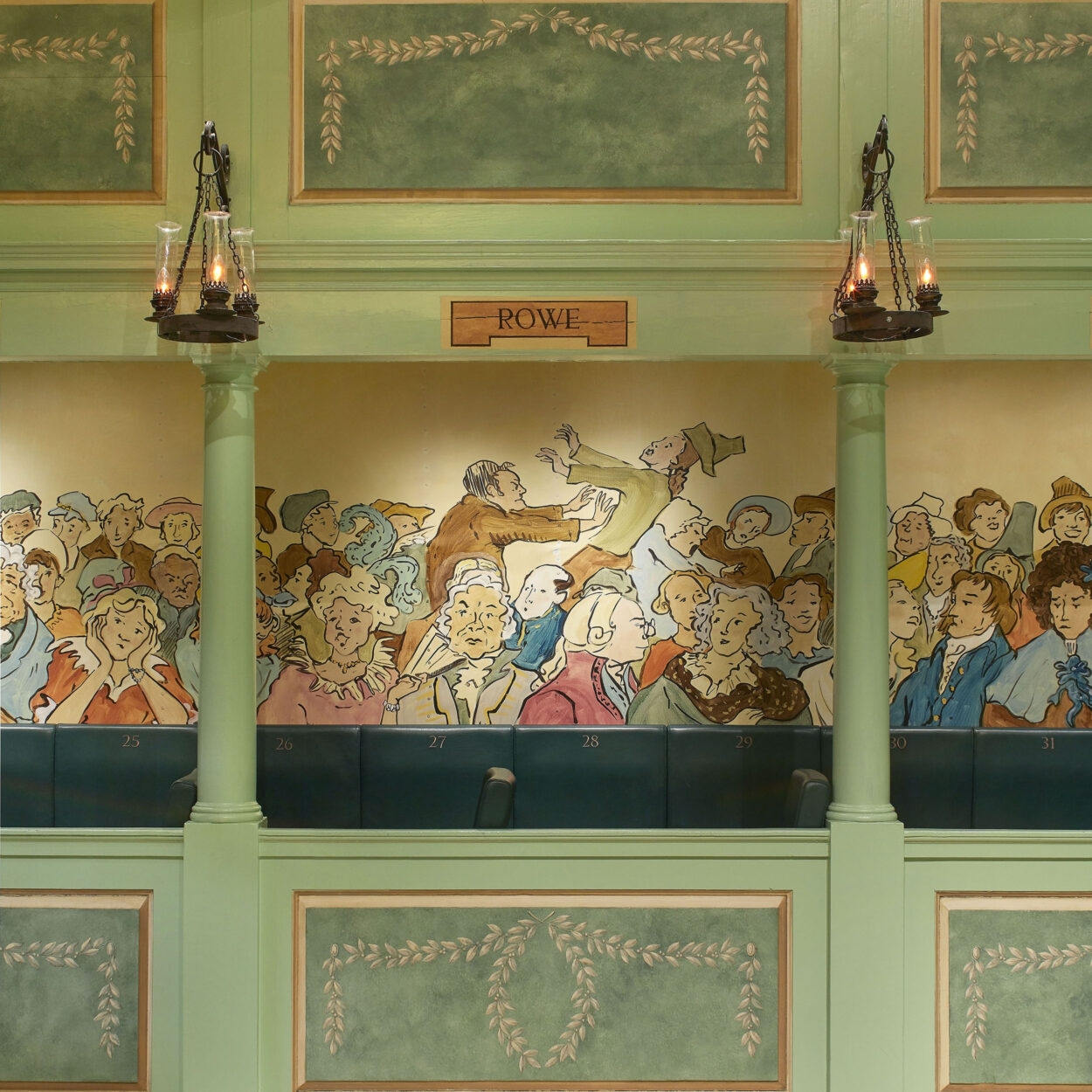
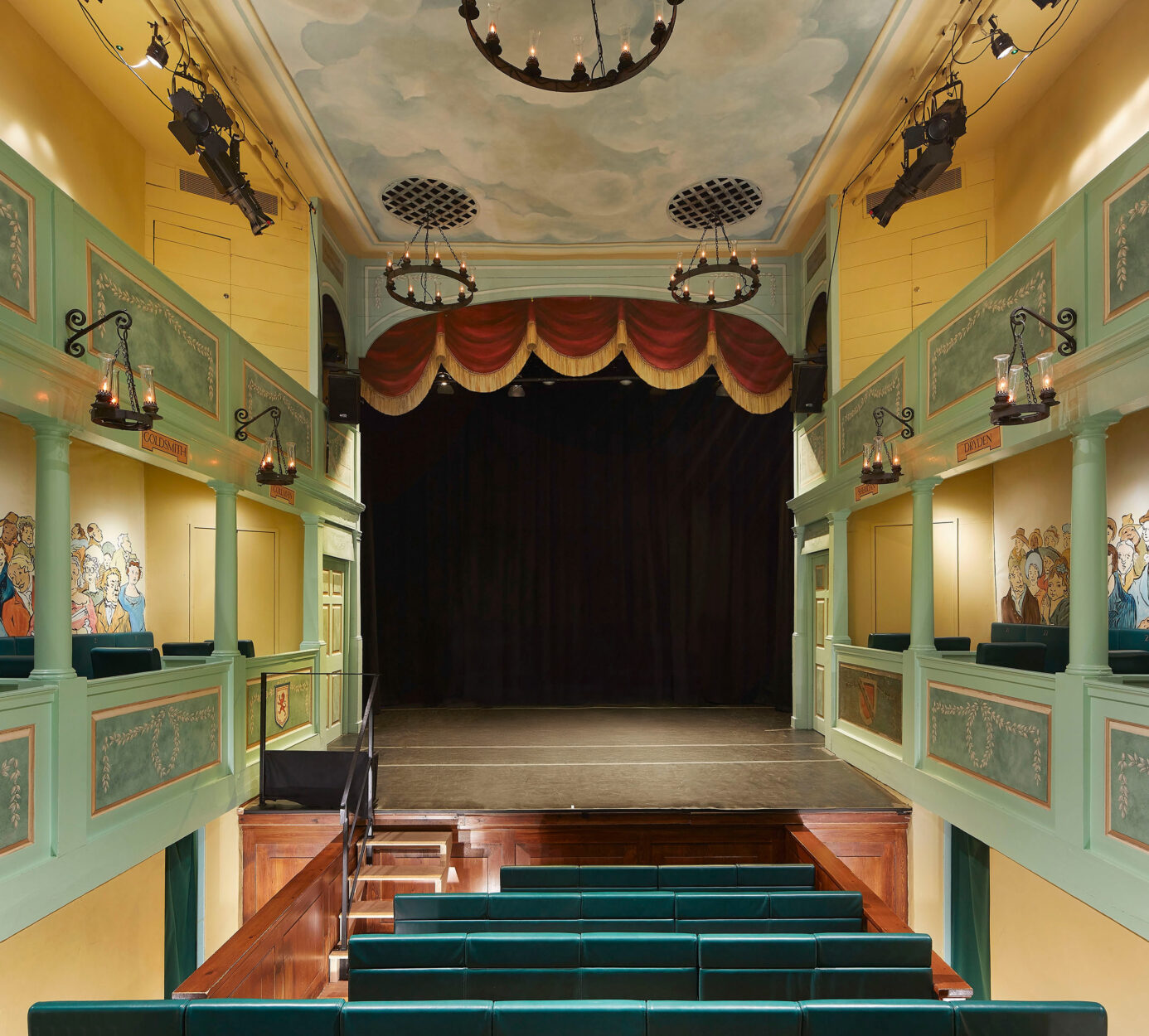
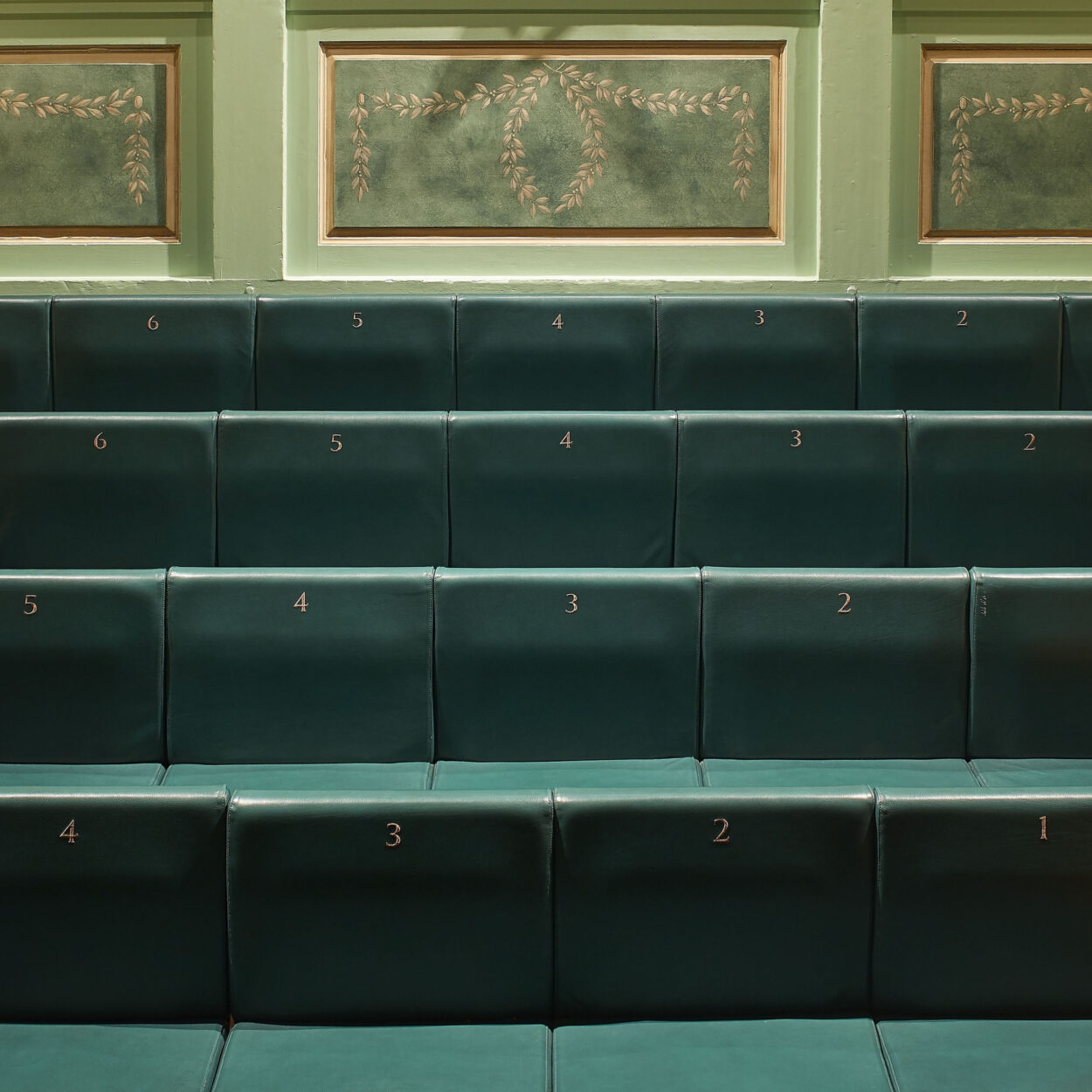
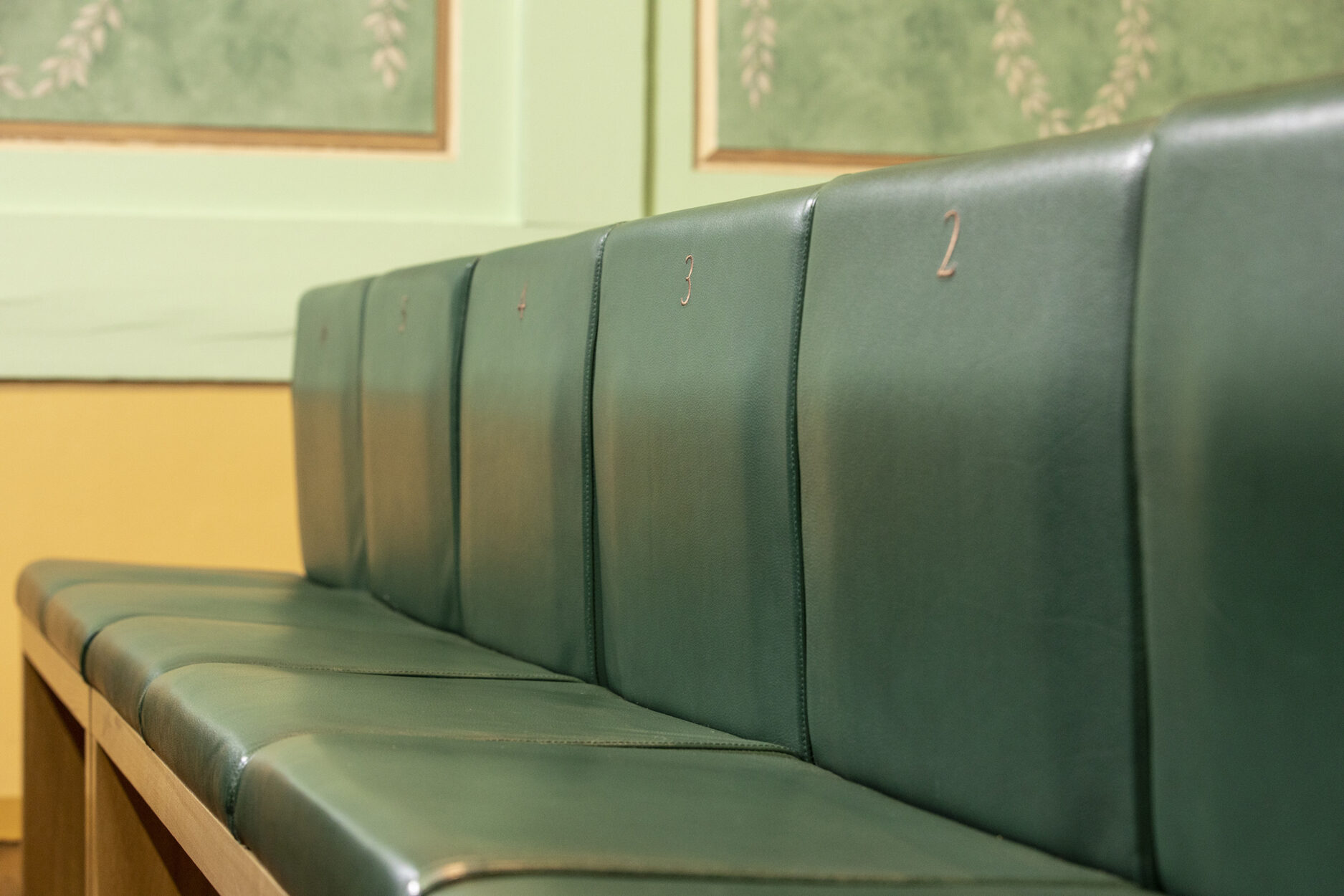
Richmond’s Grade 1 listed Theatre Royal opened in 1788 and is widely accepted as one of the finest preserved Georgian theatres in the country. It was originally developed within an existing stables or barn-like structure, attached to the former Quaker Meeting House. It is noted in the list description as a unique example of a small 18th century playhouse and has remained virtually unaltered despite being used as a wine cellar in the 19th century and an auctioneer’s furniture store in the first half of the 20th century. It was brought back into service as a performing venue after a refurbishment funded by enthusiasts in 1963.
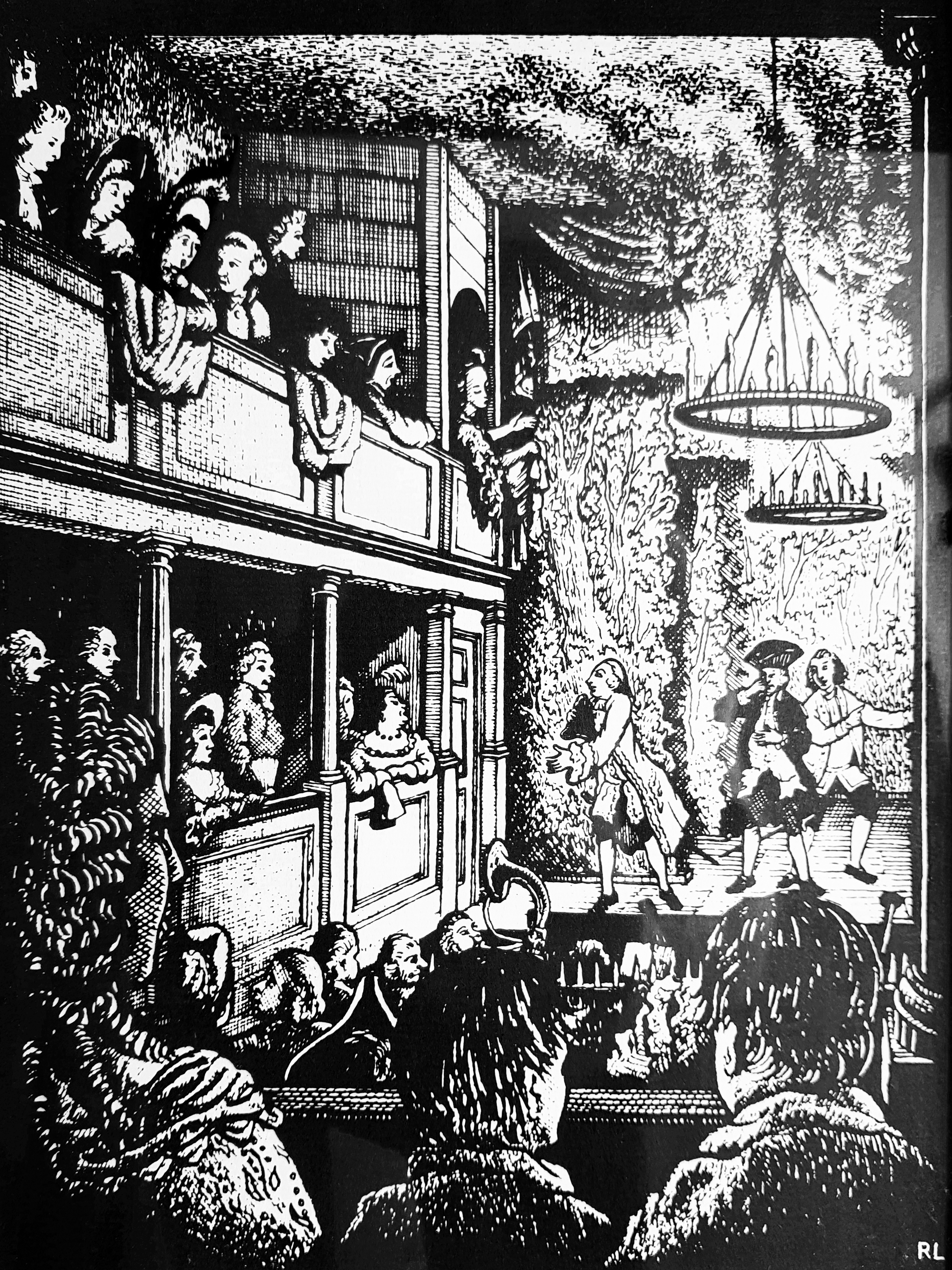
Illustration by Richard Leacroft
It is often said that Georgian people were significantly smaller than us and that their theatres were correspondingly characterised by tiny seating sizes. For modern audiences these are often considered too uncomfortable with knee-crunchingly tight leg room and poor lumbar support. The reality is that, in Georgian times, small or not, apart from the posh box seats, many would have been standing. It would have been a bawdy ‘free for all’ with what was happening on stage quite possibly incidental.
Despite having a core following of loyal theatre goers, there were previously many seating positions that were rarely sold for reasons of cramped conditions, difficulty in passing across others in a row, or too poor a view of the stage. This greatly affected the ability of the theatre organisation to remain sustainable.

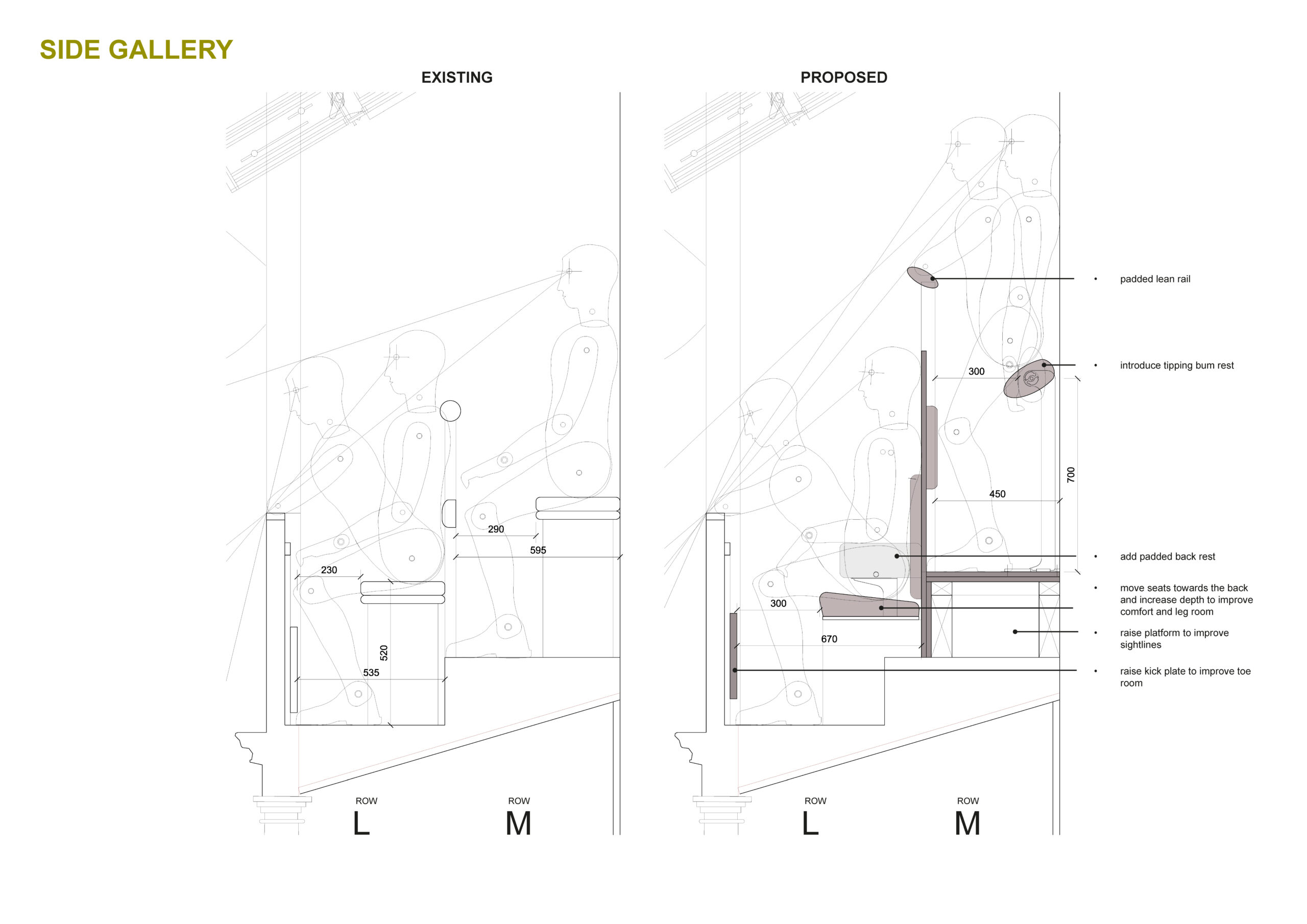
The new layout and tiering has carefully reconsidered the ergonomics of all seating types. The modifications, albeit minor, significantly enhance the audience experience. Sometimes, a few millimetres here or there in terms of toe space or raised seating position have unlocked the potential needed to transform legroom, sightlines and comfort. These improvements create conditions that increase the appeal of the theatre’s programme to a wider audience, encouraging repeat visits and increase revenue making opportunities.
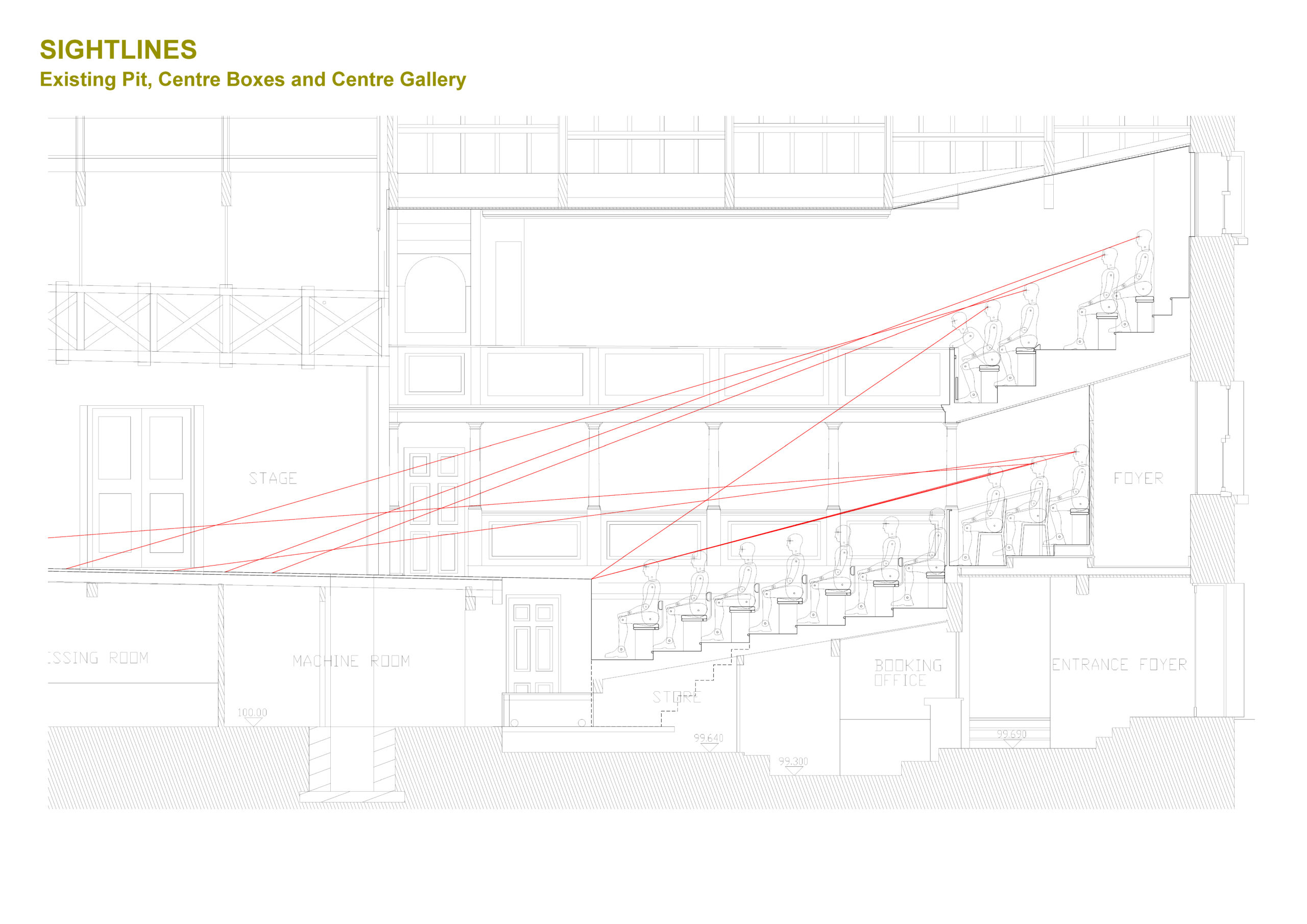
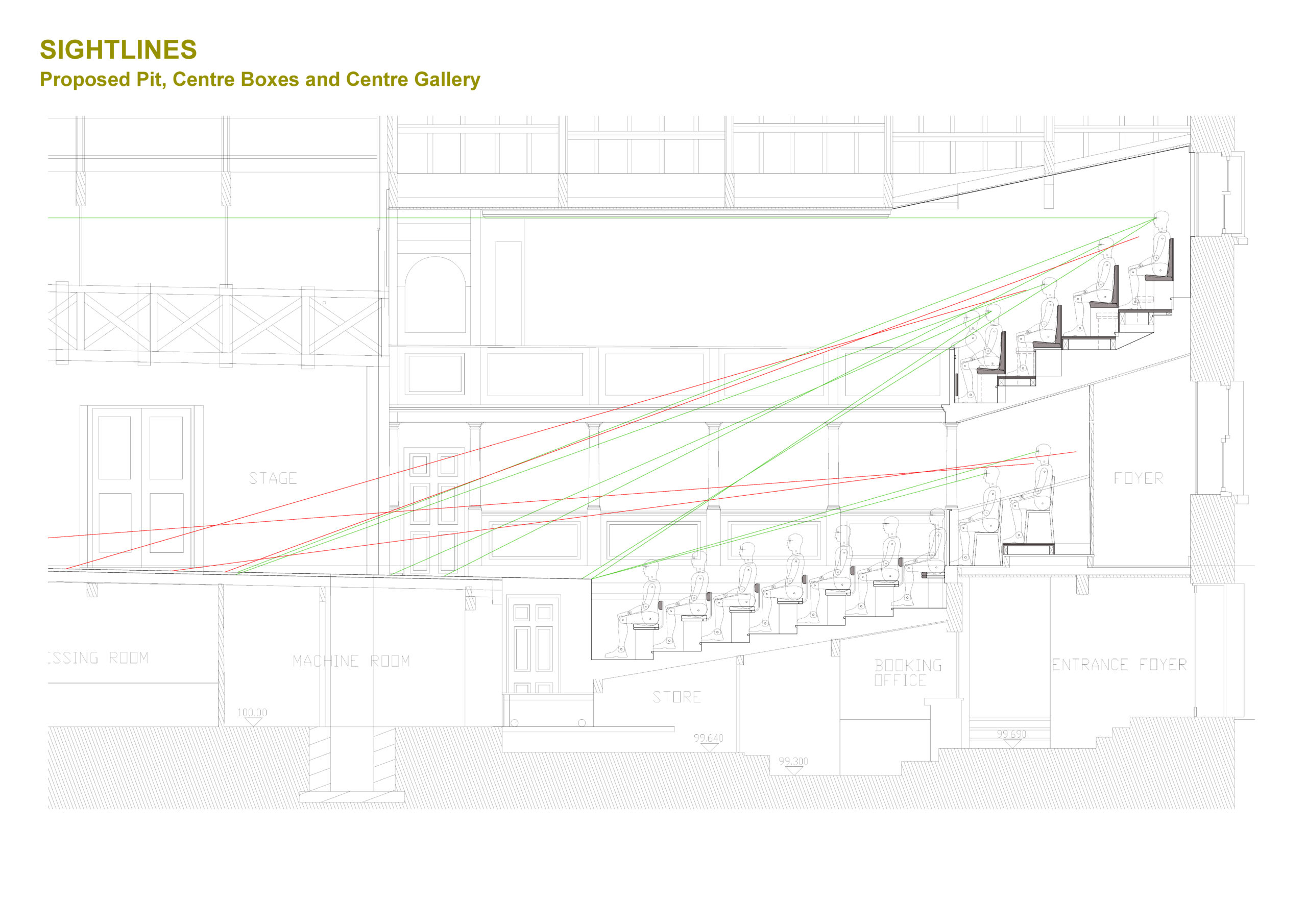
Our first action was to create a code for valuing every seating position, scoring each on a traffic light of good to poor ratings, according to whether it had an acceptable sightline, legroom and overall comfort. This research was cross referenced with the current pricing bands to then also establish where the opportunities might be for increasing price point. The next exercise was to review the specific ergonomics of each seating type and location and to consider how we might be able to make modifications, however minor, to significantly enhance the audience experience.
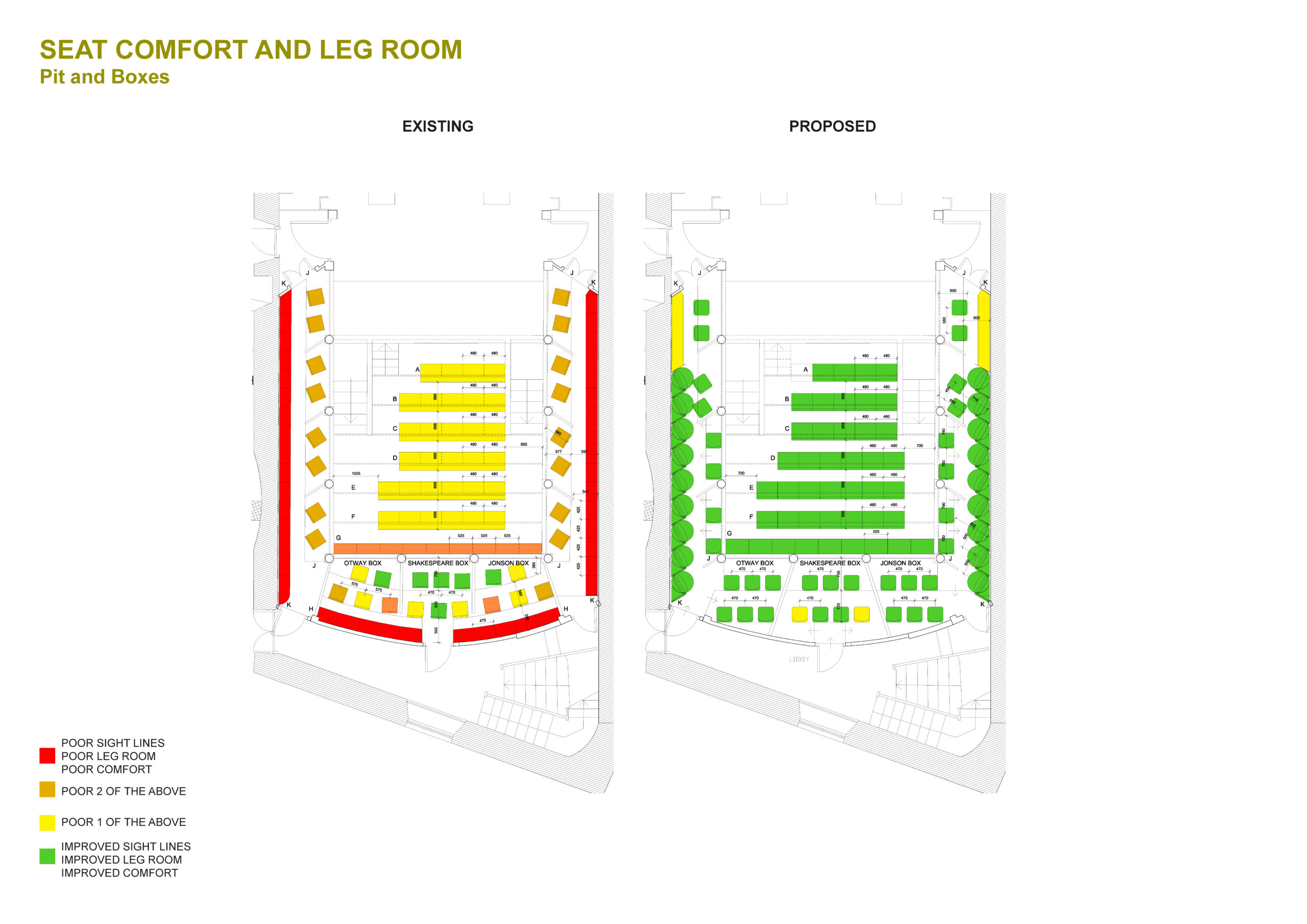
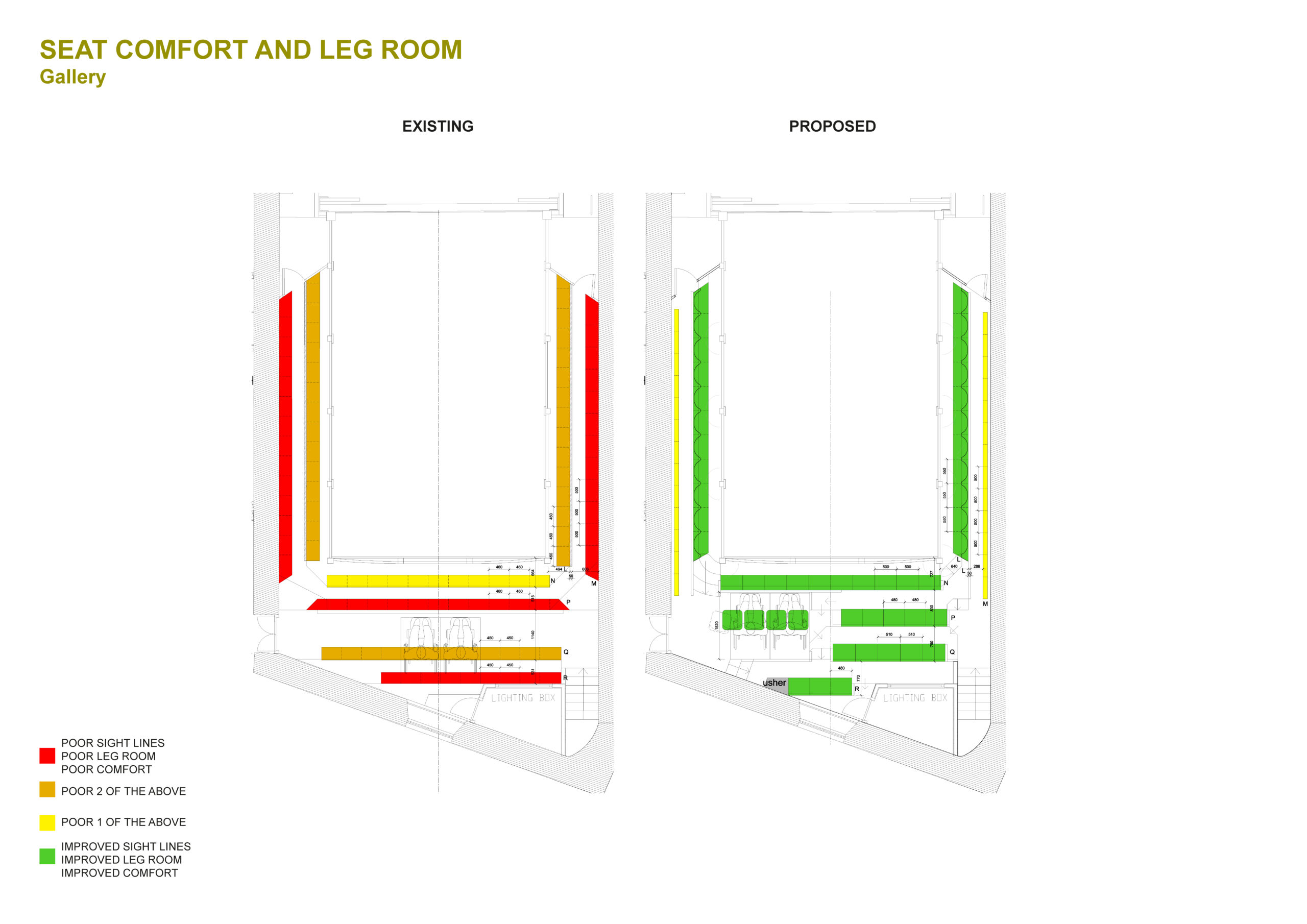
Finally, we reviewed these adjustments in the context of heritage significance, assessing their impact on the heritage fabric. In nearly all cases the proposals would not remove original 1788 fabric or would simply adjust less significant, more recent 1963 or 2005 interventions. The proposals are mitigated by sensitively sitting over top of the original historic building fabric or by being of a light touch. These changes are therefore all reversible and involve very little intrusive work to any of the existing materials in the auditorium whether of historic importance or heritage value. Provision was also been made for areas of the auditorium to be striped back to a more authentic Georgian theatre experience for ‘Museum Days’ and for historic and educational tours.
More Selected WorkCulture + CommunityHeritage
-
 Britten Pears Arts
Britten Pears Arts
-
 Young V&A
Young V&A
-
 Carlisle Gallery
Carlisle Gallery
-
 Wonderlab
Wonderlab
-
 Tullie House Museum
Tullie House Museum
-
 York Mansion House
York Mansion House
-
 Ucheldre
Ucheldre
-
 Cowley Manor Pavilion
Cowley Manor Pavilion
-
 The Alice Hawthorn
The Alice Hawthorn
-
 ArtsEd Schools
ArtsEd Schools
-
 Cranmer Road
Cranmer Road
-
 Penfold
Penfold
-
 Penrose Street
Penrose Street
-
 York Theatre Royal
York Theatre Royal
-
 Constable Burton
Constable Burton
-
 St George’s Hall
St George’s Hall
-
 Wyeside Arts Centre
Wyeside Arts Centre
-
 C-Side
C-Side
-
 Gibraltar Tower
Gibraltar Tower
-
 Bird Boxes
Bird Boxes
-
 Sadler’s Wells
Sadler’s Wells
-
 Borough Theatre
Borough Theatre
-
 CPT
CPTCPT
-
 The British Library
The British Library
-
 Charlotte Sharman
Charlotte Sharman
-
 Wearhead Primary
Wearhead Primary
-
 Hockerill College
Hockerill College
-
 Aysgarth School
Aysgarth School
-
 Equa
EquaEqua
-
 Christopher’s
Christopher’s
-
 Ming
MingMing
-
 Strada
Strada
-
 Cowley Manor
Cowley Manor
-
 Orchard Spa
Orchard Spa
-
 Arbor Hyde Park
Arbor Hyde Park
-
 Lansdowne Club
Lansdowne Club
-
 Calverley Old Hall
Calverley Old Hall
-
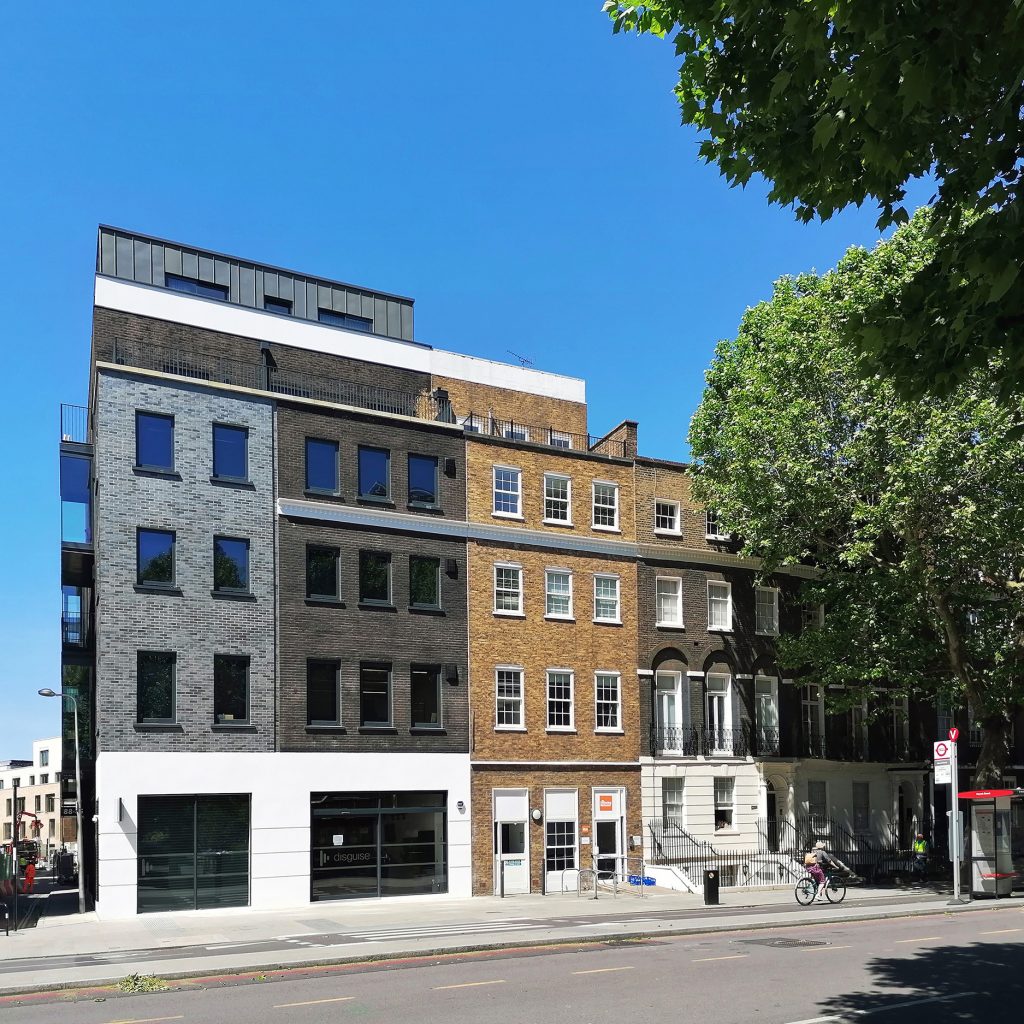 Blackfriars Road
Blackfriars Road
-
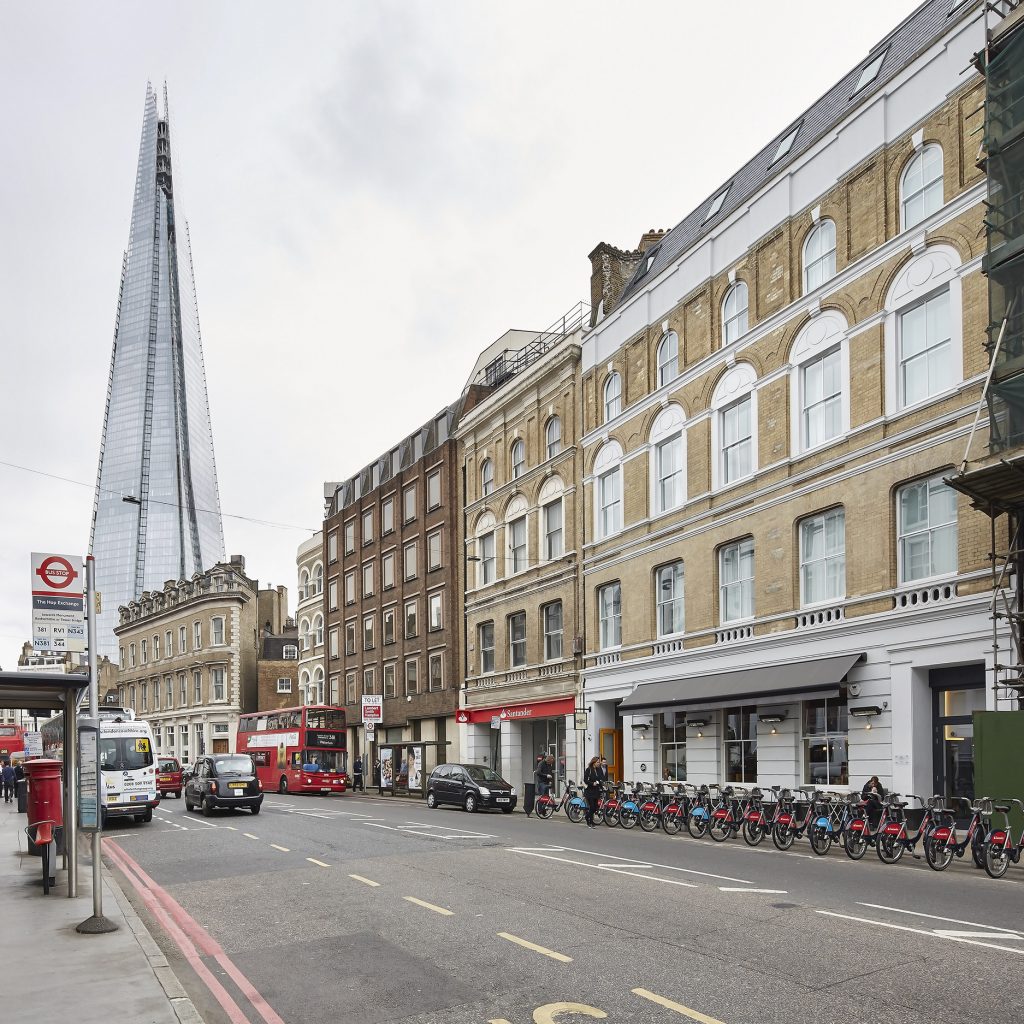 Southwark Street
Southwark Street
-
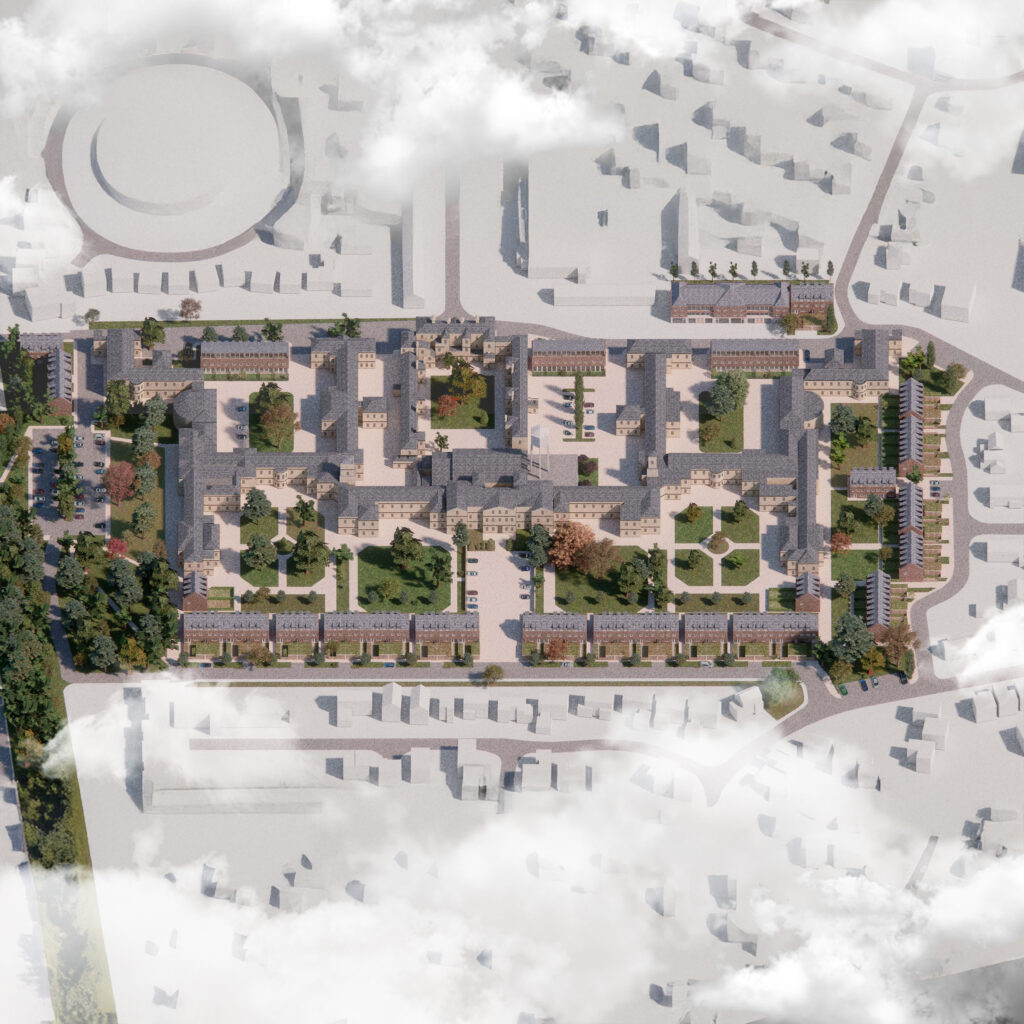 St John’s
St John’s
-
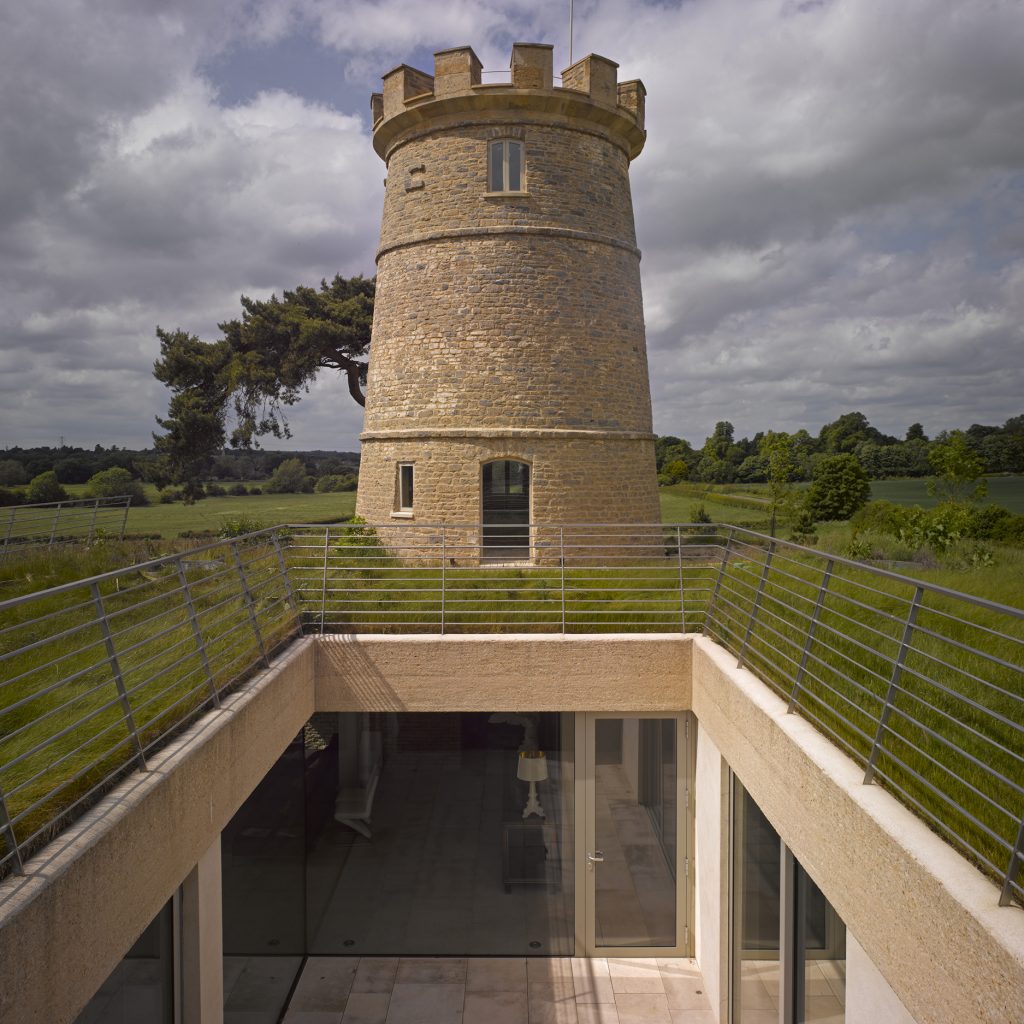 Round Tower
Round Tower
-
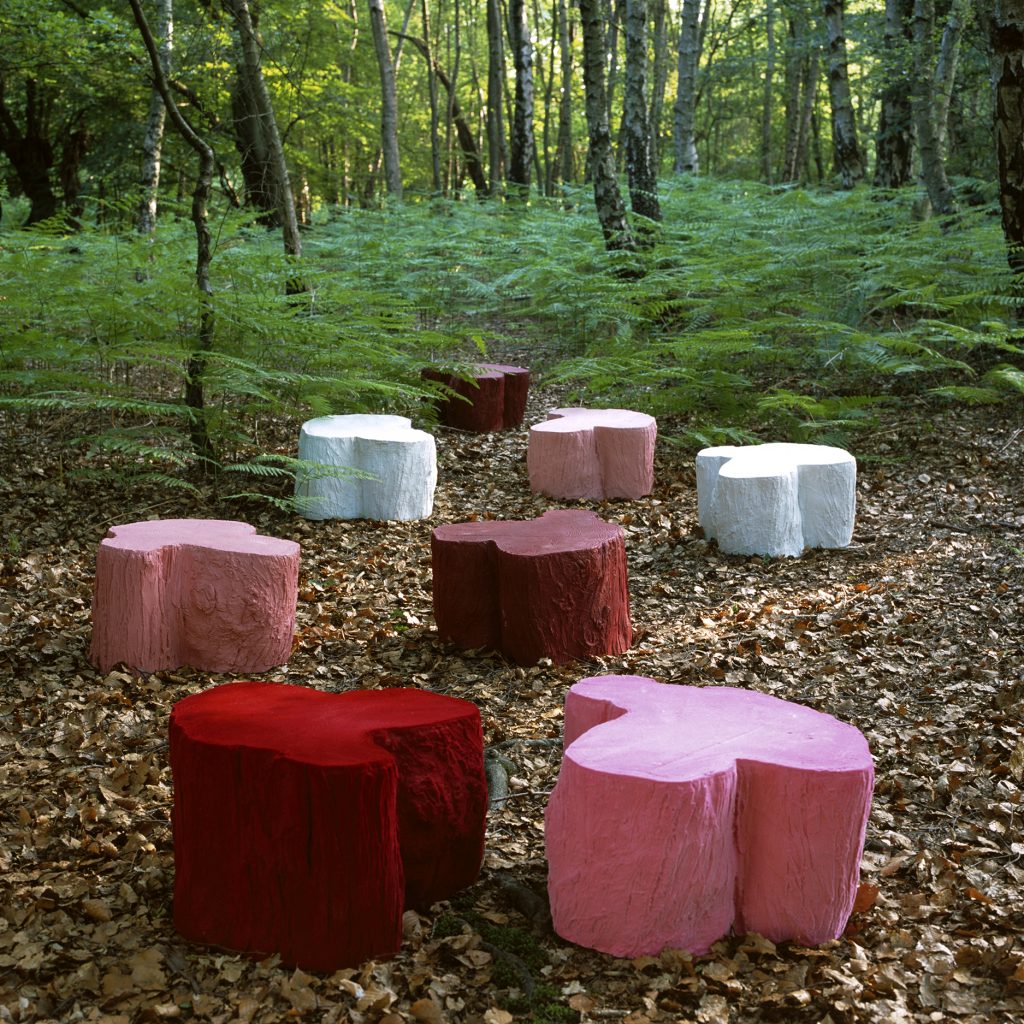 Tree Trunk
Tree Trunk
-
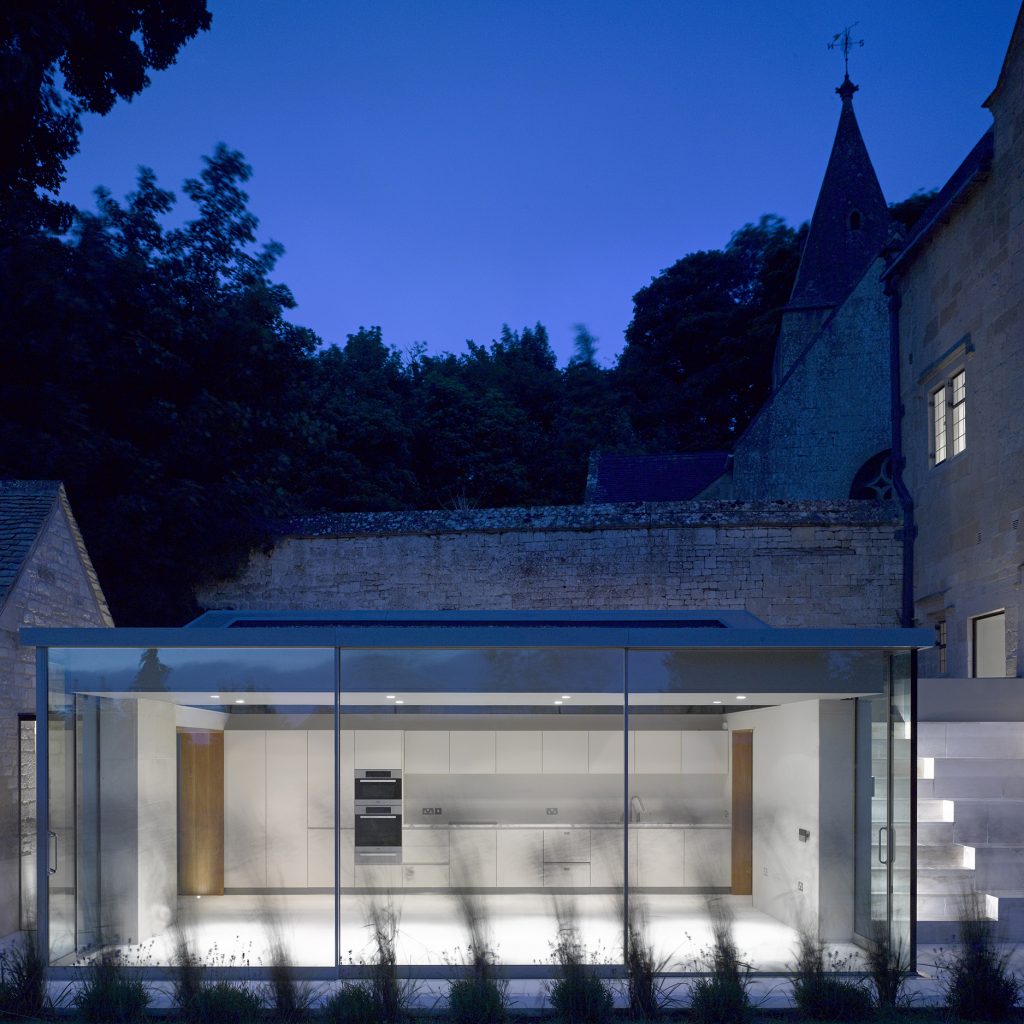 Home Farm
Home Farm
-
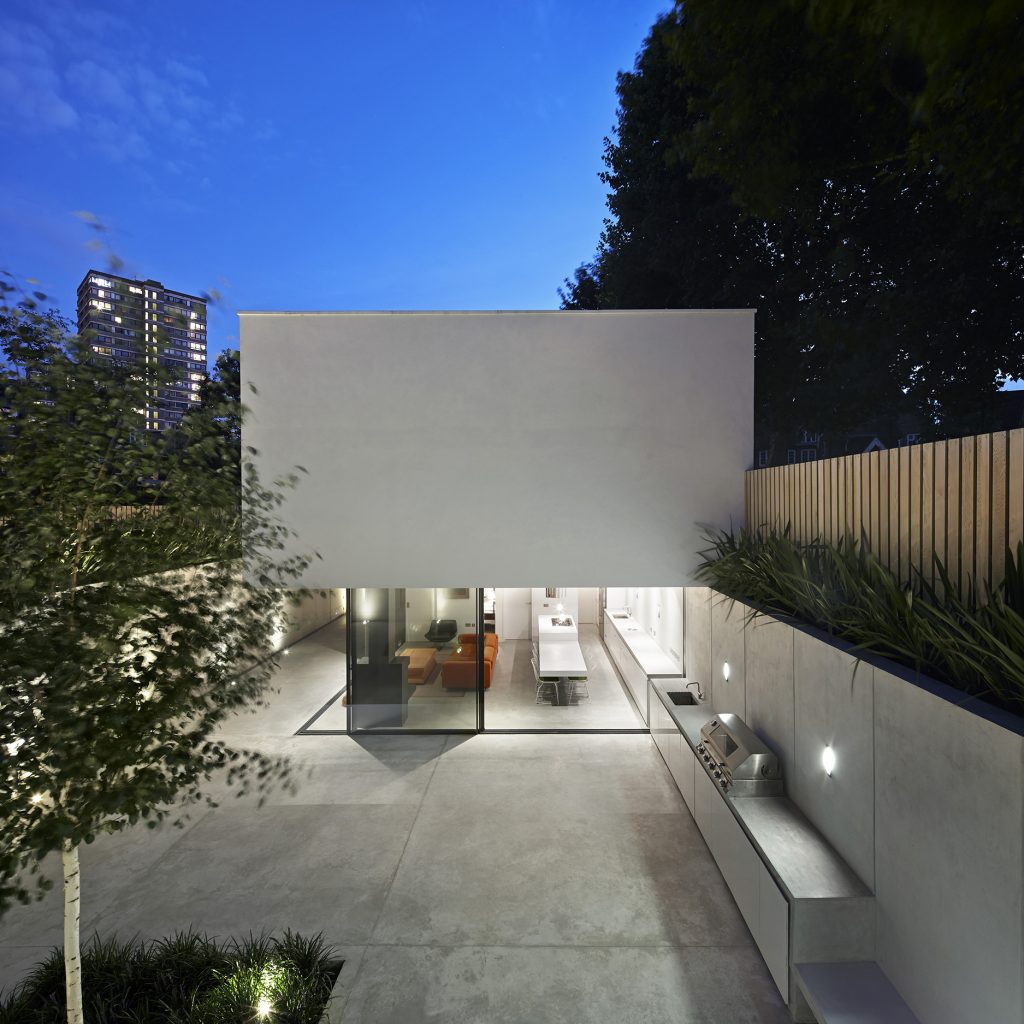 Garden House
Garden House

