Carlisle Gallery

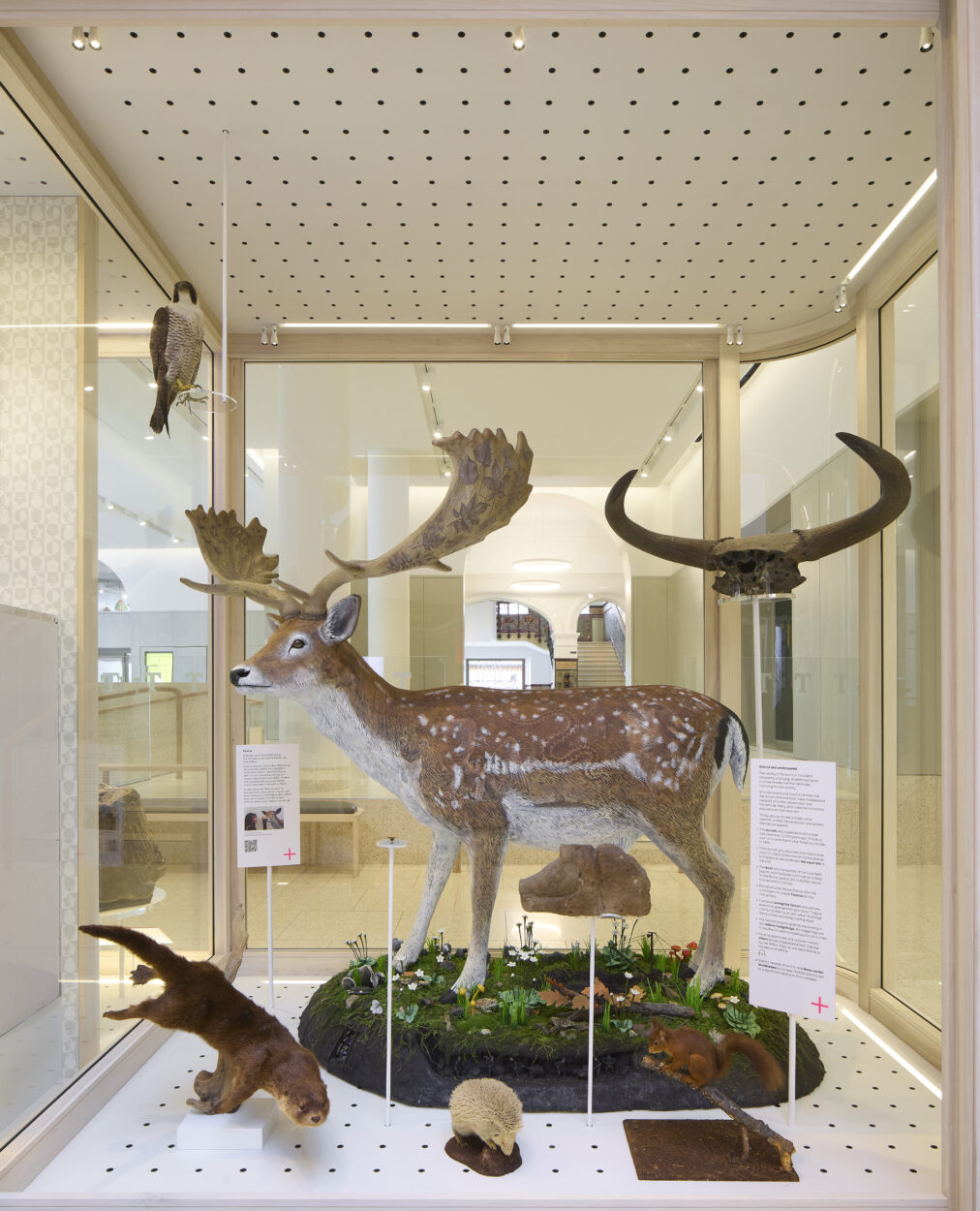
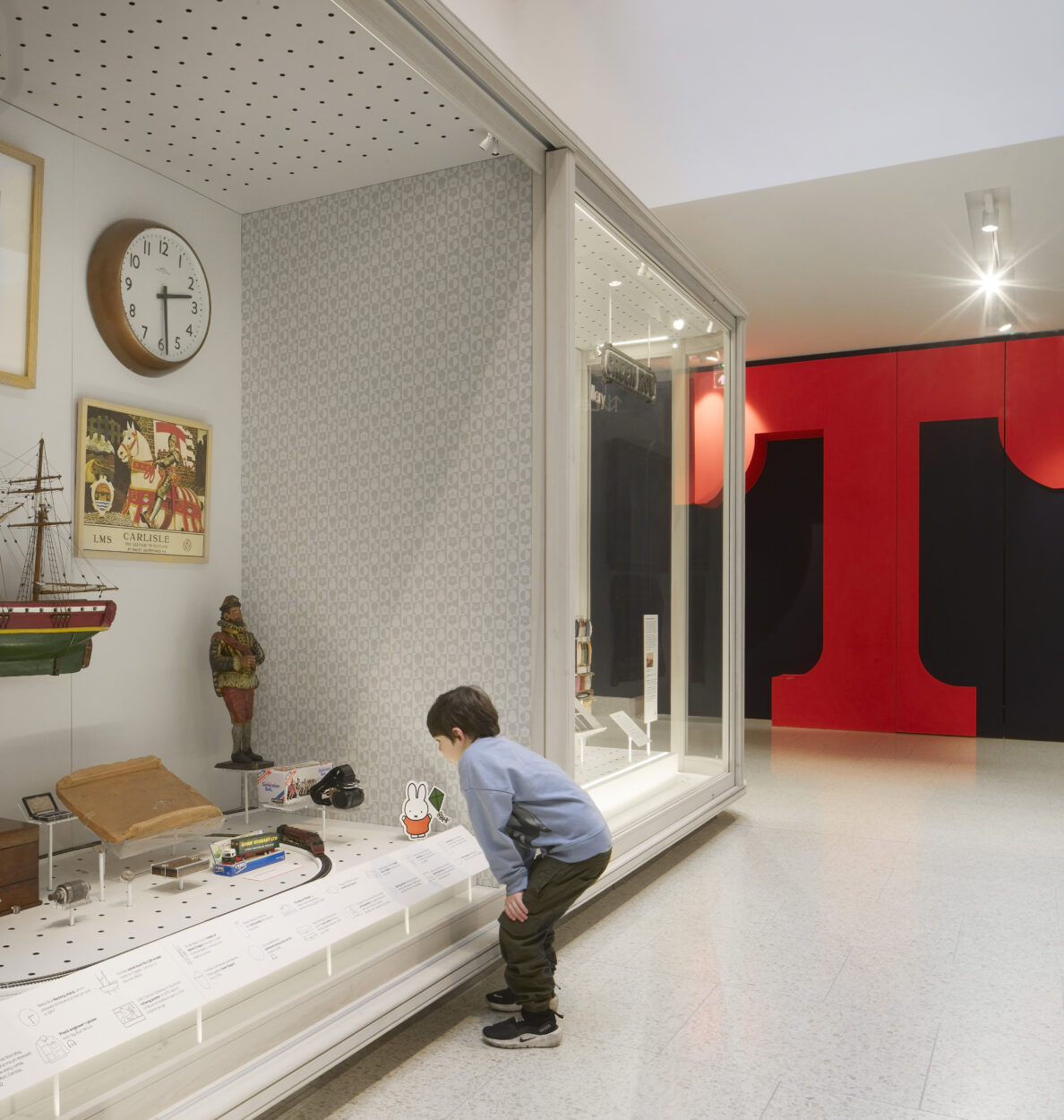
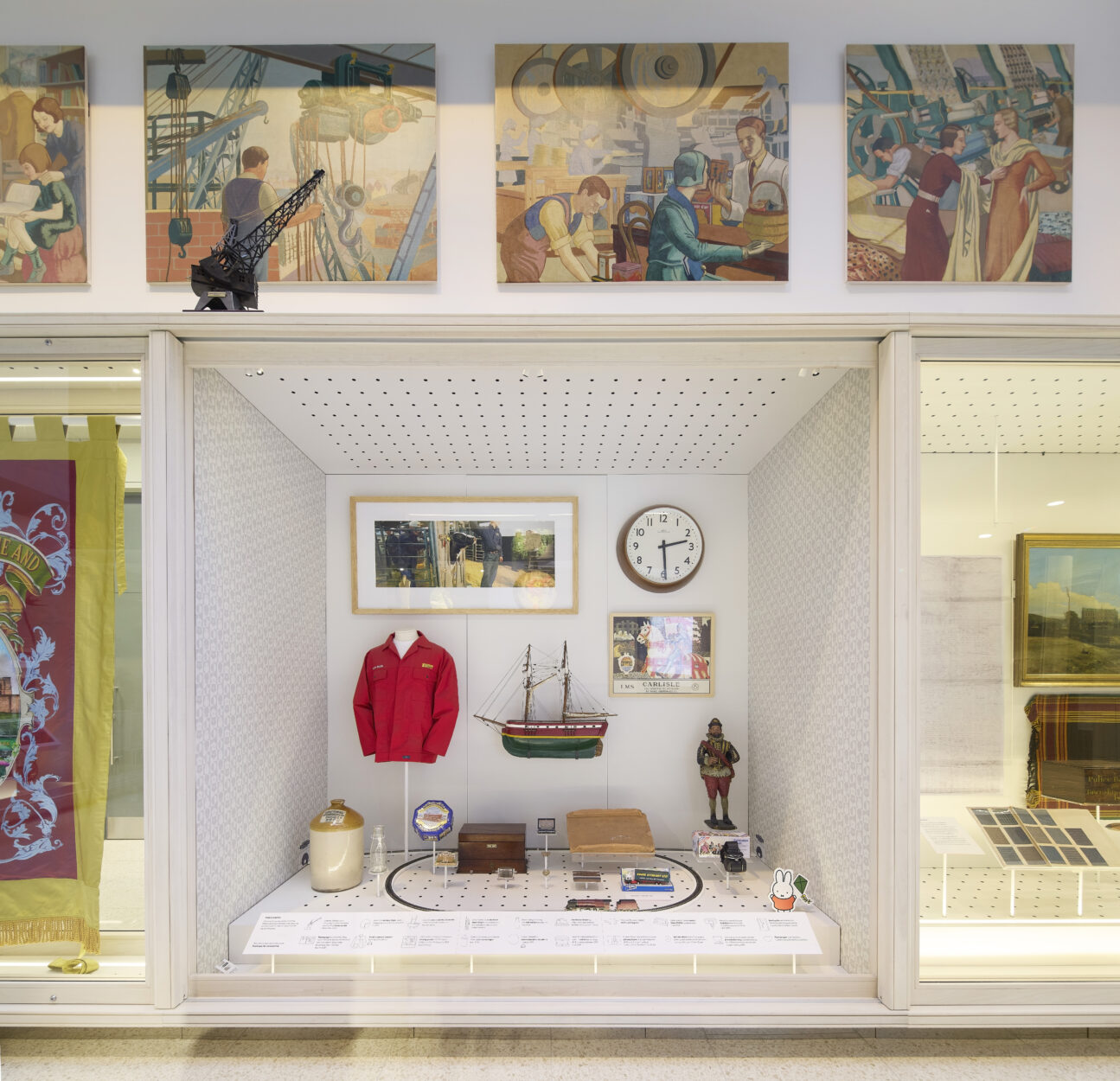
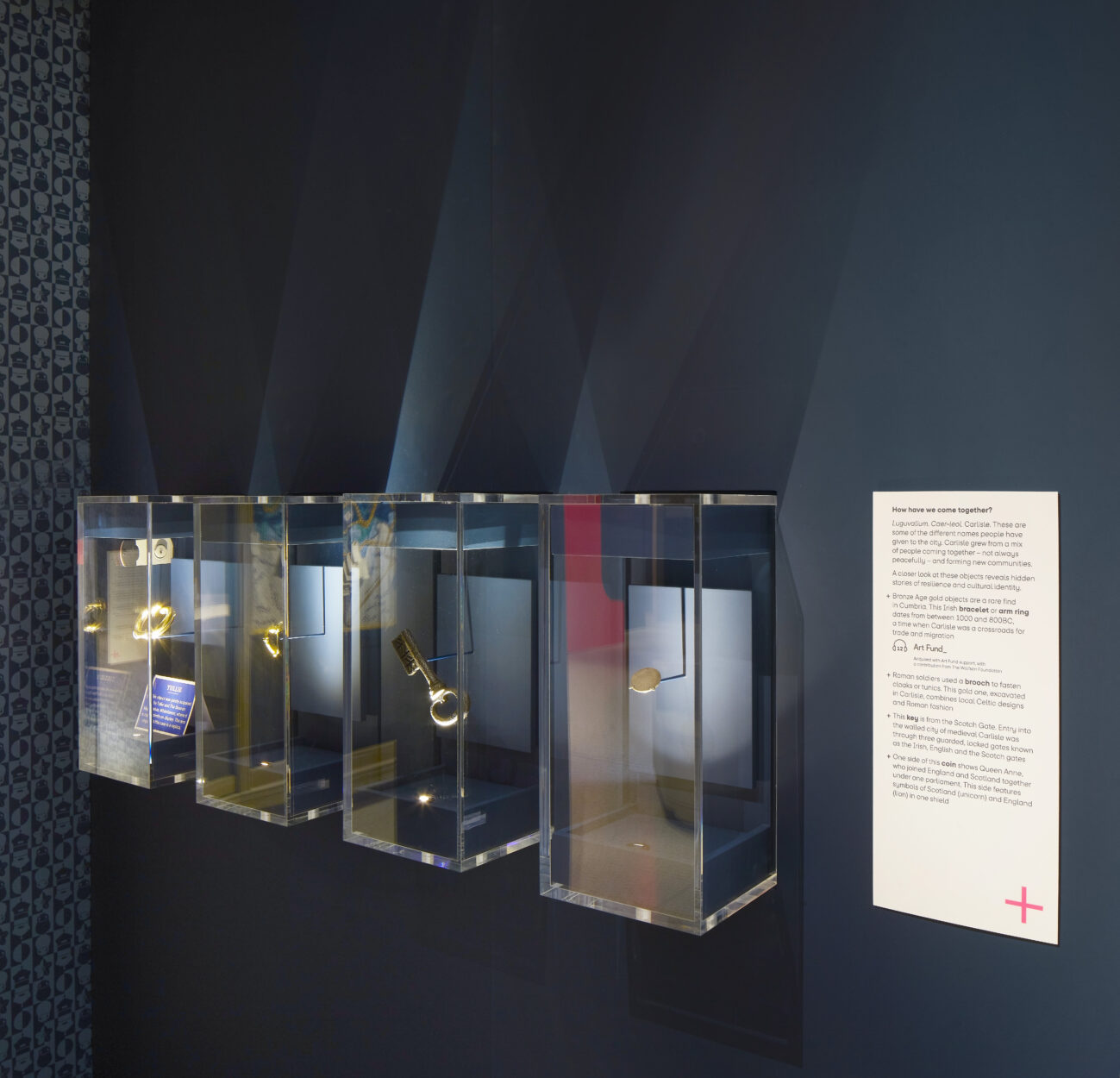
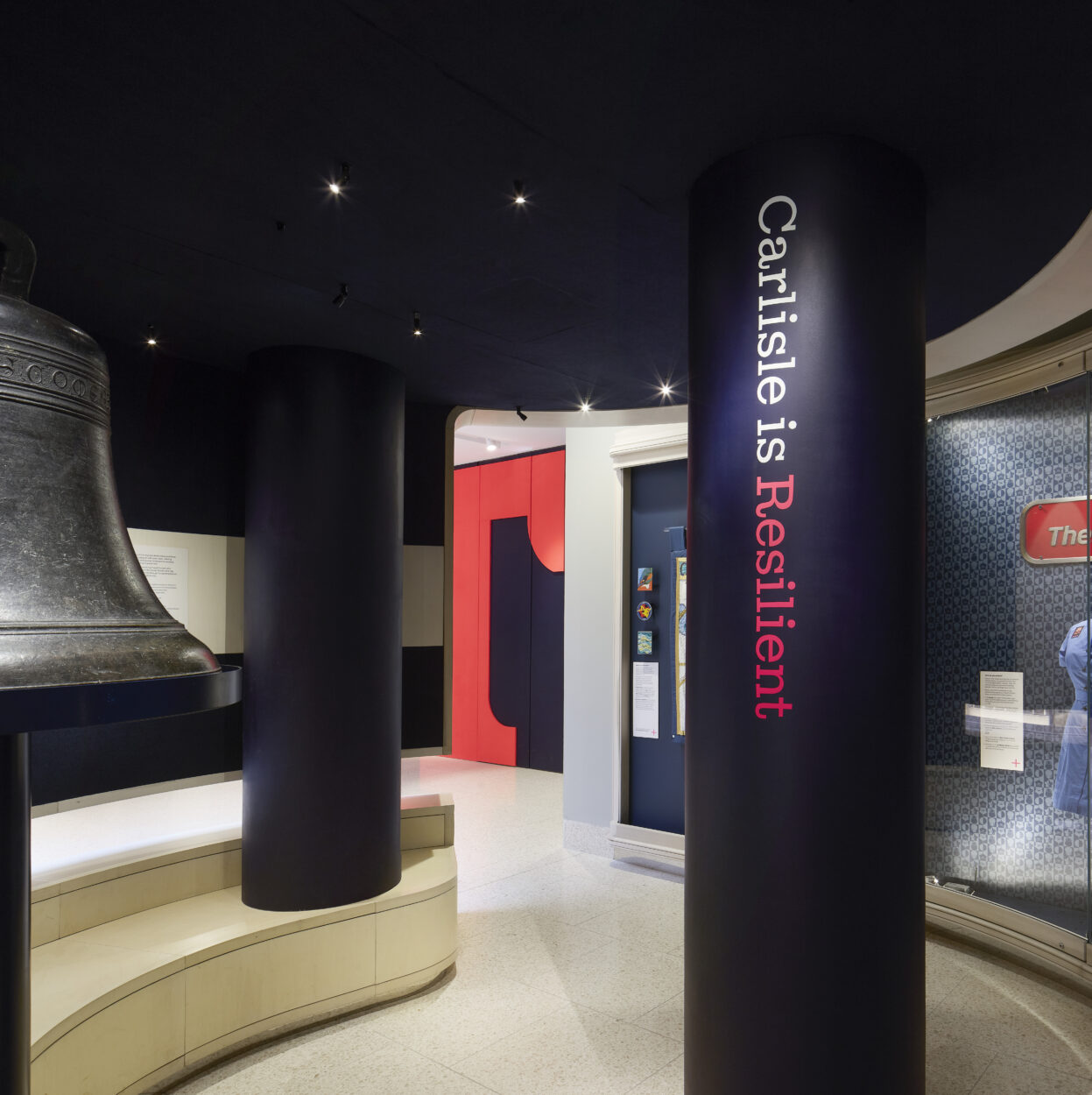
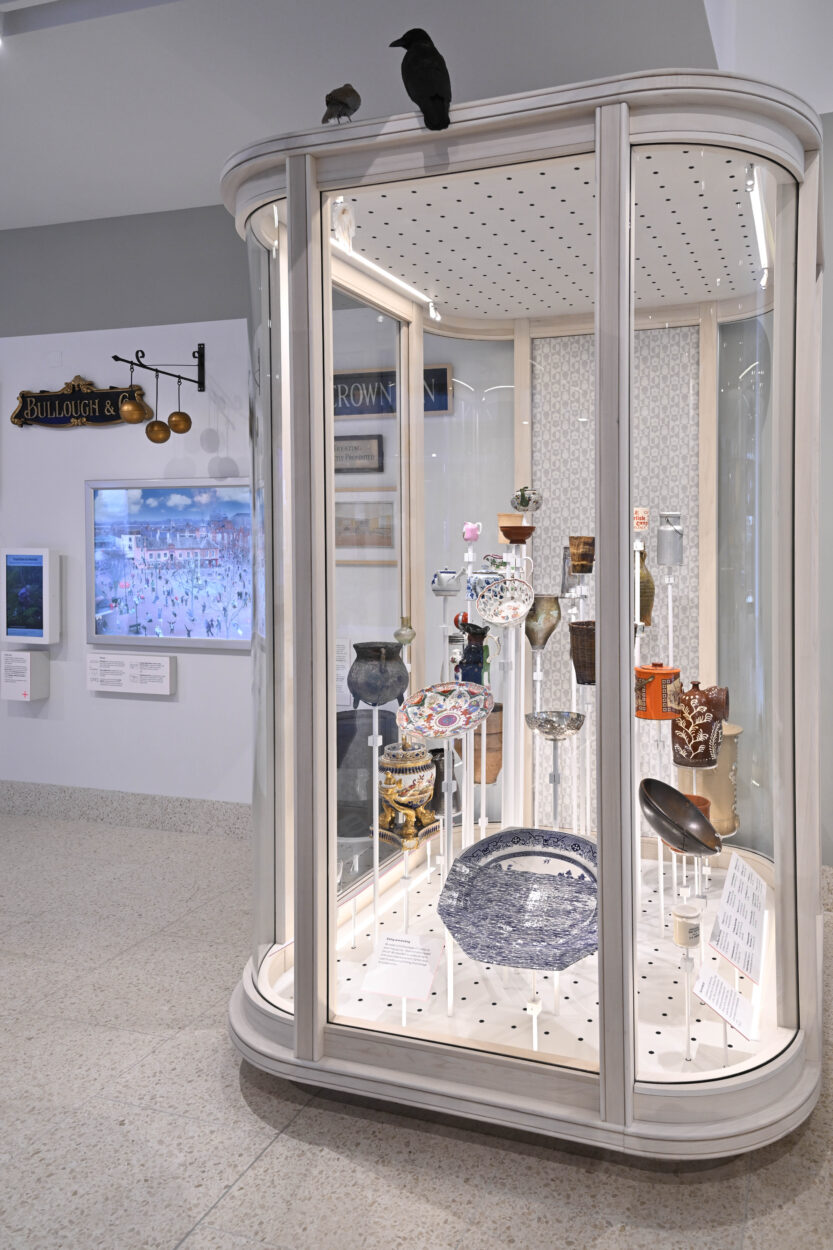
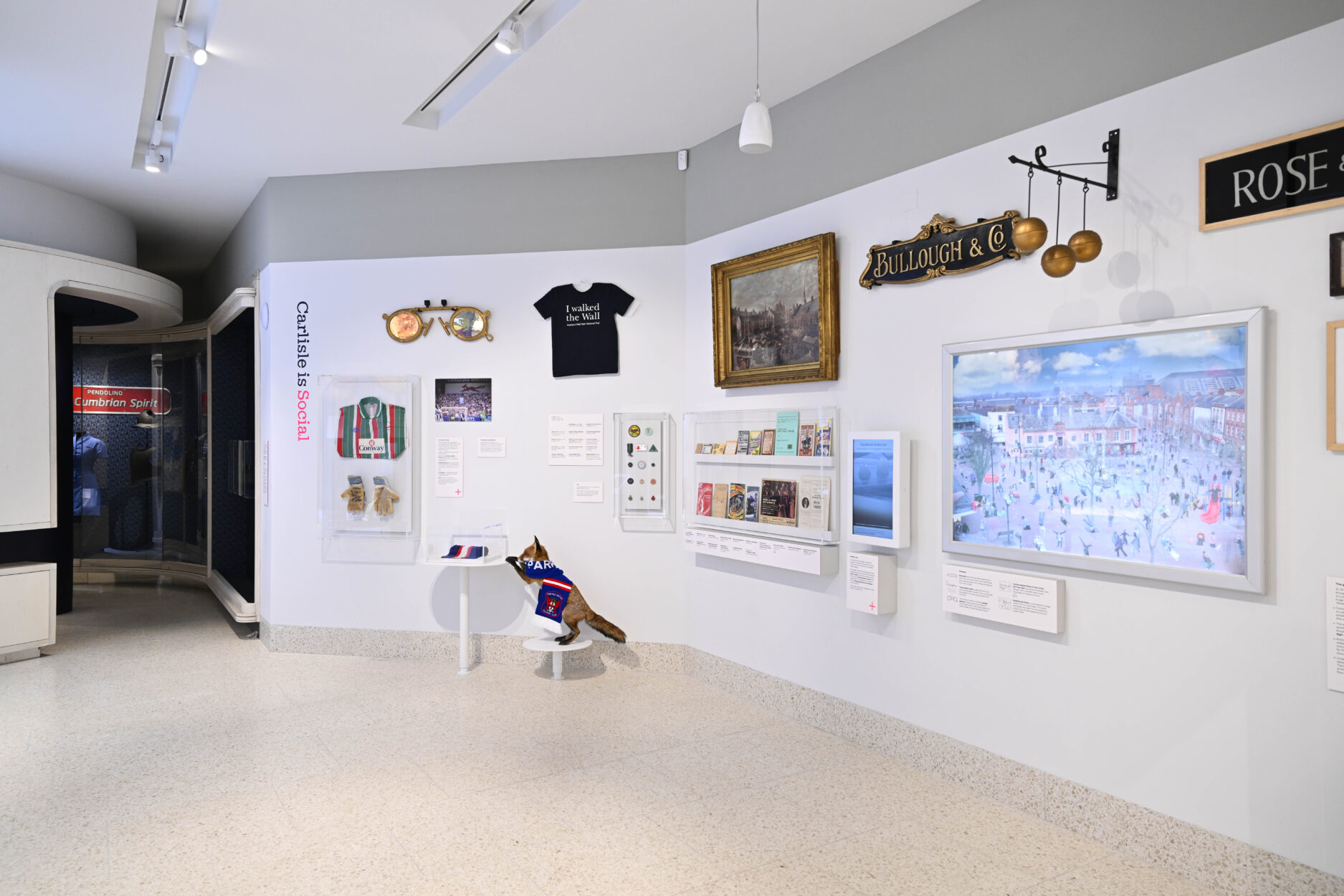
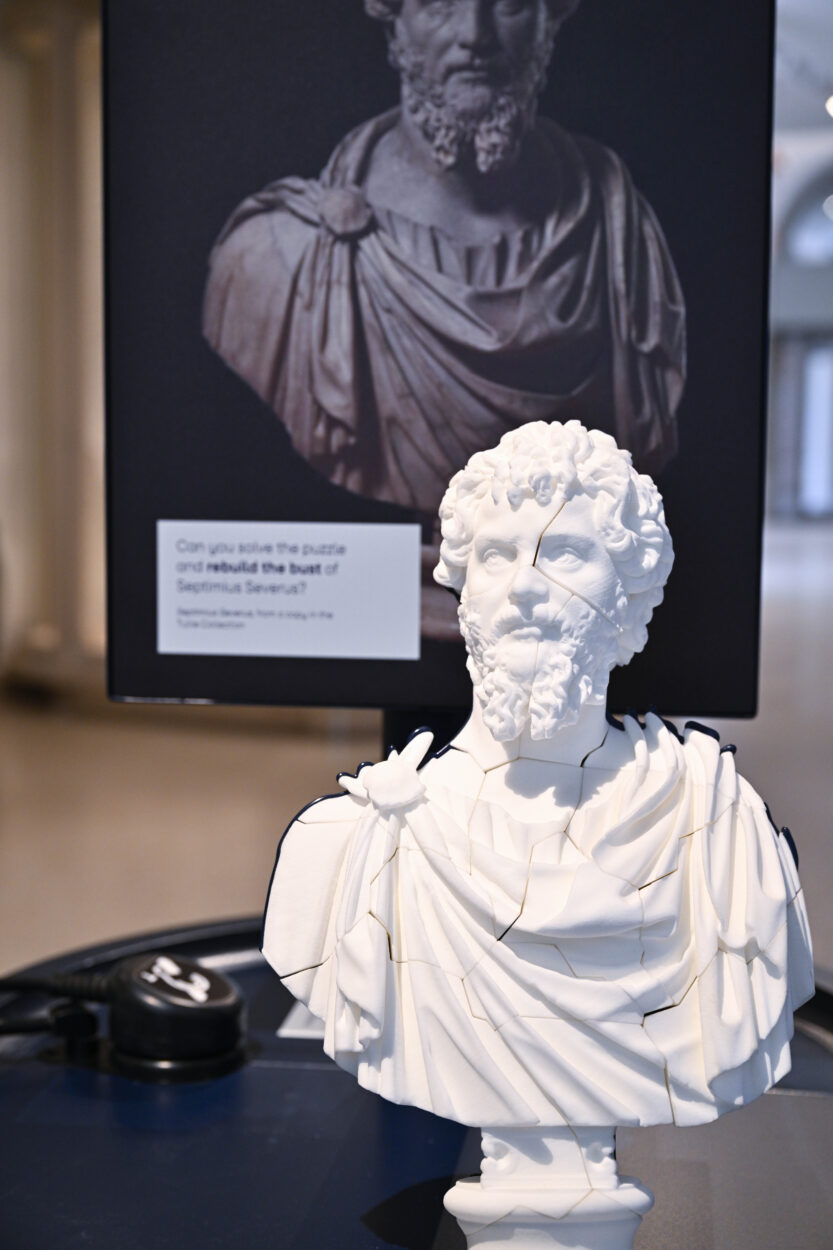
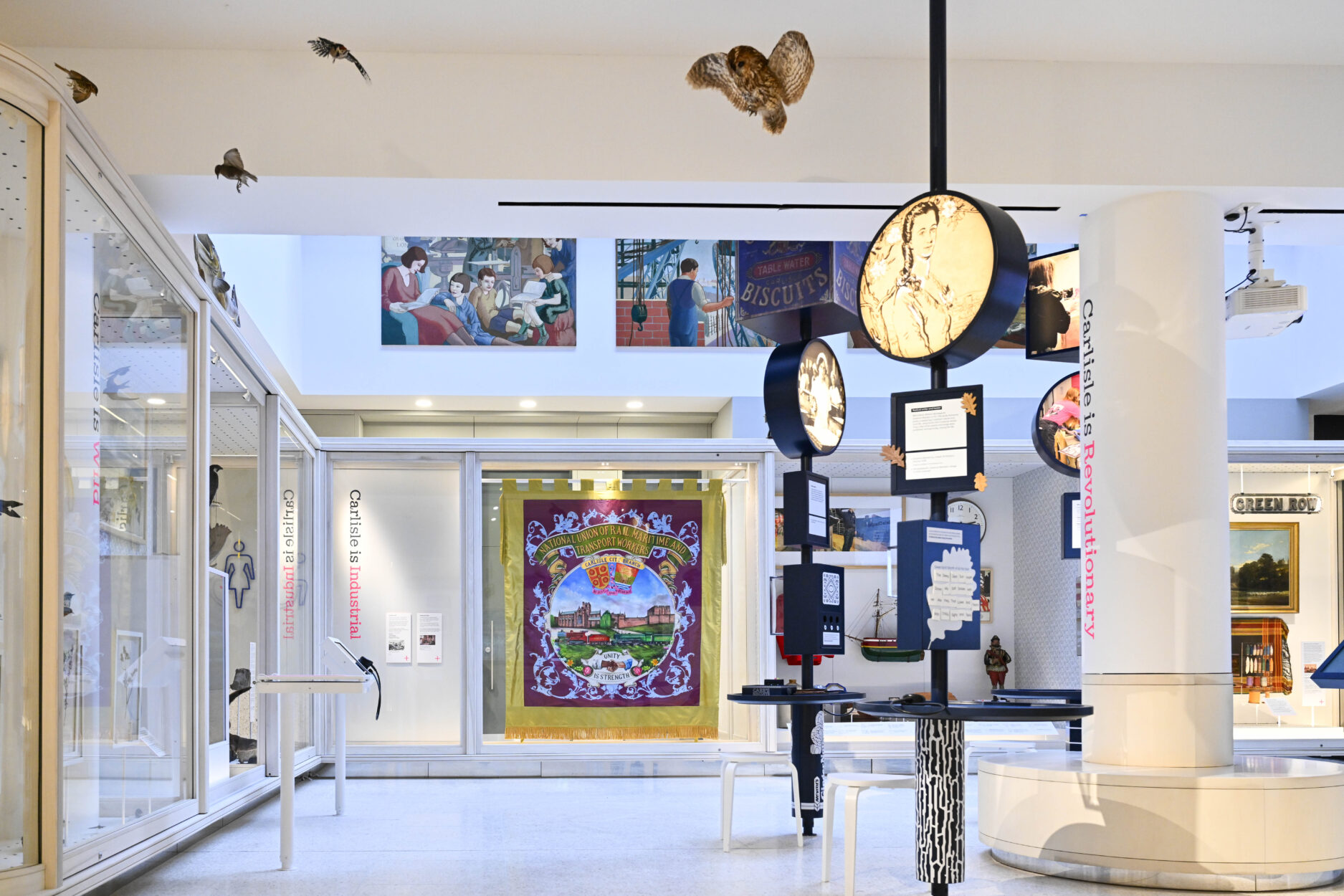
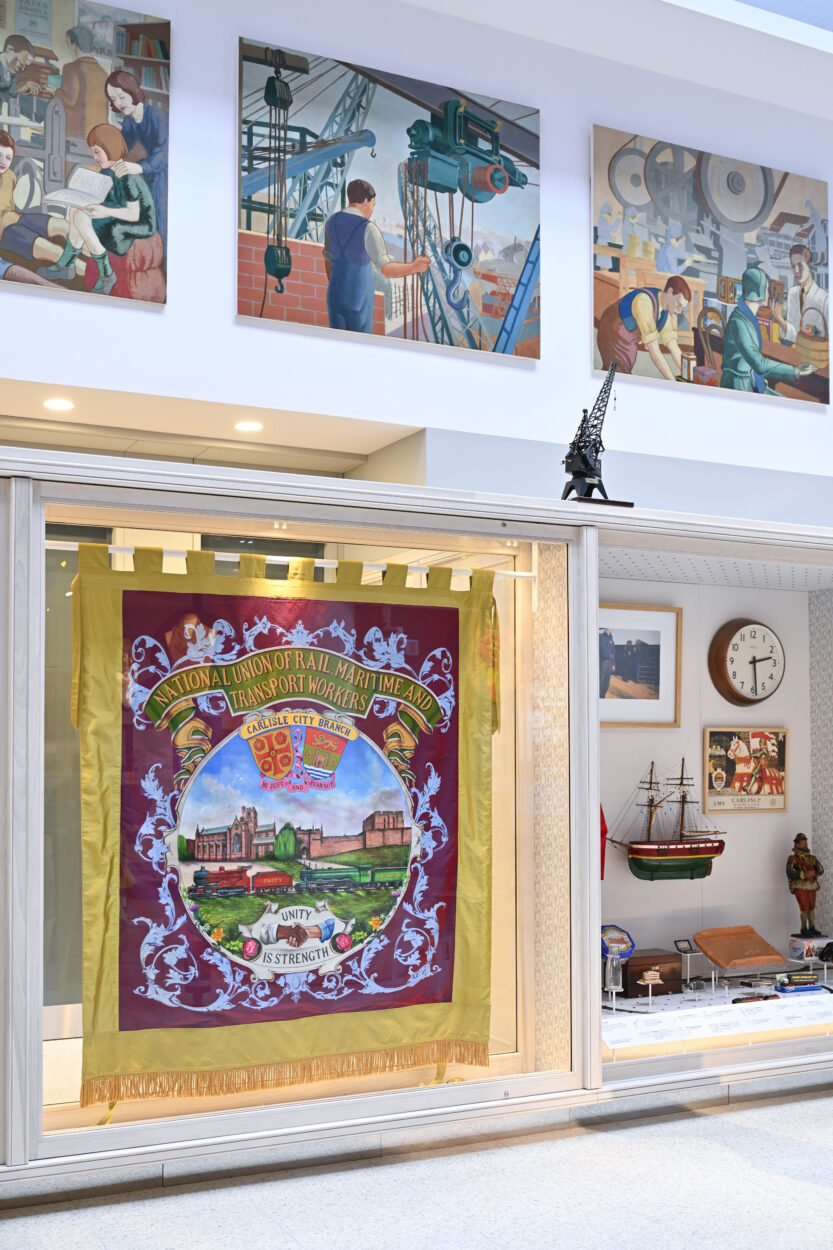
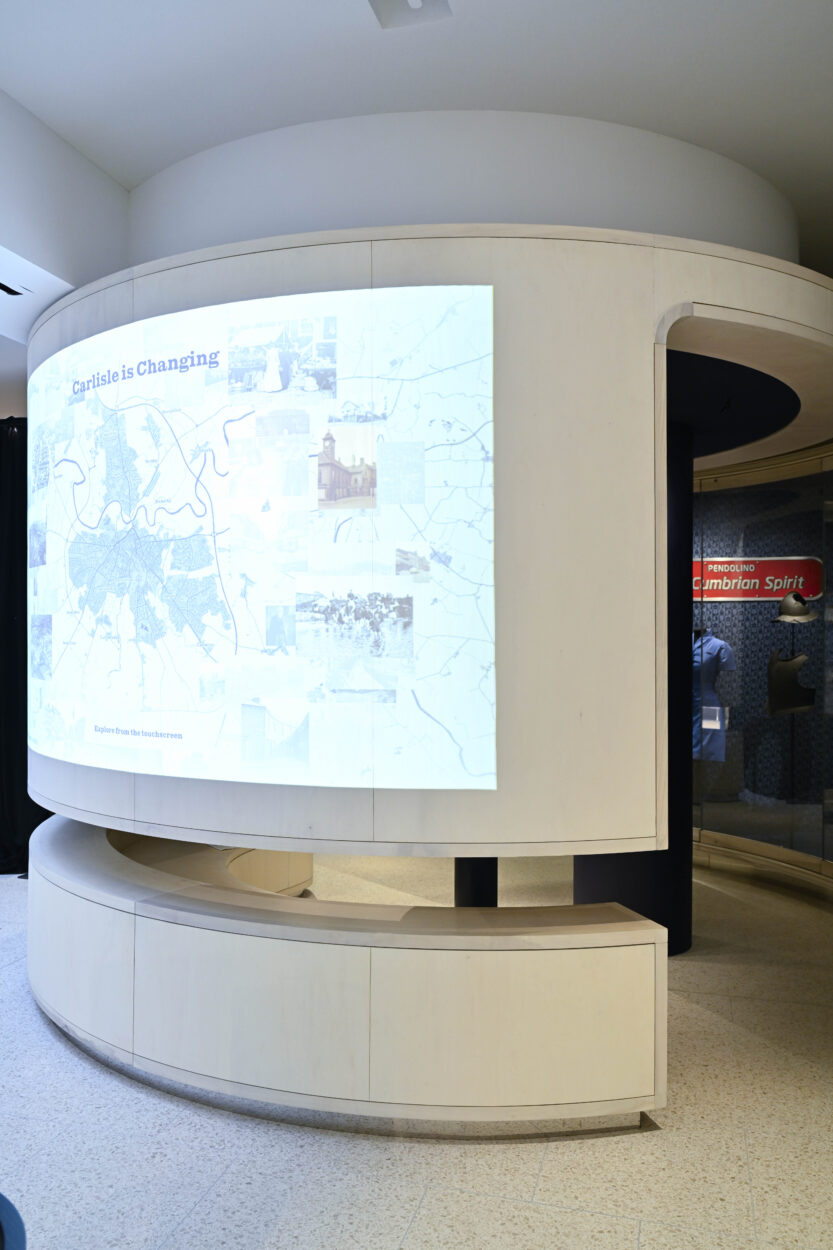
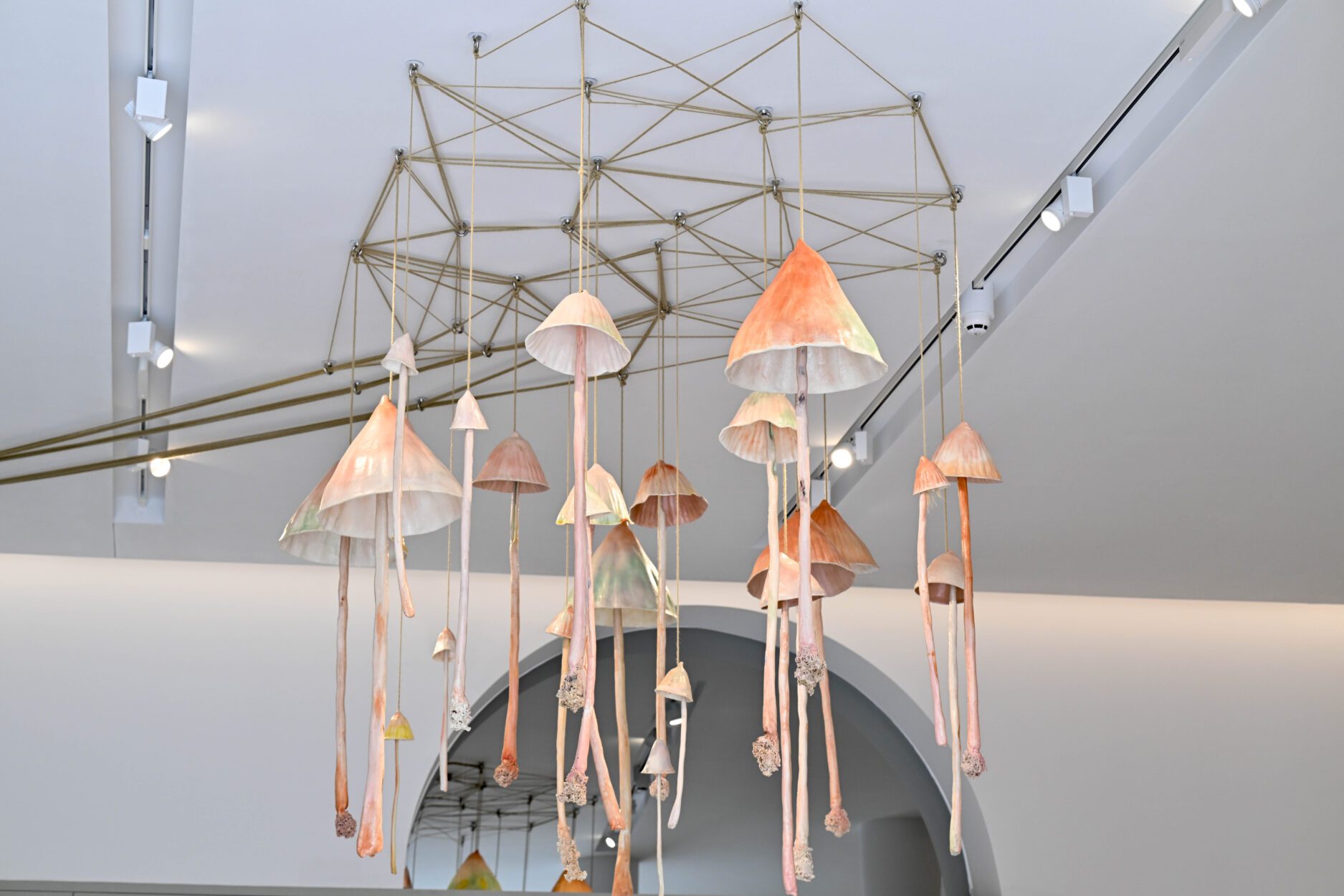
Carlisle’s rich history is revealed through unexpected and hidden stories, refreshing familiar narratives while fostering personal connection and self-exploration. Rooted in the community yet globally relevant, the gallery is story-led, foregrounding the people of Carlisle and their voices.
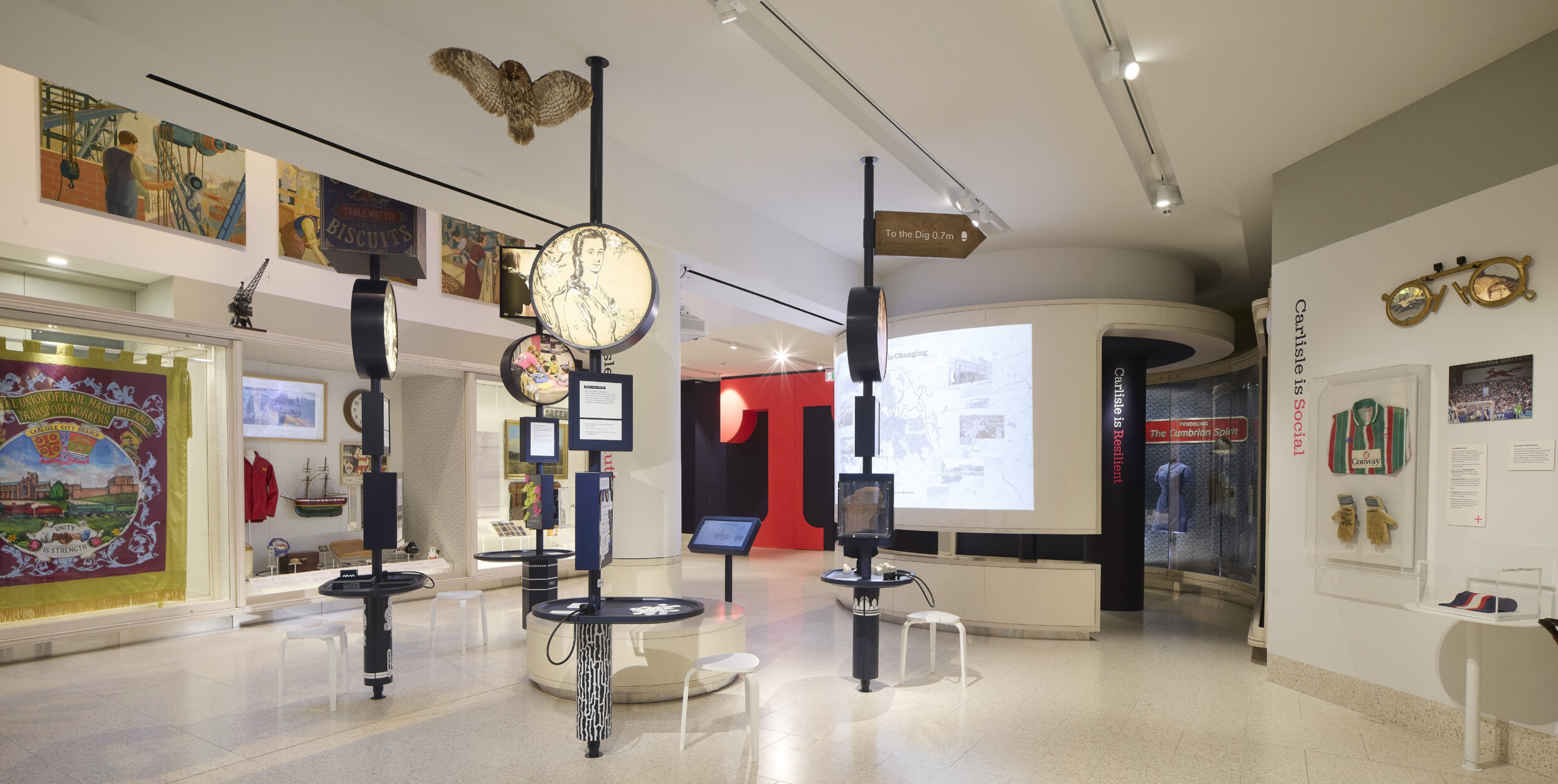
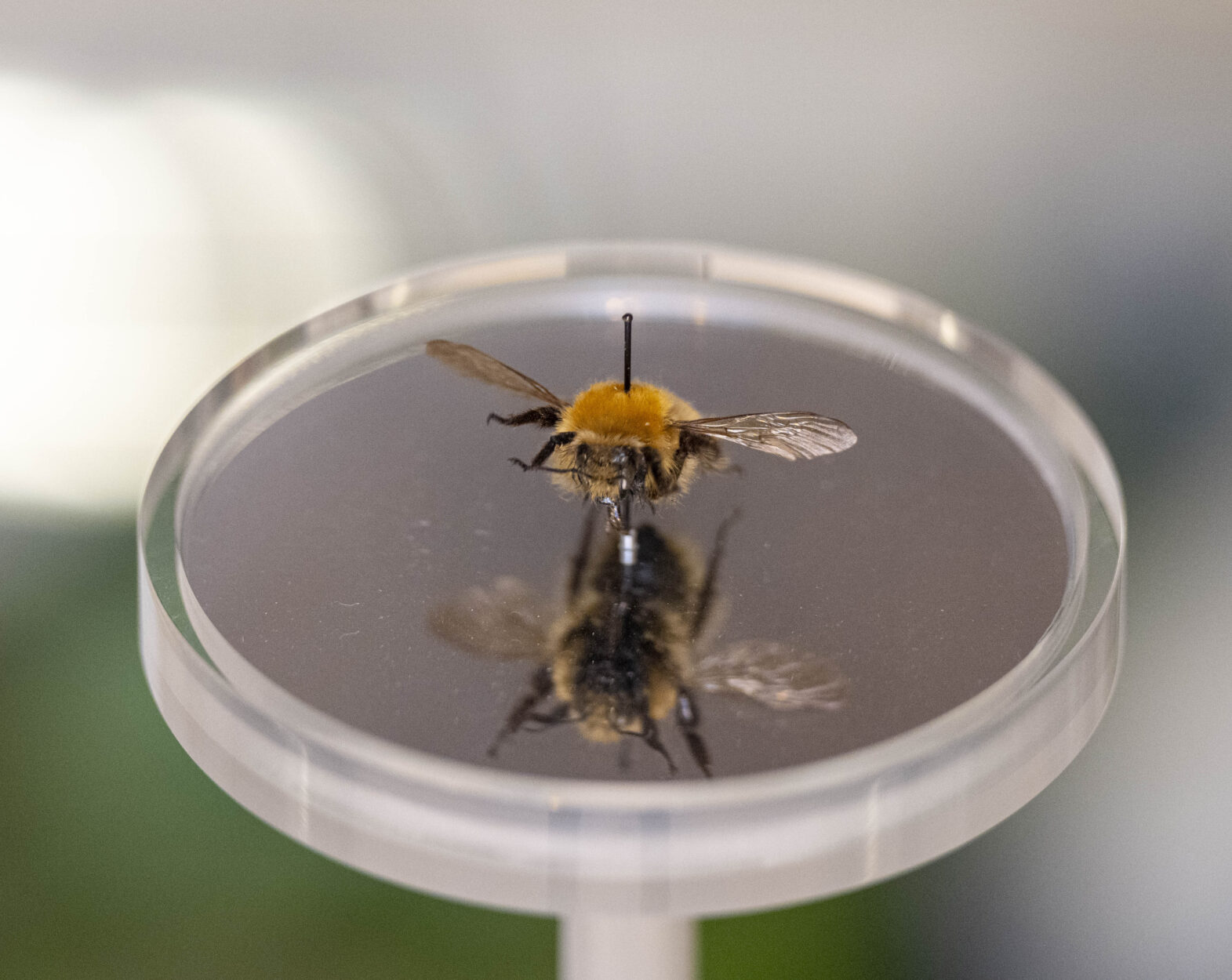
Over 270 objects are displayed, introducing visitors to both the city and the wider Tullie collection. These stories connect Carlisle’s past, present, and future.
Co-designed, co-curated, and co-produced with the community, the gallery breaks down barriers between collections and audiences. It embraces diverse objects, voices, and perspectives, using multi-sensory, interactive, and digital interpretation.
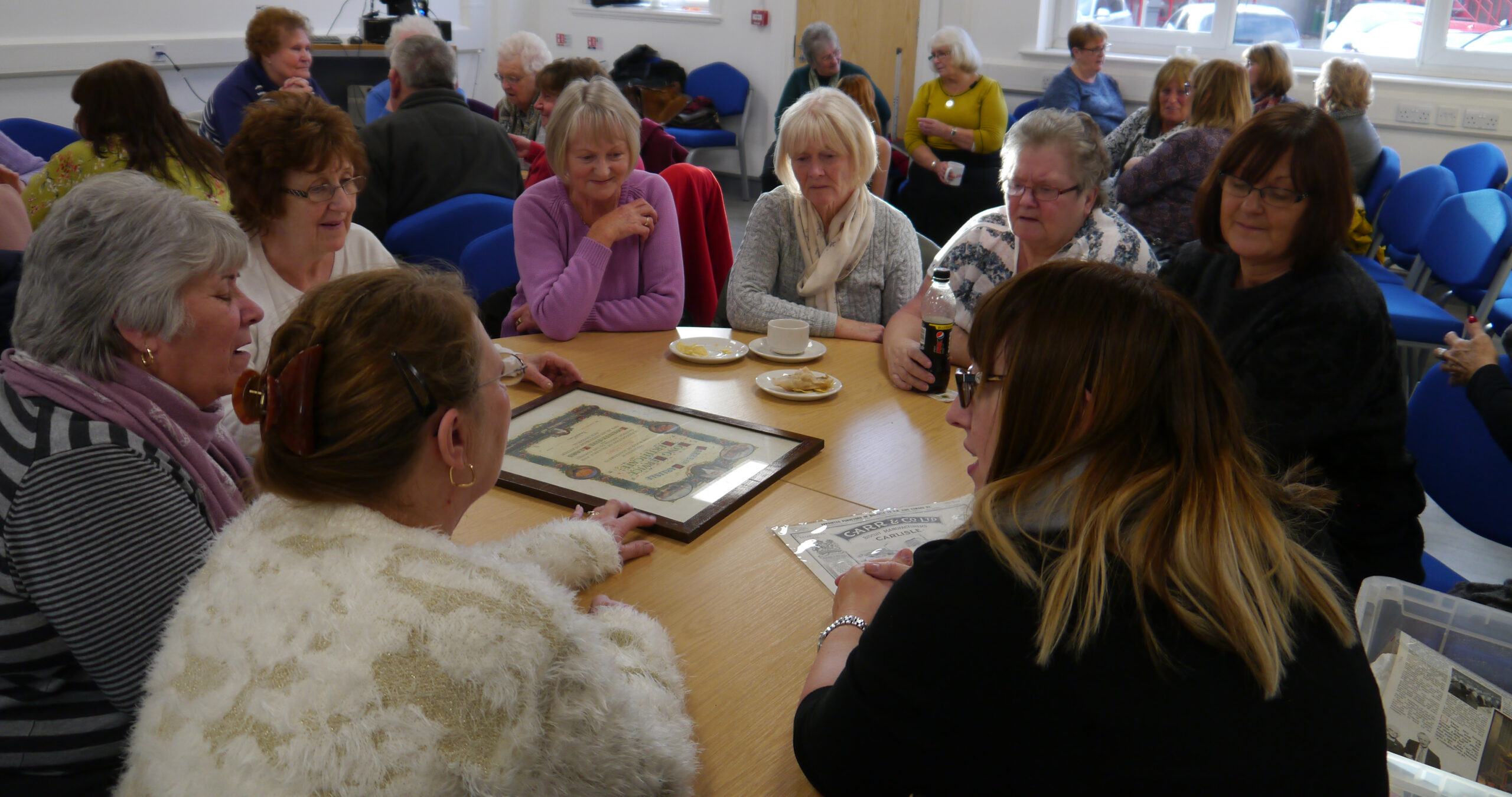
‘Cracker Packer’ co-designing at the McVities Carrs factory
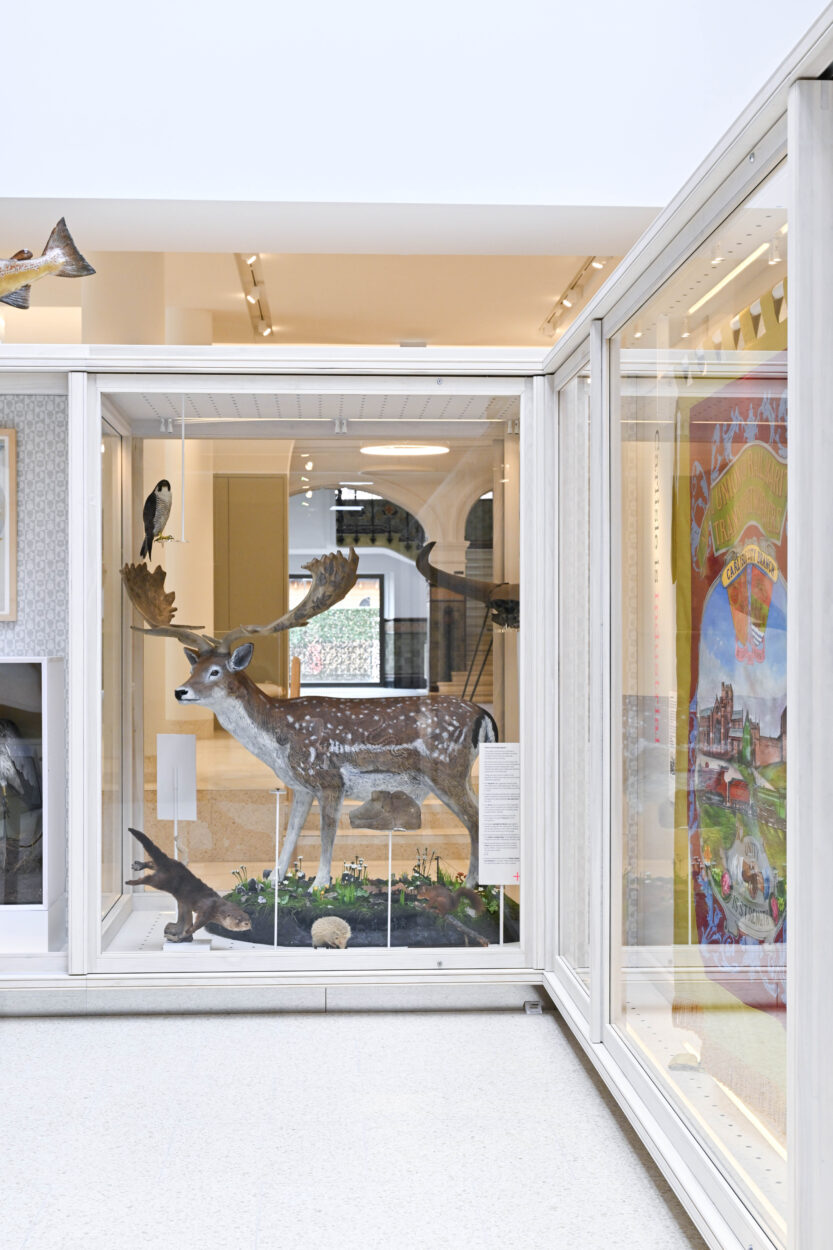
Housed in a 1990s atrium extension, previously at odds with the Grade I listed building, the space has been decluttered and unified. Light is controlled, service areas screened, and a calm, neutral setting established.
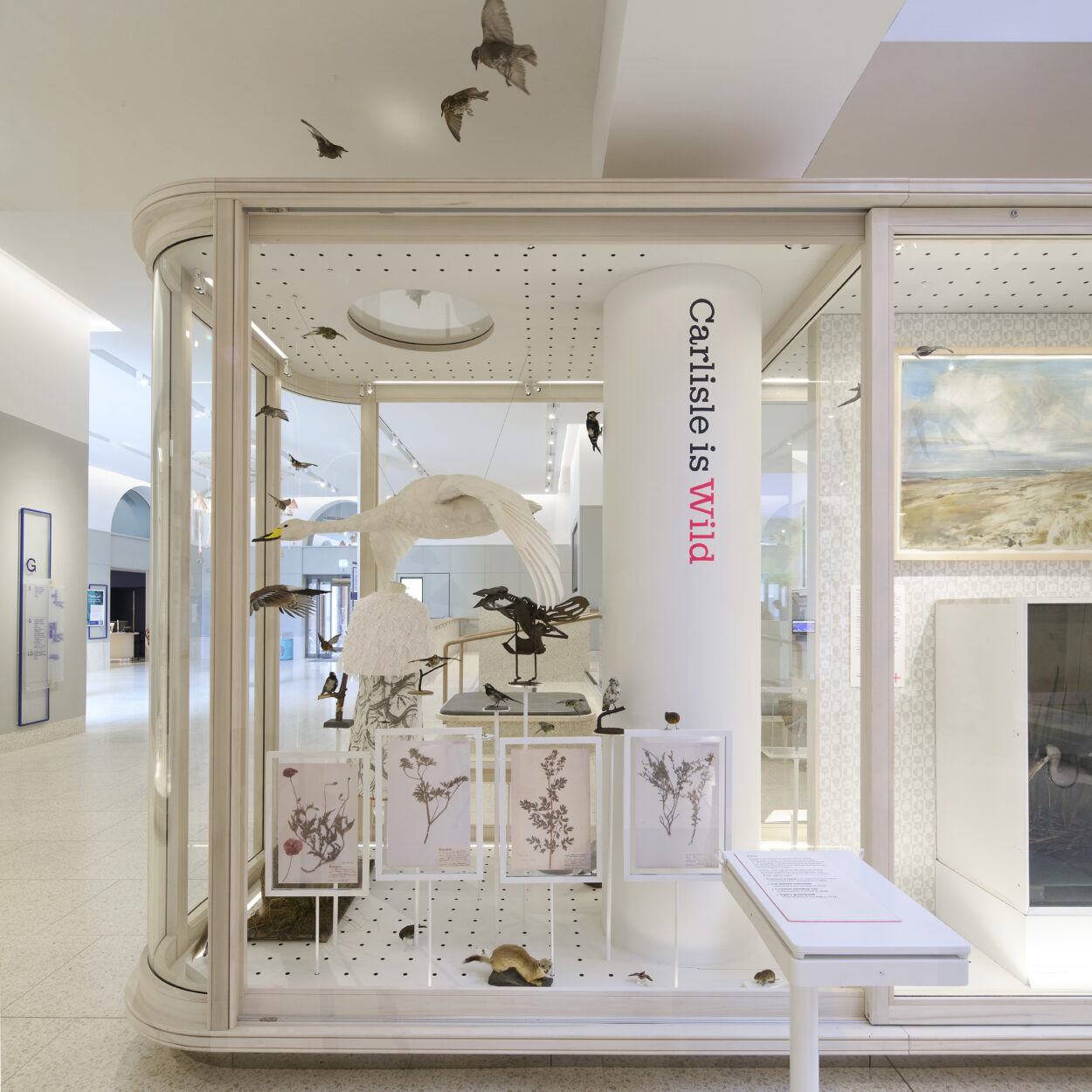
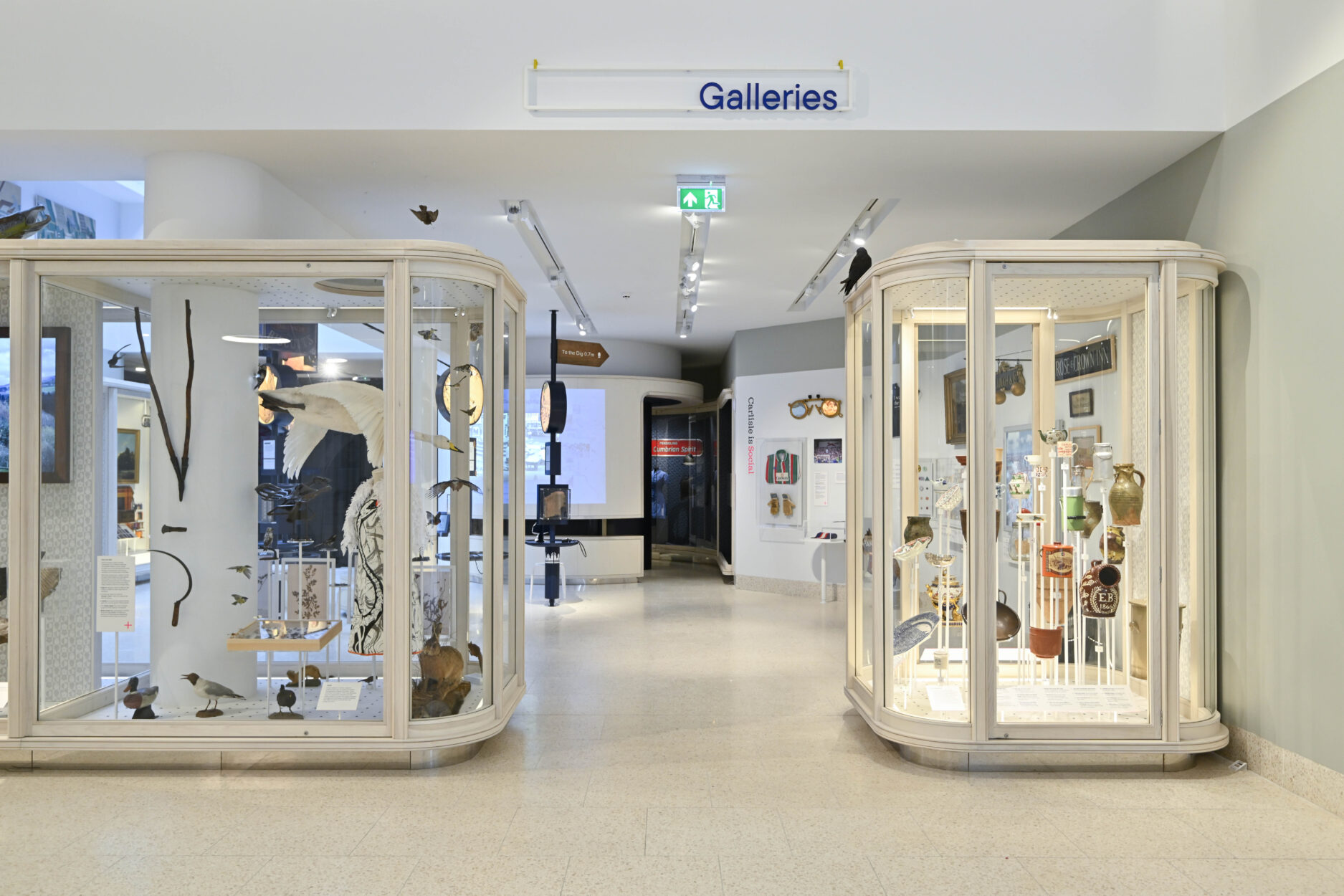
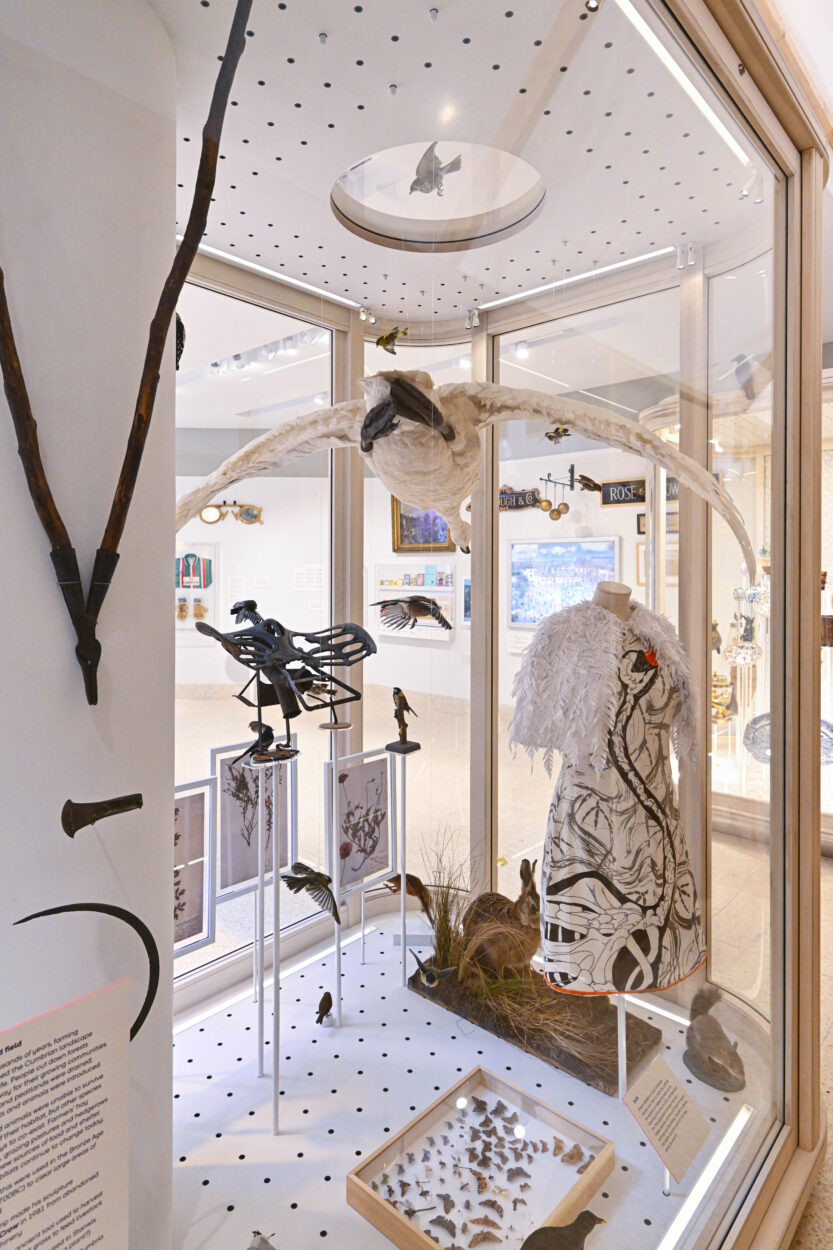
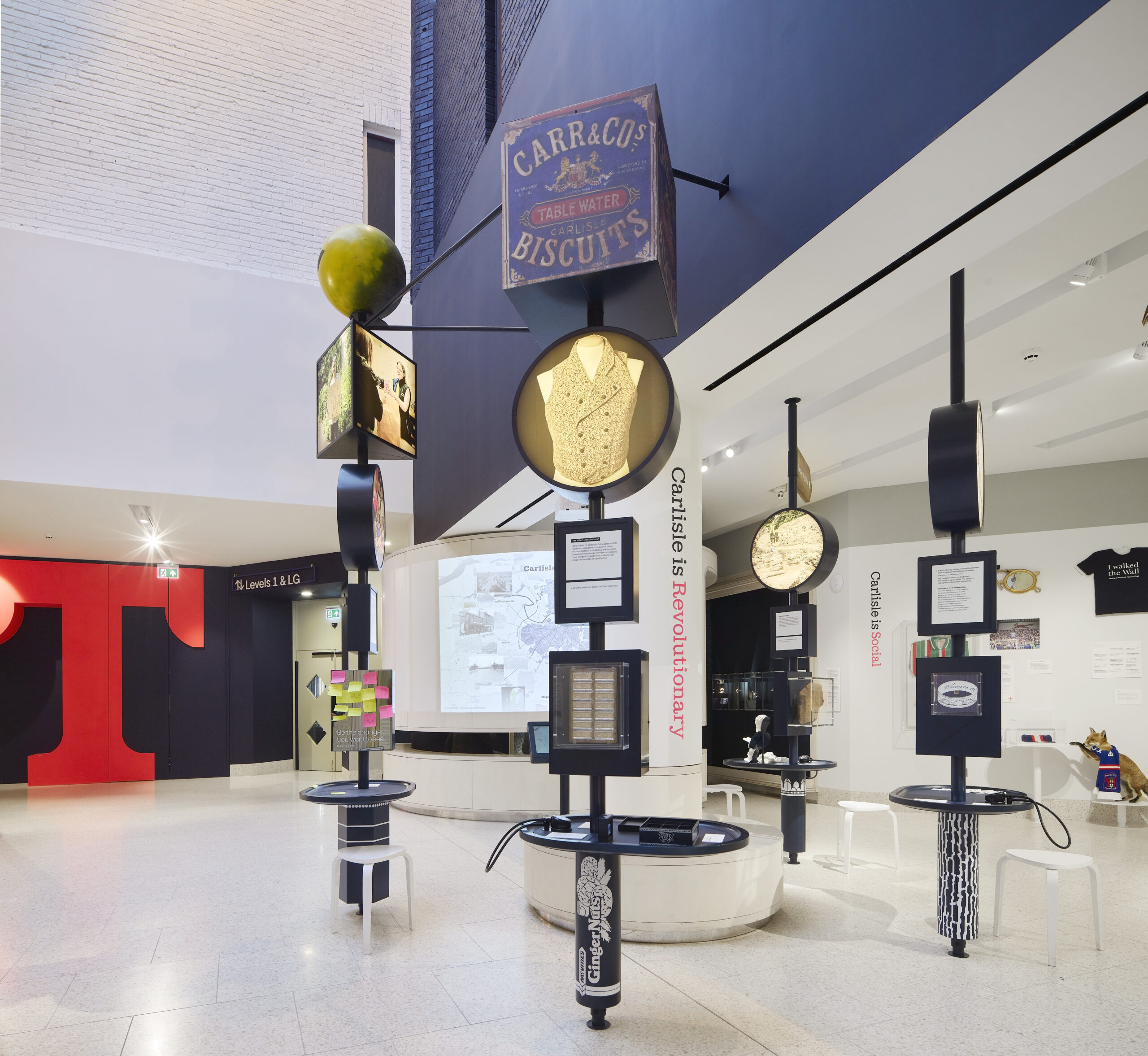
Rather than a defined room, the gallery is formed by lightweight vitrines that layer the space and open views beyond. Bespoke, sustainably sourced timber cases are adaptable, with pegboard systems allowing displays to evolve over the project’s 15-year lifespan.
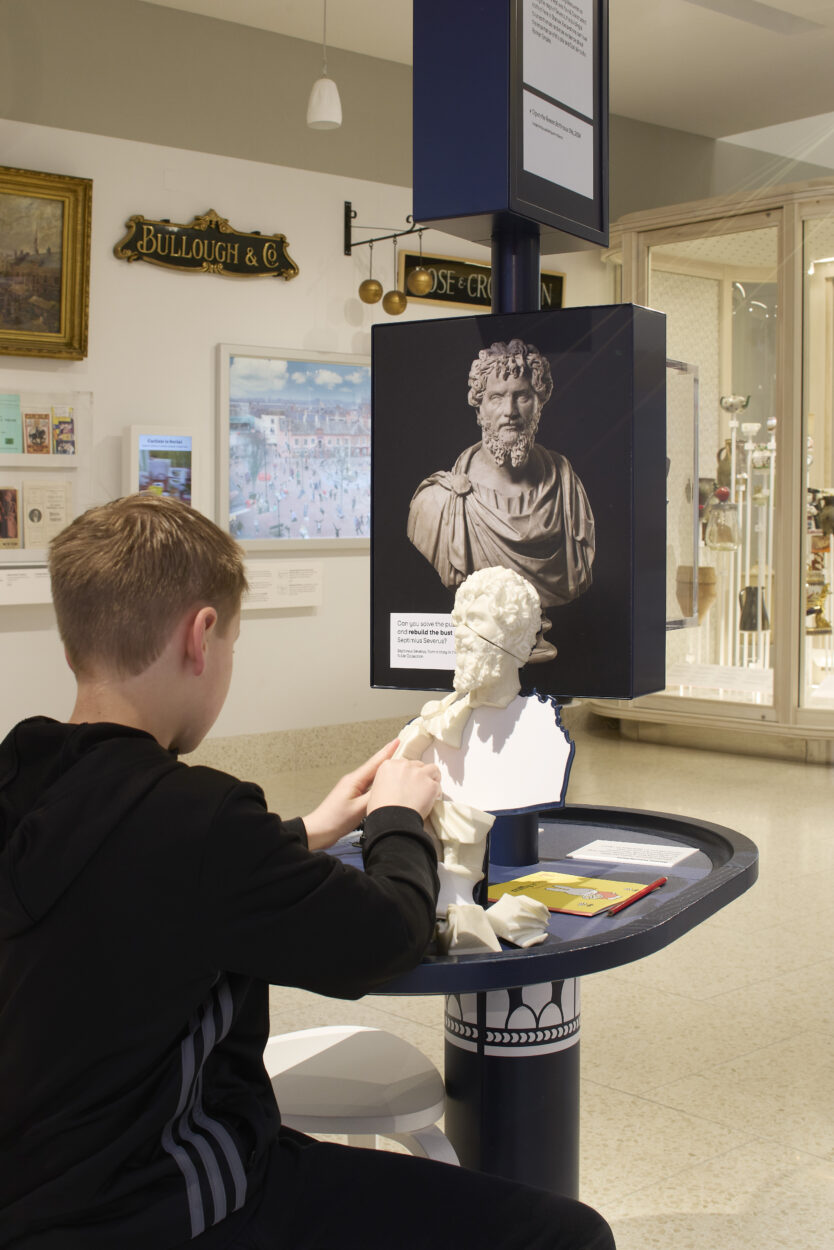
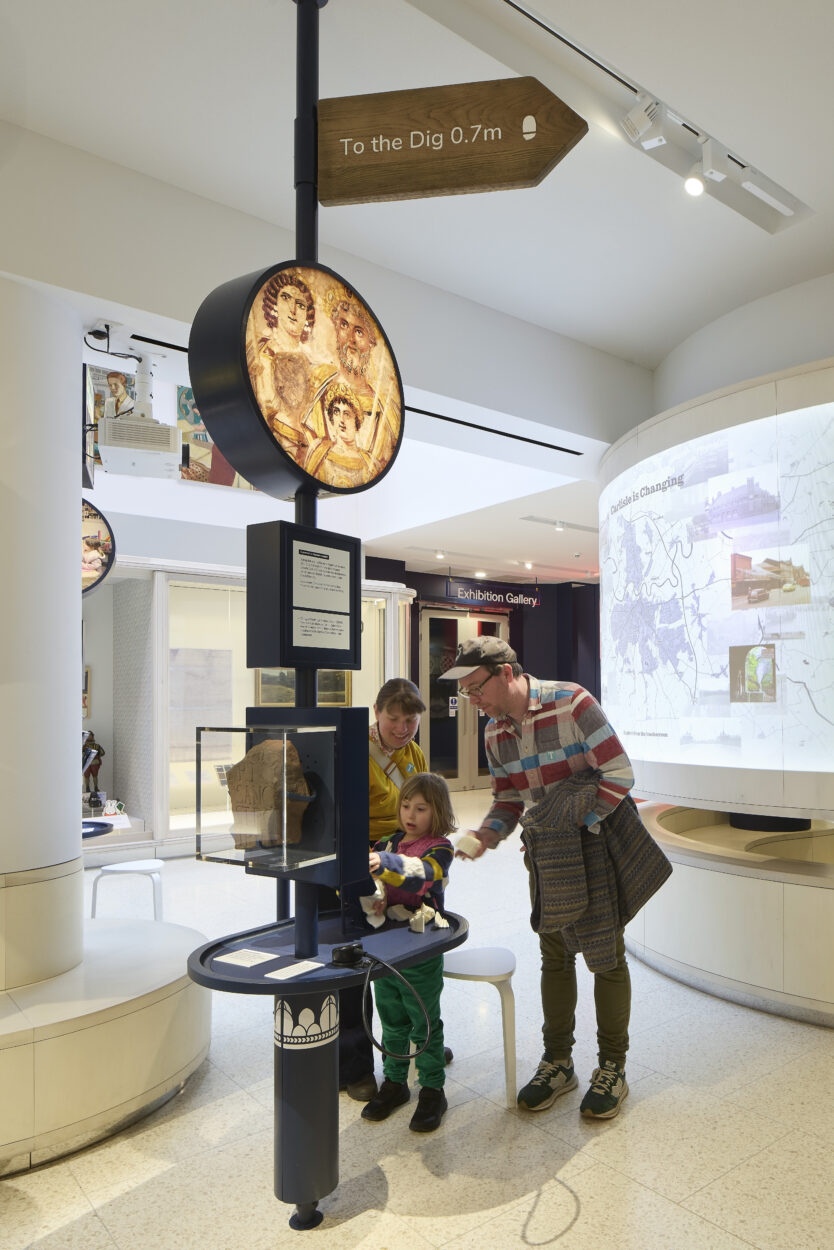
Five central totems display Carlisle revolutionaries, designed as flexible elements for rotating content. With interaction points at varied heights, they maximise the atrium’s scale and engage younger visitors.
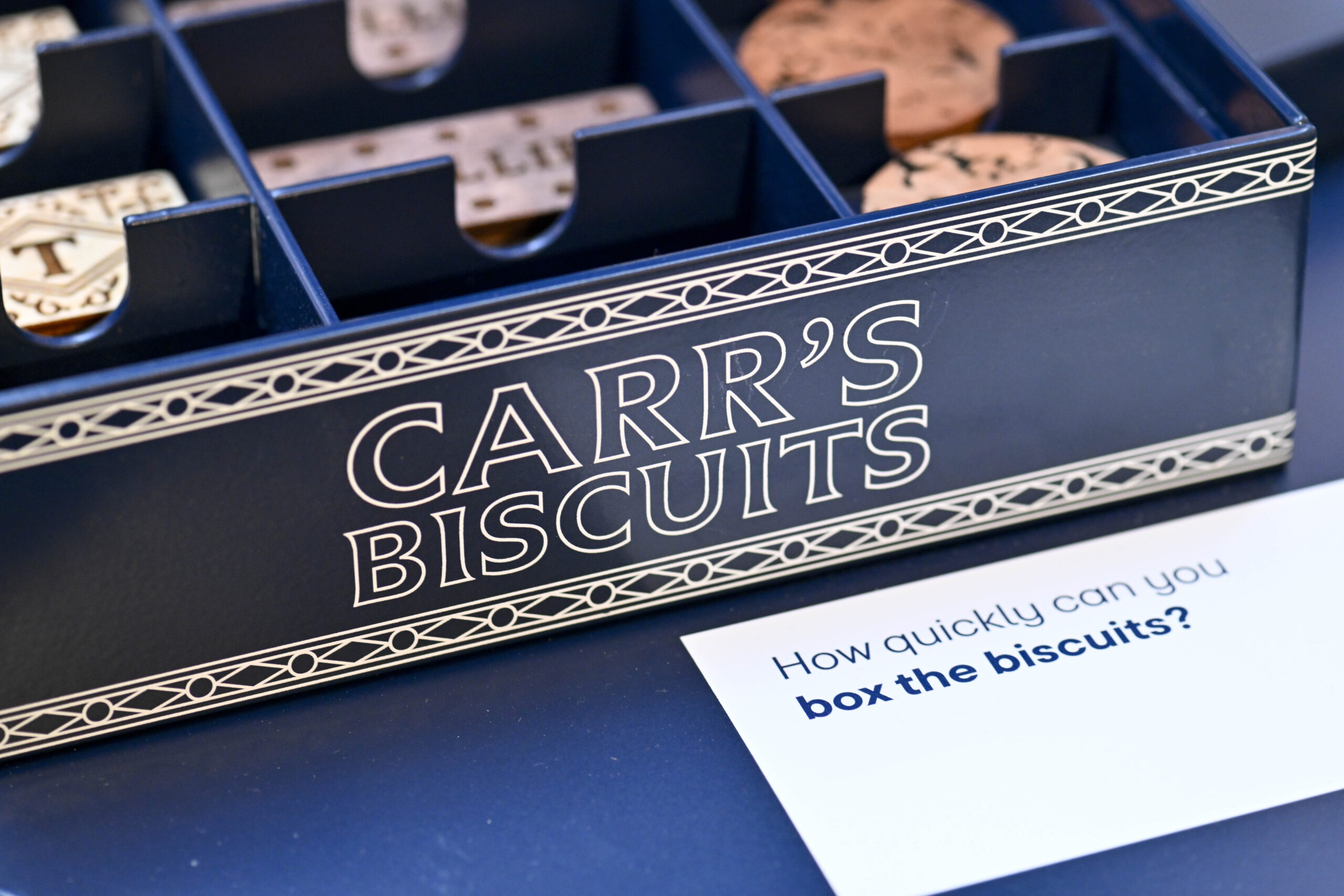

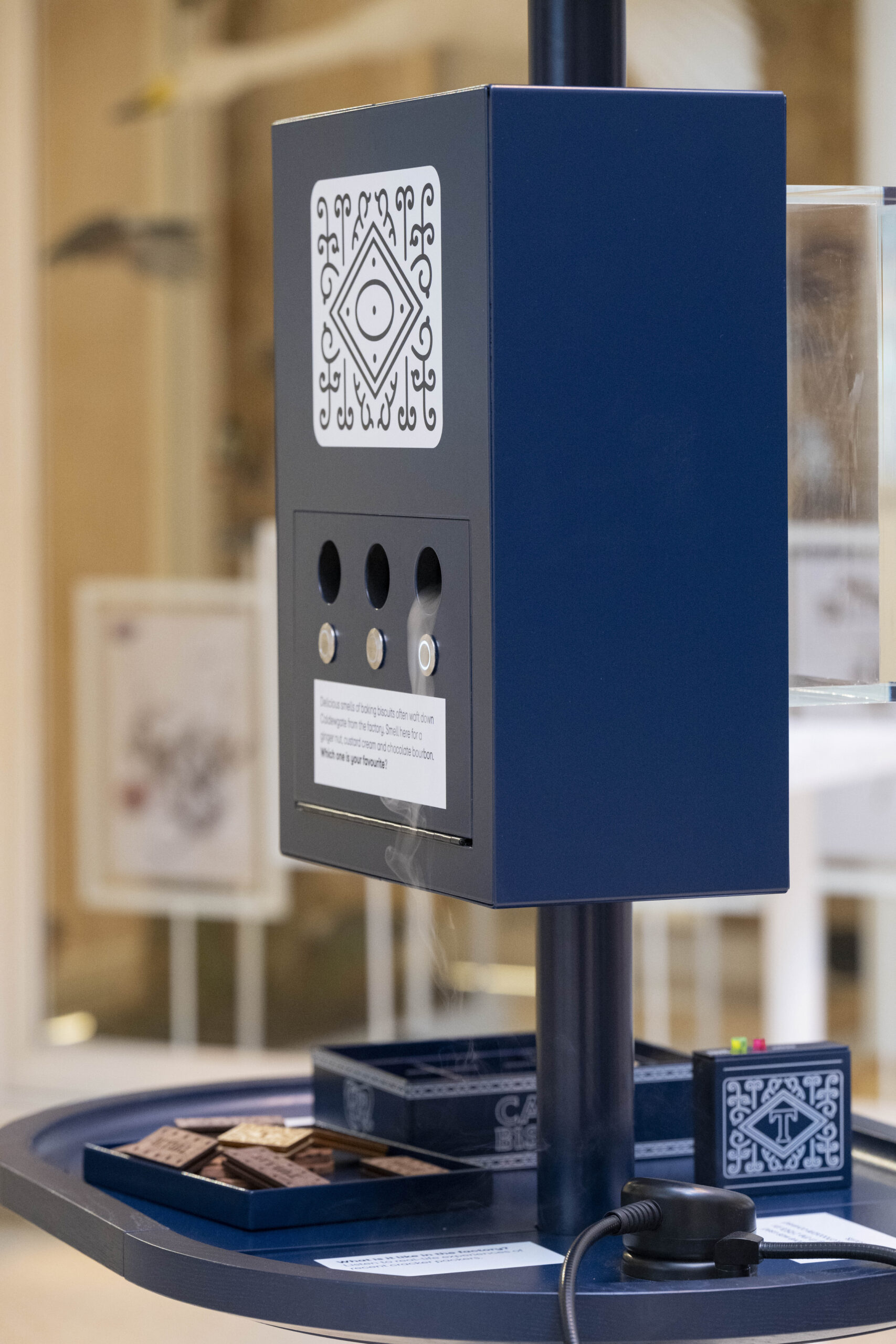
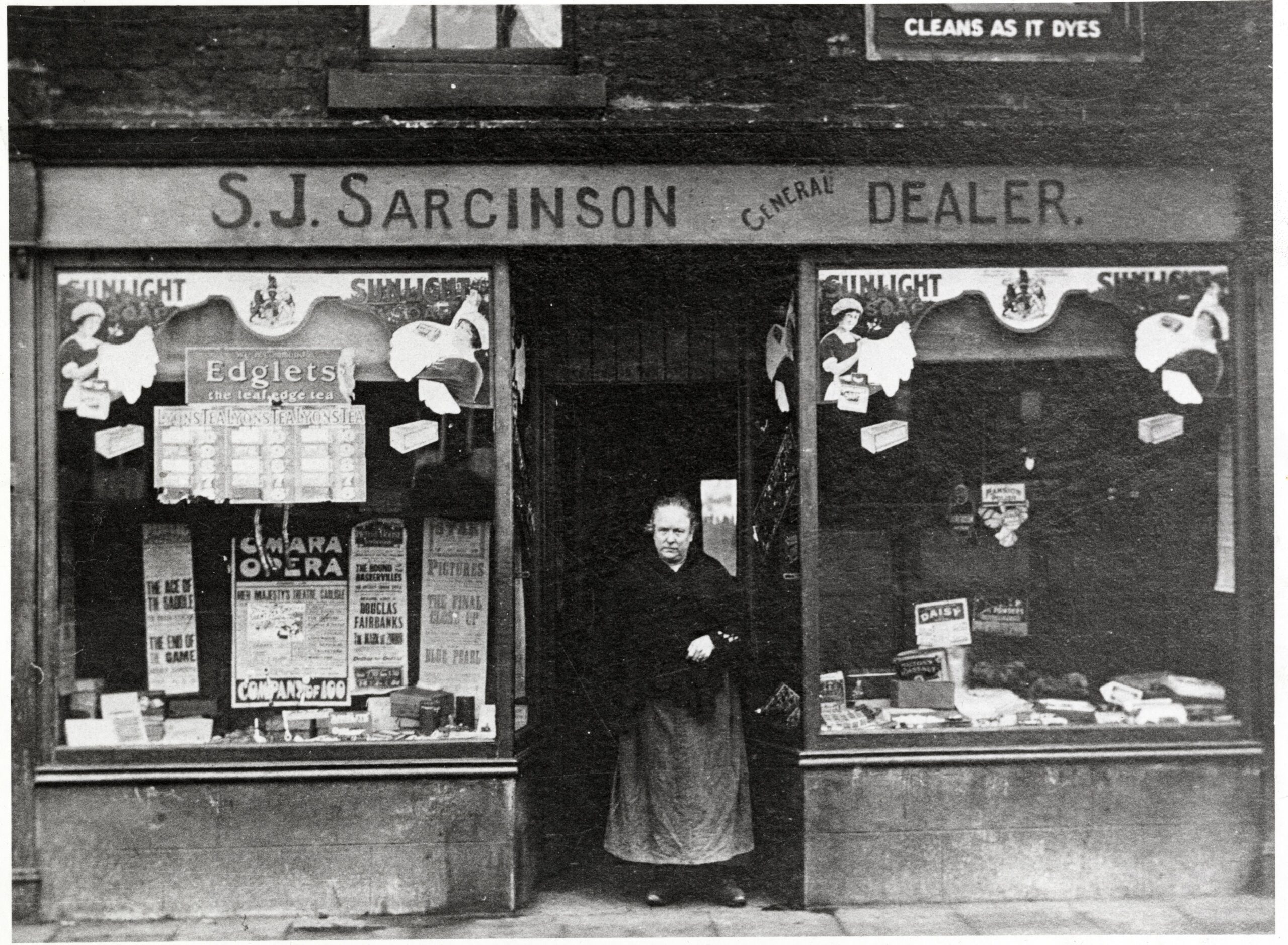
Can you smell the biscuits?
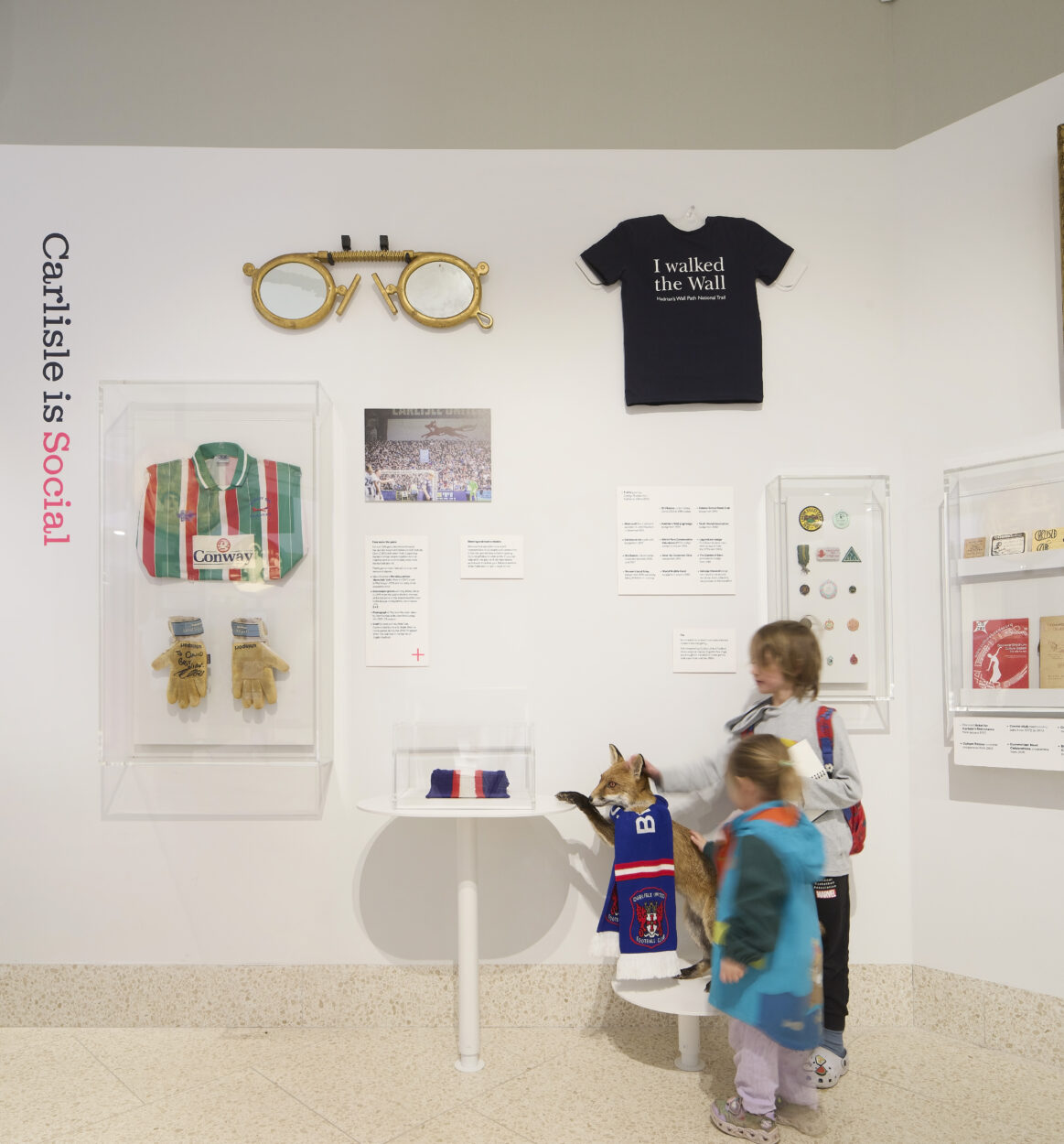
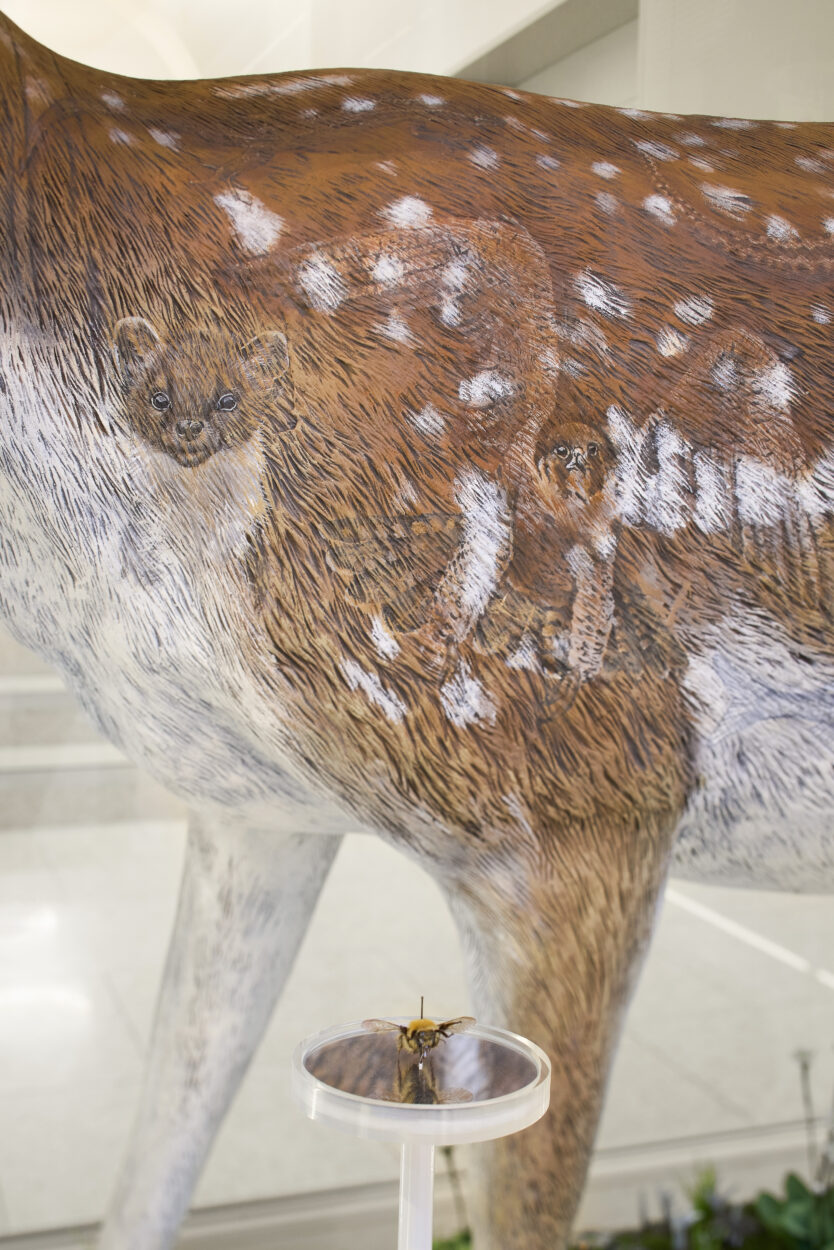
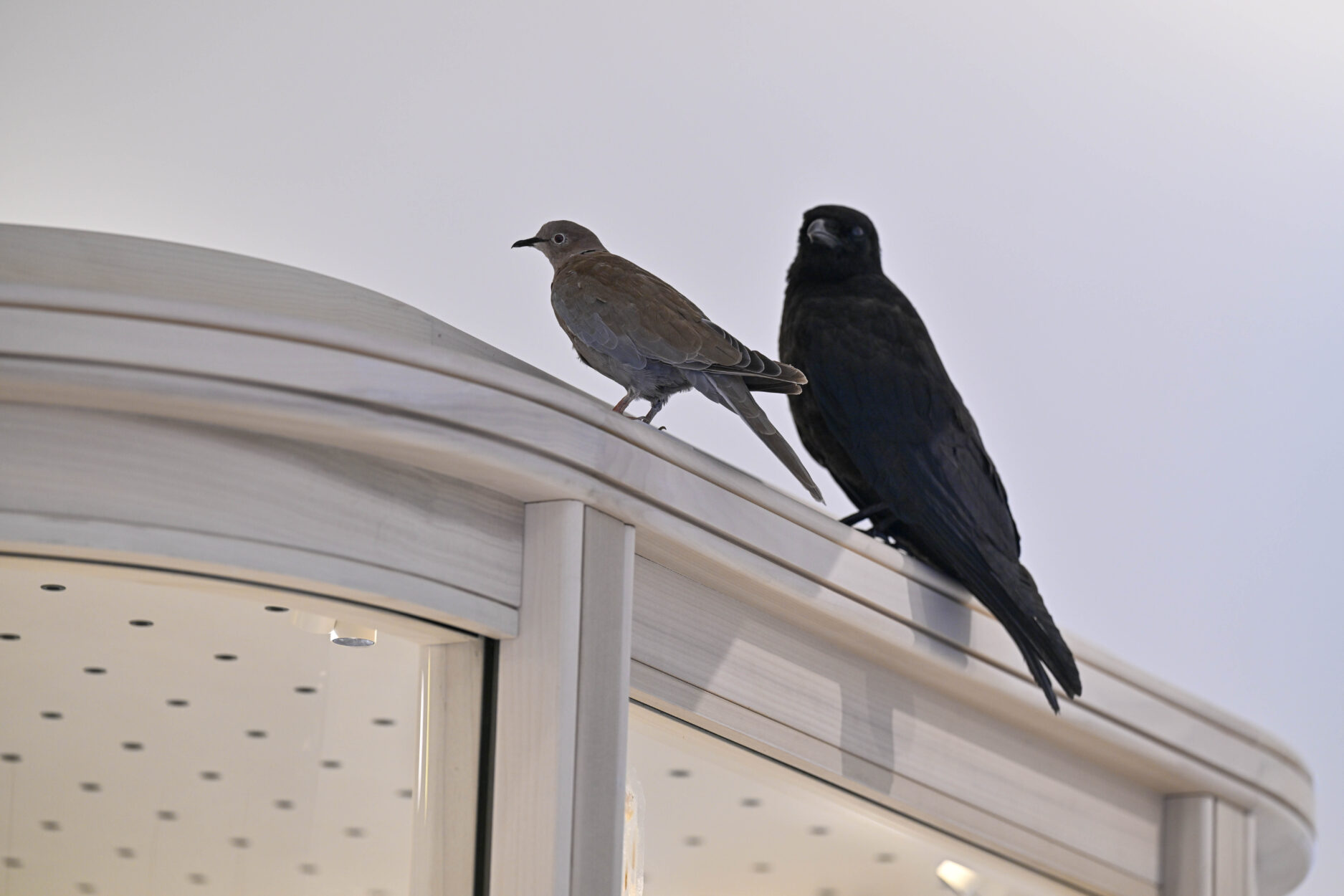
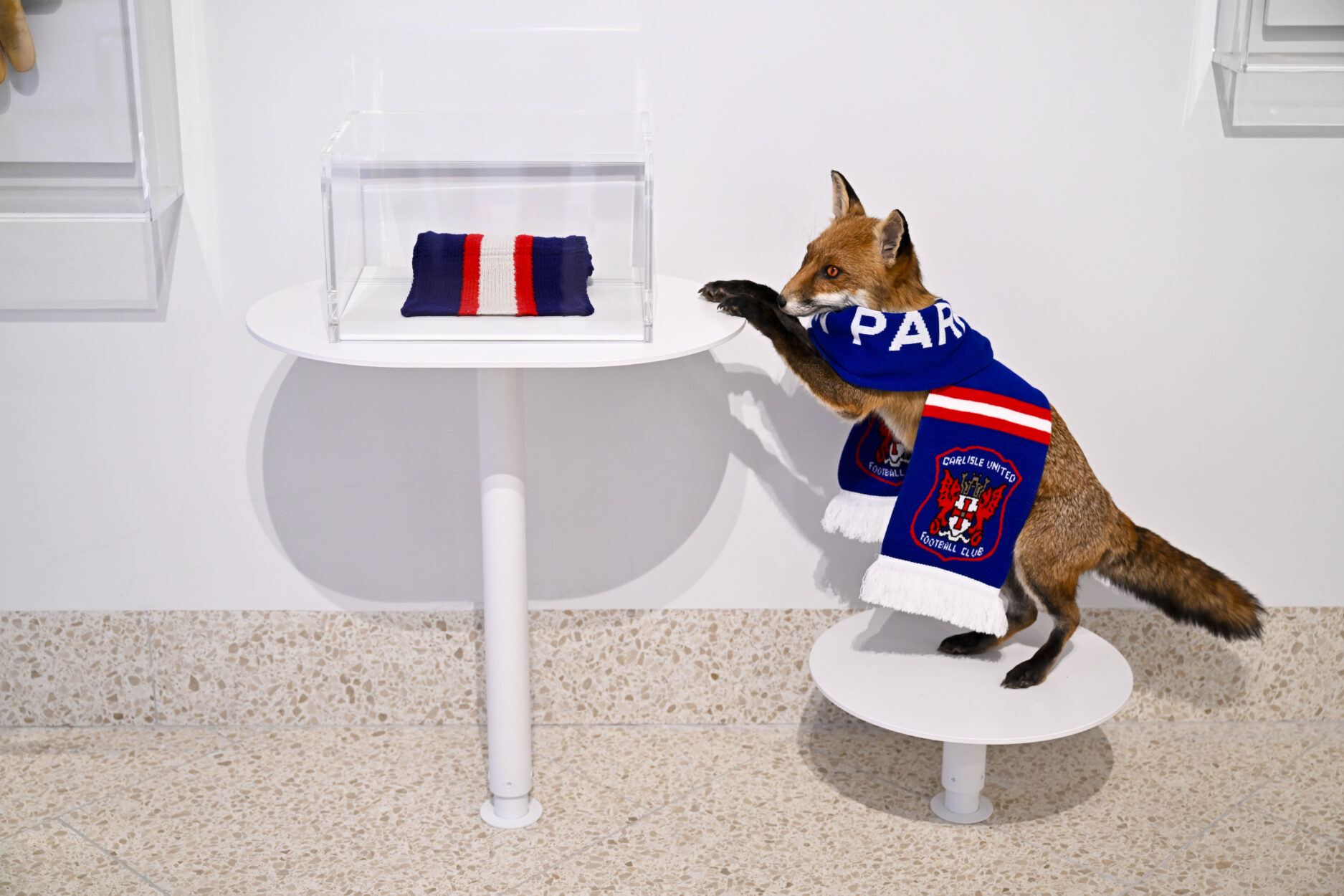
Handling objects—such as a fox, owl, and birds—are placed throughout, appearing to escape the vitrines and inviting closer engagement. A “wild” case base further immerses younger audiences in the collection’s flora and fauna.
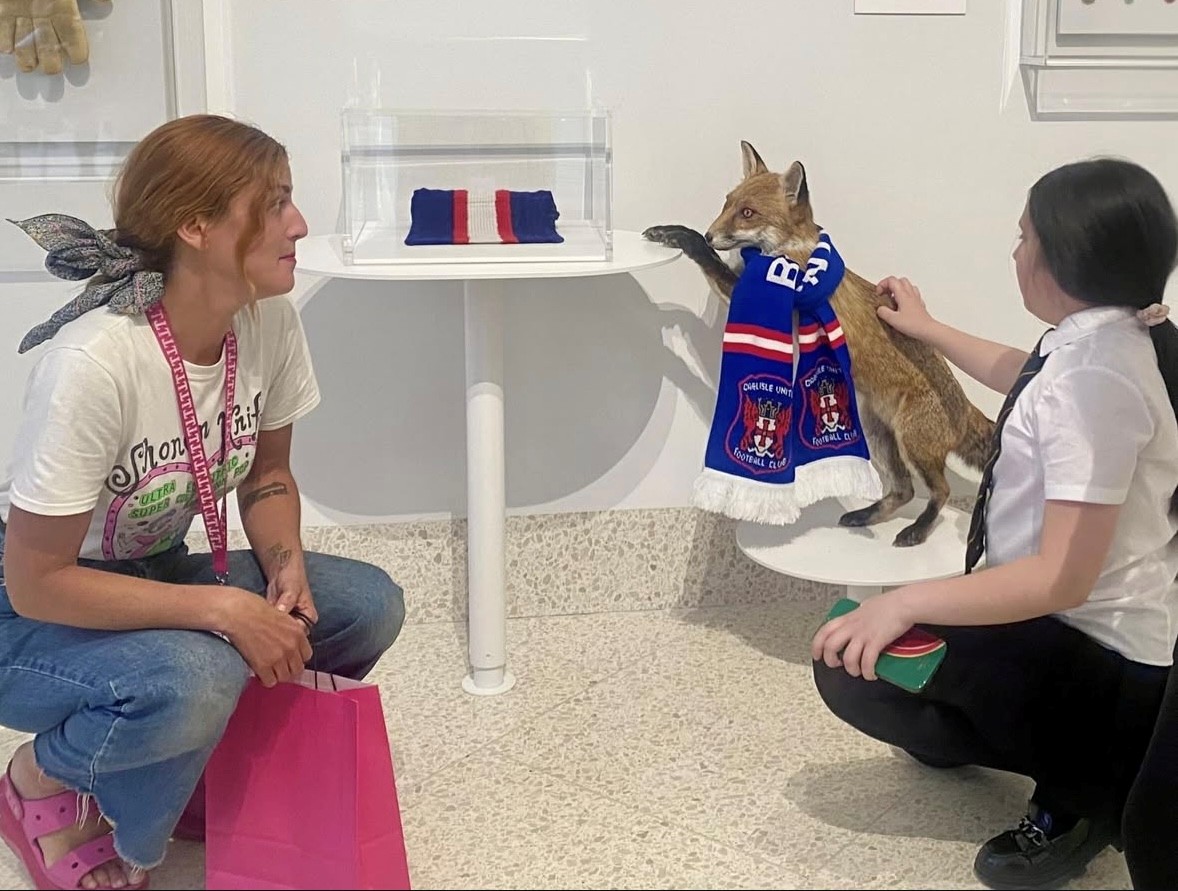
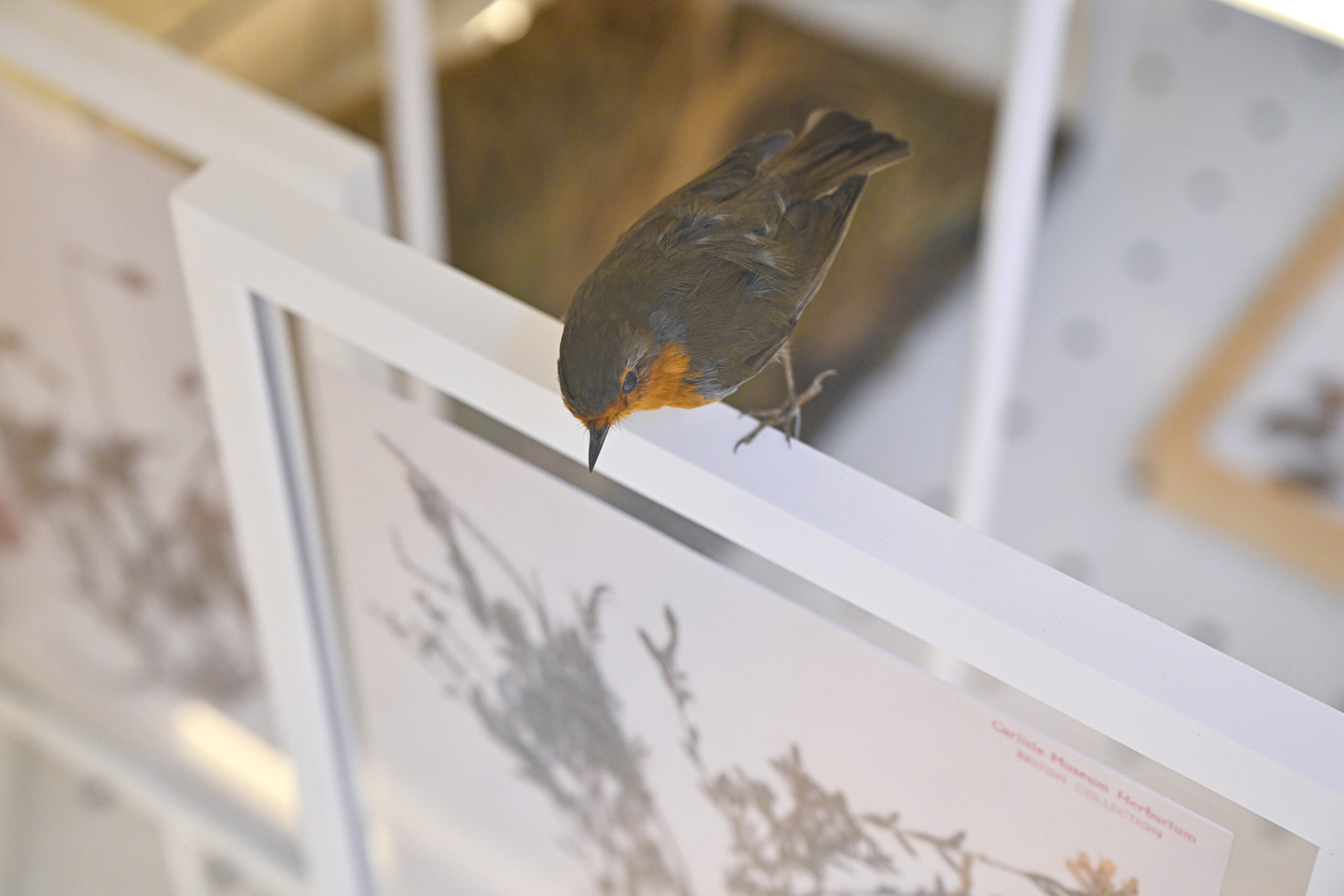
Sustainability guided a light-touch approach, minimising structural change while creating a unified, bright interior with improved visual and spatial coherence with the new welcome building.
Universal design underpins the gallery, offering multi-sensory experiences including audio, sound, scent, and touch. A major interactive was developed collaboratively with a local amateur history group, shaping its stories, objects, and interpretation.
More Selected WorkCulture + CommunityHeritage
-
 Britten Pears Arts
Britten Pears Arts
-
 Young V&A
Young V&A
-
 Wonderlab
Wonderlab
-
 Tullie House Museum
Tullie House Museum
-
 York Mansion House
York Mansion House
-
 Ucheldre
Ucheldre
-
 Cowley Manor Pavilion
Cowley Manor Pavilion
-
 The Alice Hawthorn
The Alice Hawthorn
-
 ArtsEd Schools
ArtsEd Schools
-
 Cranmer Road
Cranmer Road
-
 Georgian Theatre Royal
Georgian Theatre Royal
-
 Penfold
Penfold
-
 Penrose Street
Penrose Street
-
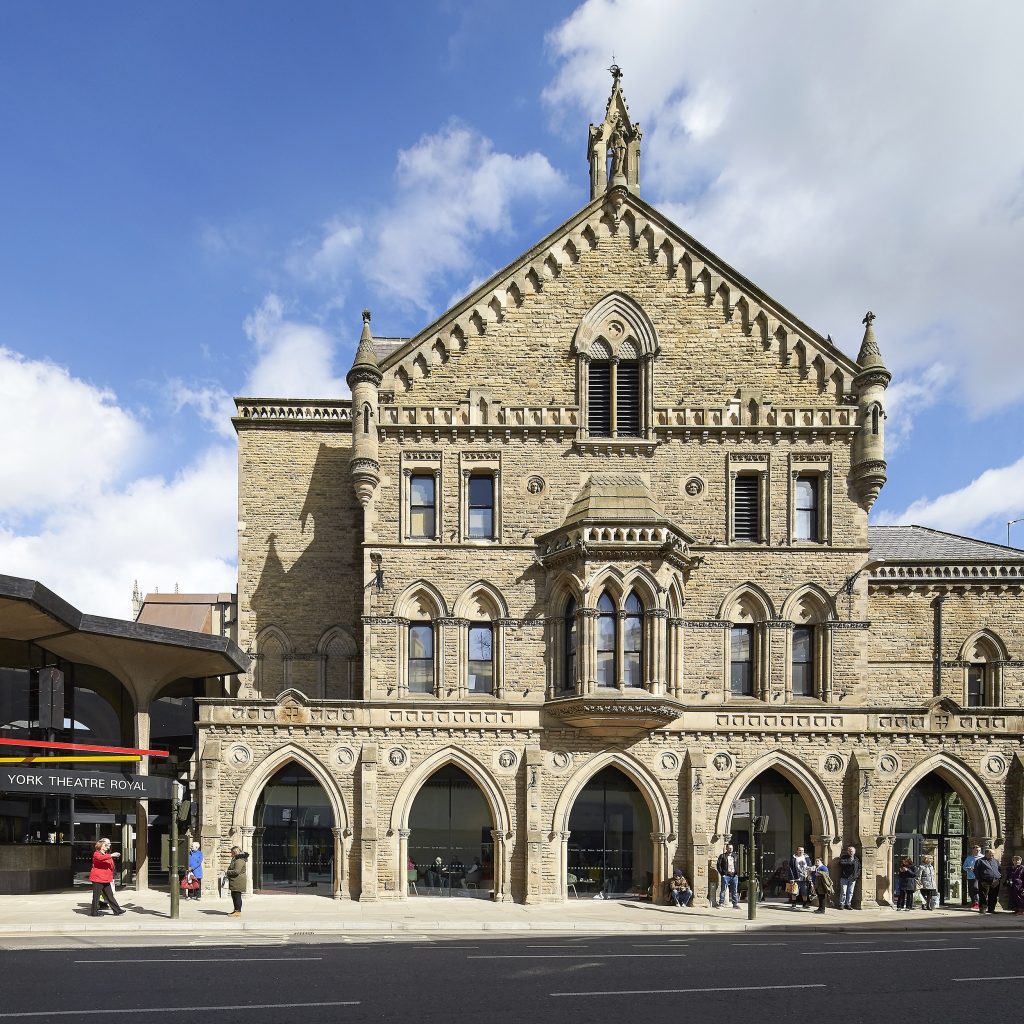 York Theatre Royal
York Theatre Royal
-
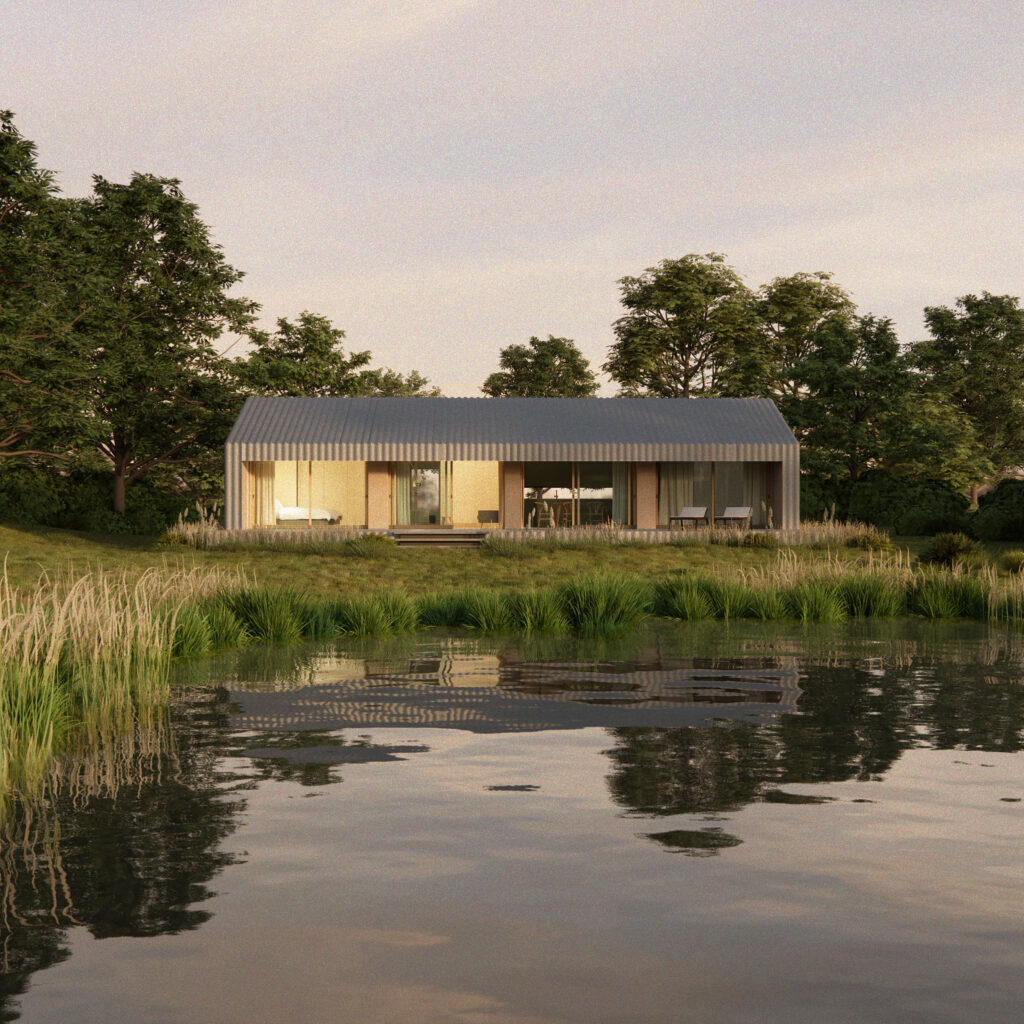 Constable Burton
Constable Burton
-
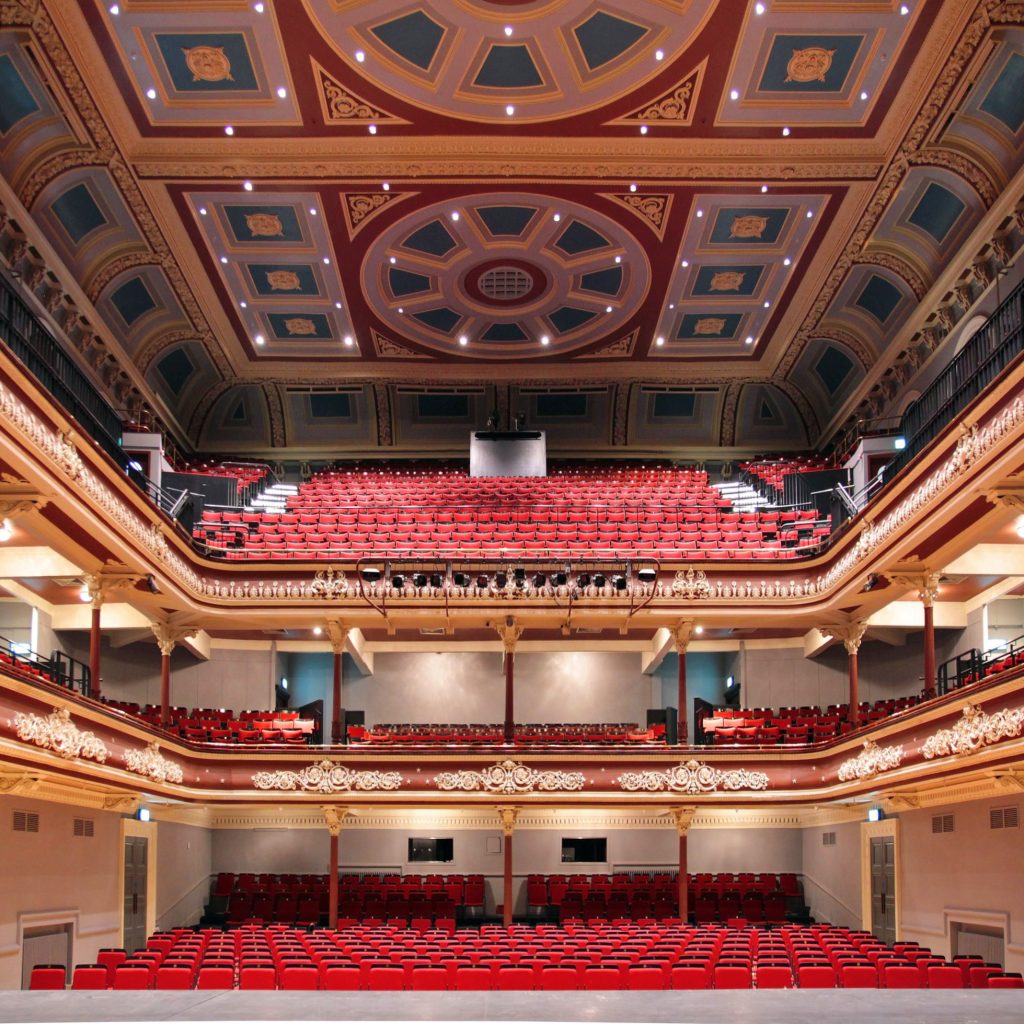 St George’s Hall
St George’s Hall
-
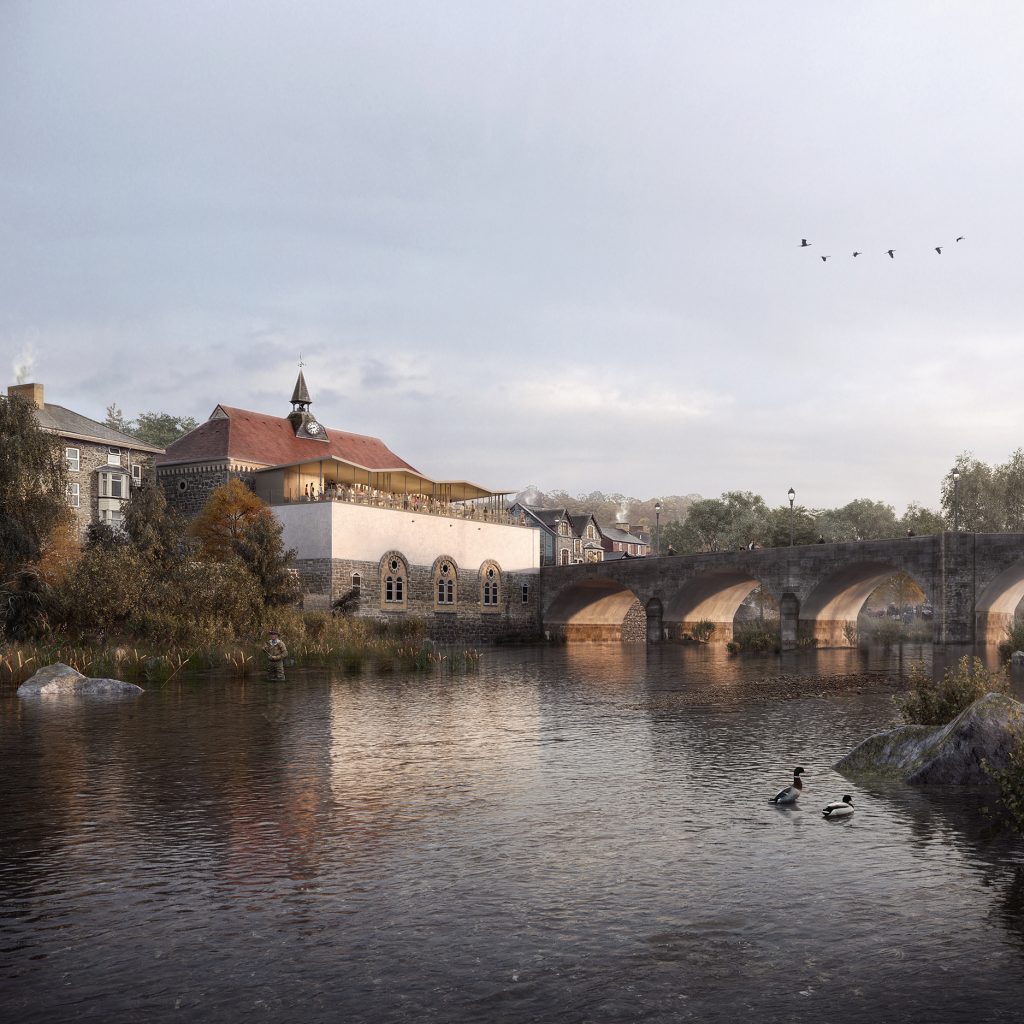 Wyeside Arts Centre
Wyeside Arts Centre
-
 C-Side
C-Side
-
 Gibraltar Tower
Gibraltar Tower
-
 Bird Boxes
Bird Boxes
-
 Sadler’s Wells
Sadler’s Wells
-
 Borough Theatre
Borough Theatre
-
 CPT
CPTCPT
-
 The British Library
The British Library
-
 Charlotte Sharman
Charlotte Sharman
-
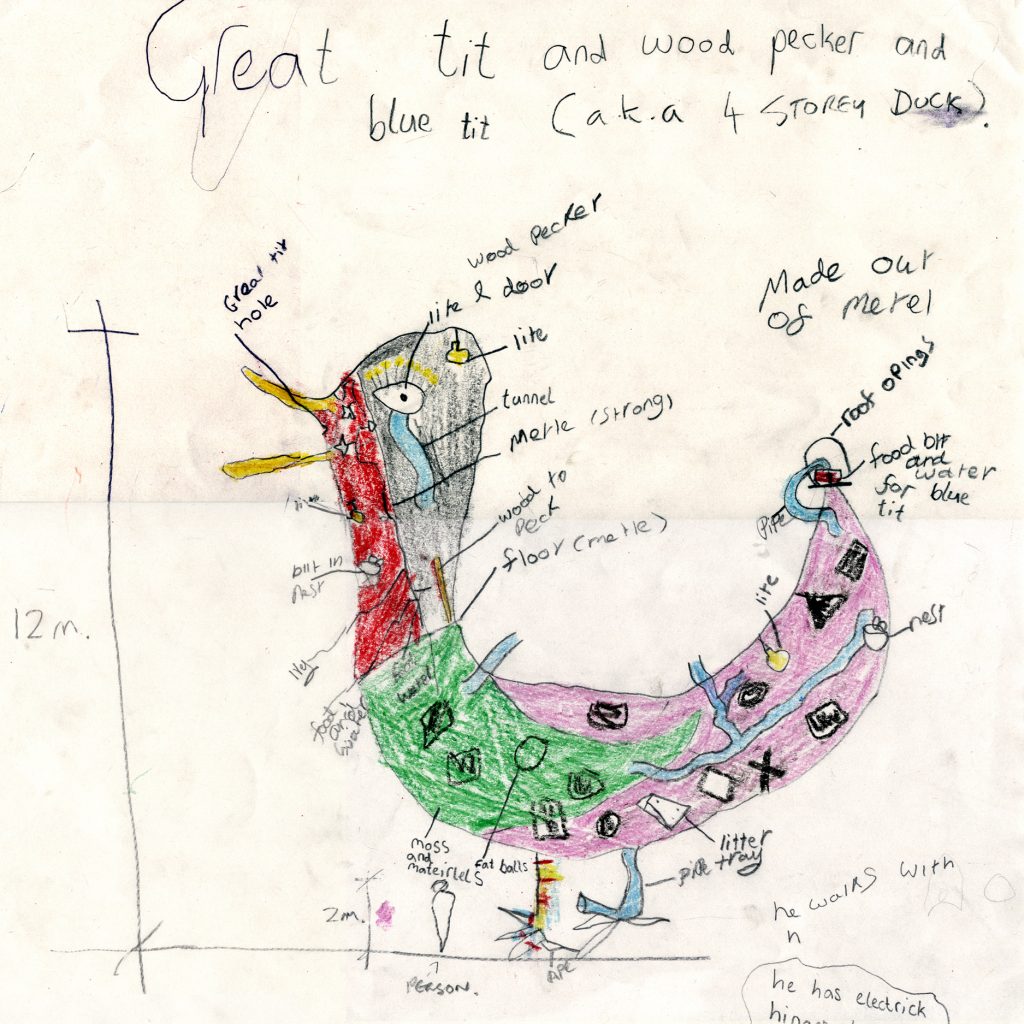 Wearhead Primary
Wearhead Primary
-
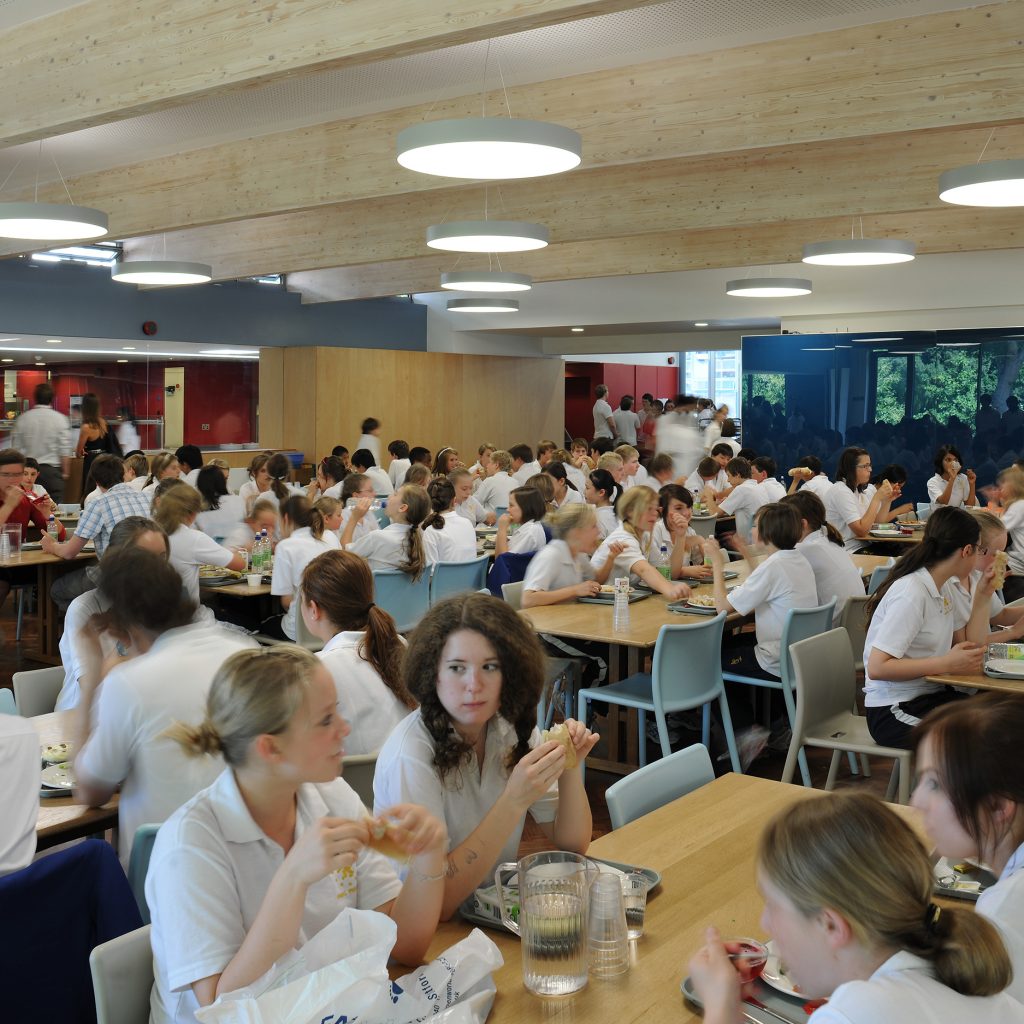 Hockerill College
Hockerill College
-
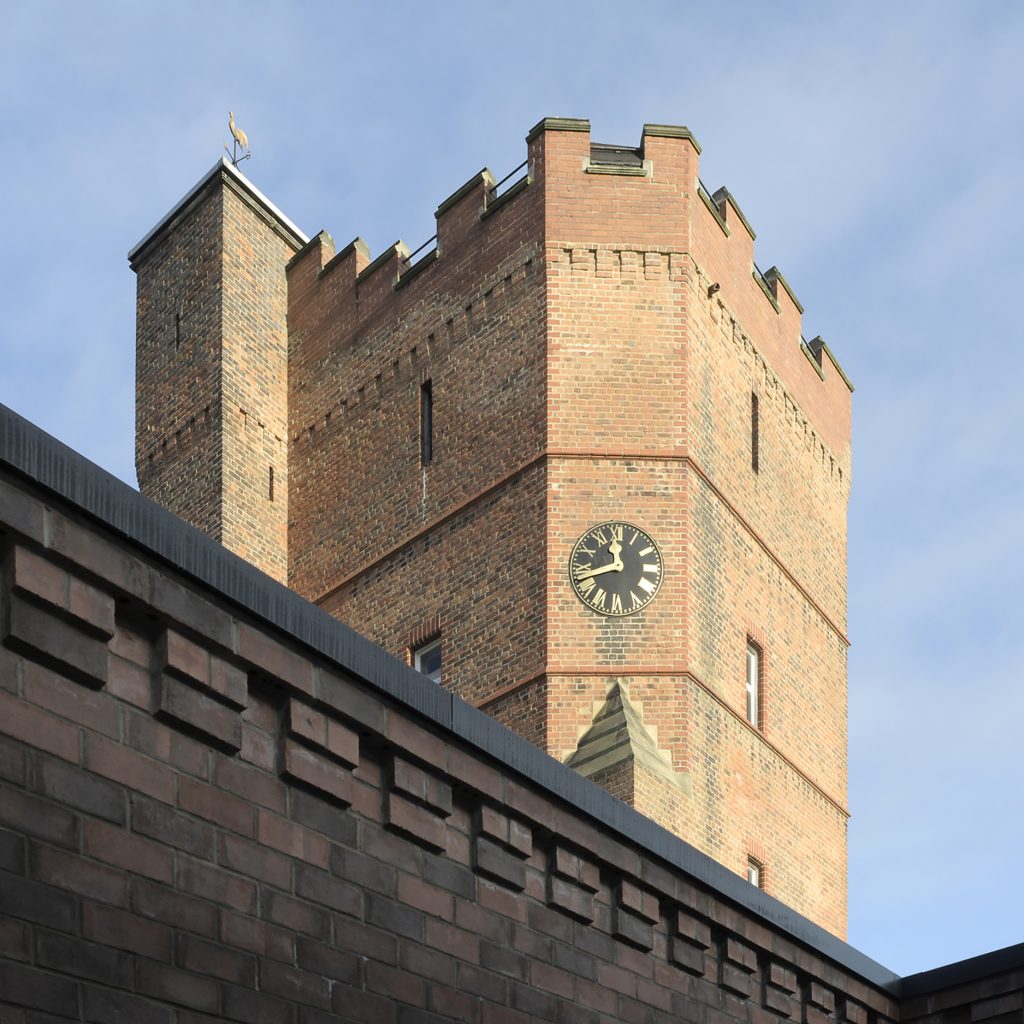 Aysgarth School
Aysgarth School
-
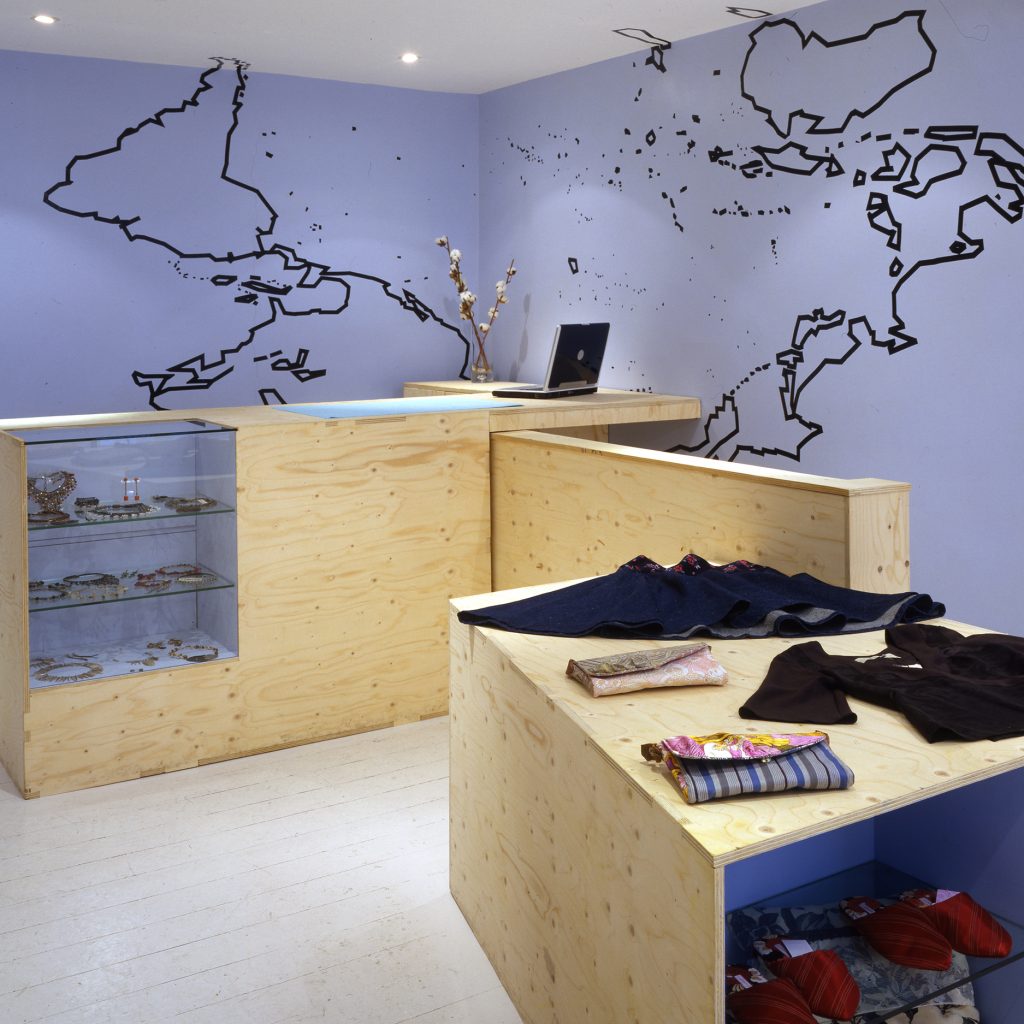 Equa
EquaEqua
-
 Christopher’s
Christopher’s
-
 Ming
MingMing
-
 Strada
Strada
-
 Cowley Manor
Cowley Manor
-
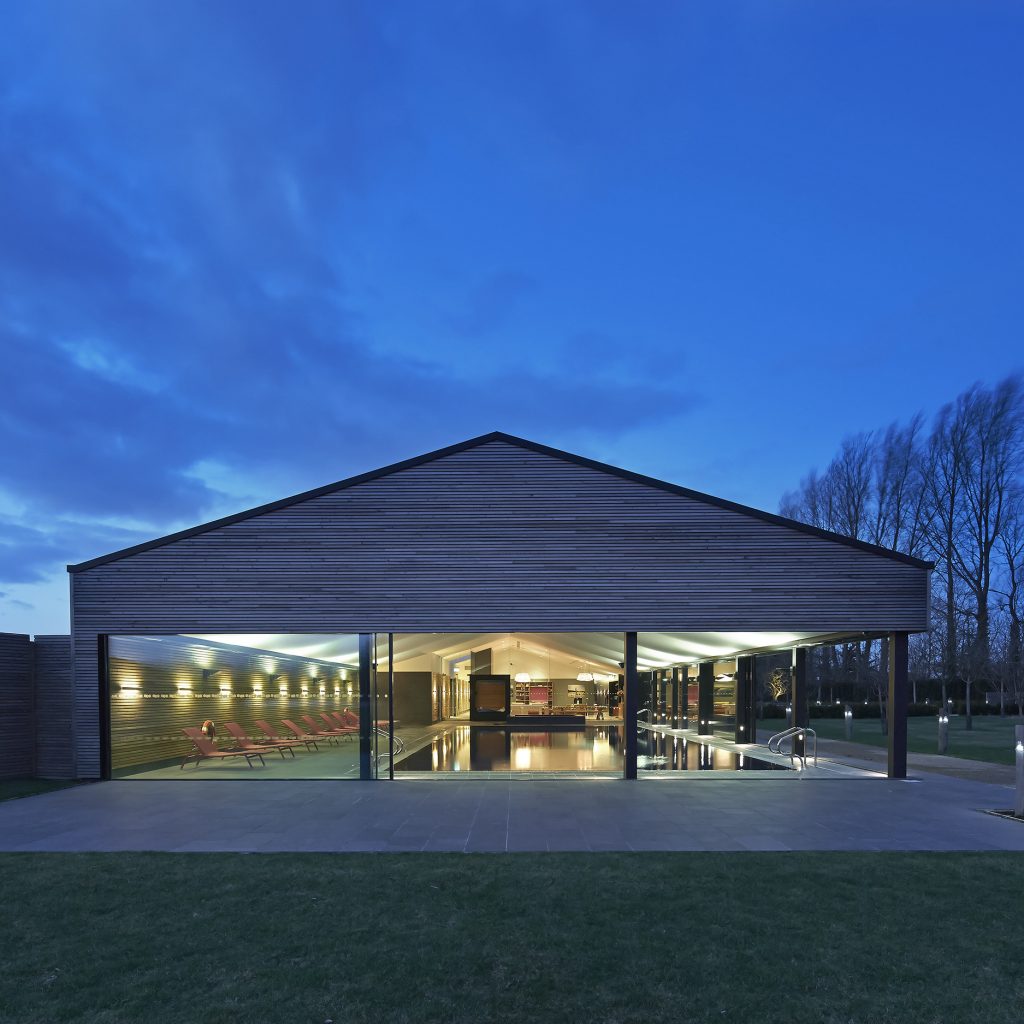 Orchard Spa
Orchard Spa
-
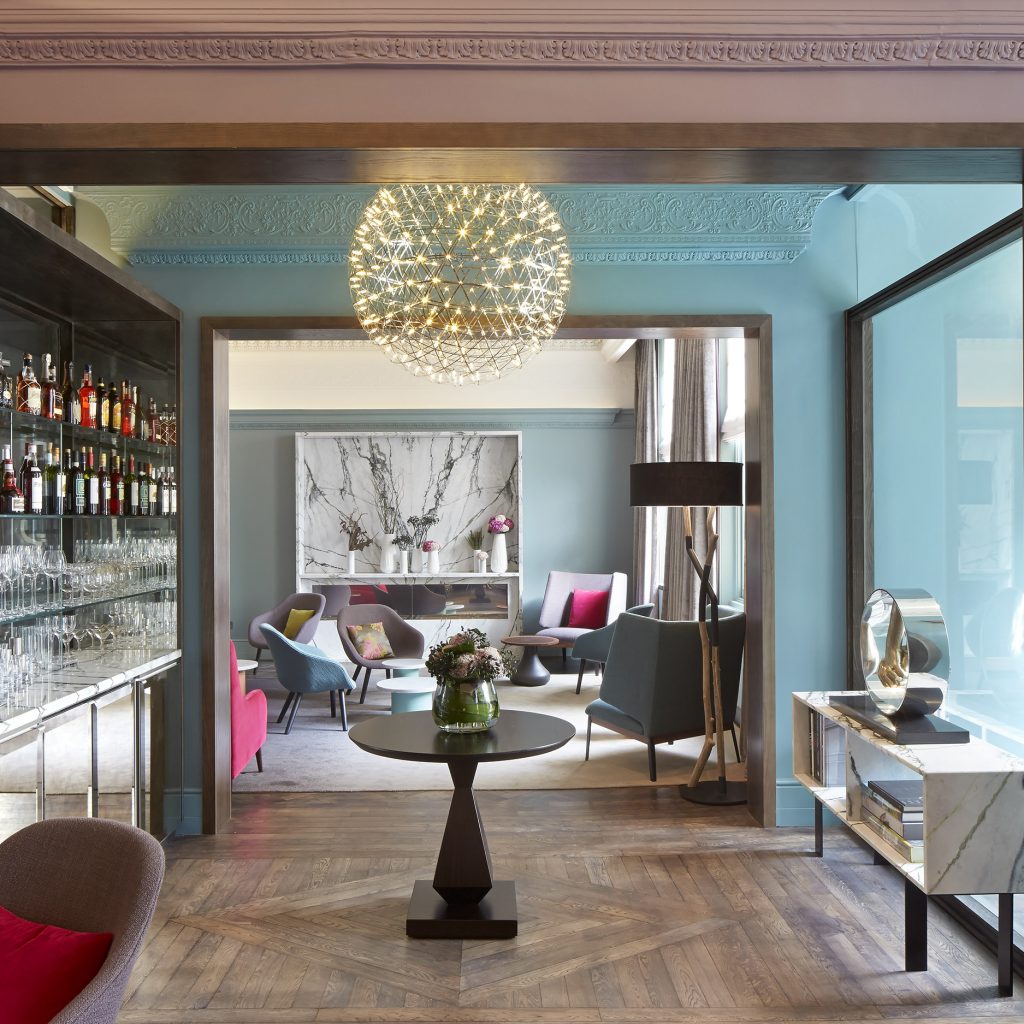 Arbor Hyde Park
Arbor Hyde Park
-
 Lansdowne Club
Lansdowne Club
-
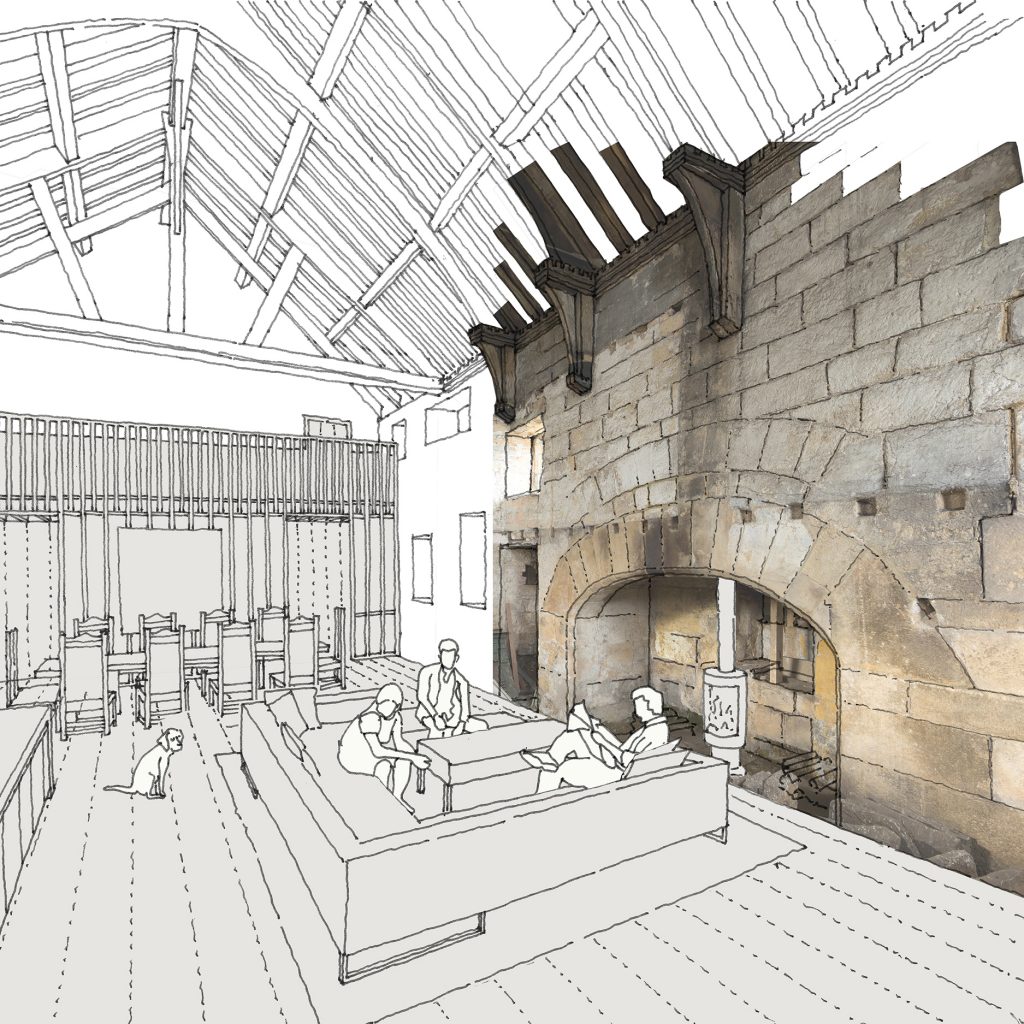 Calverley Old Hall
Calverley Old Hall
-
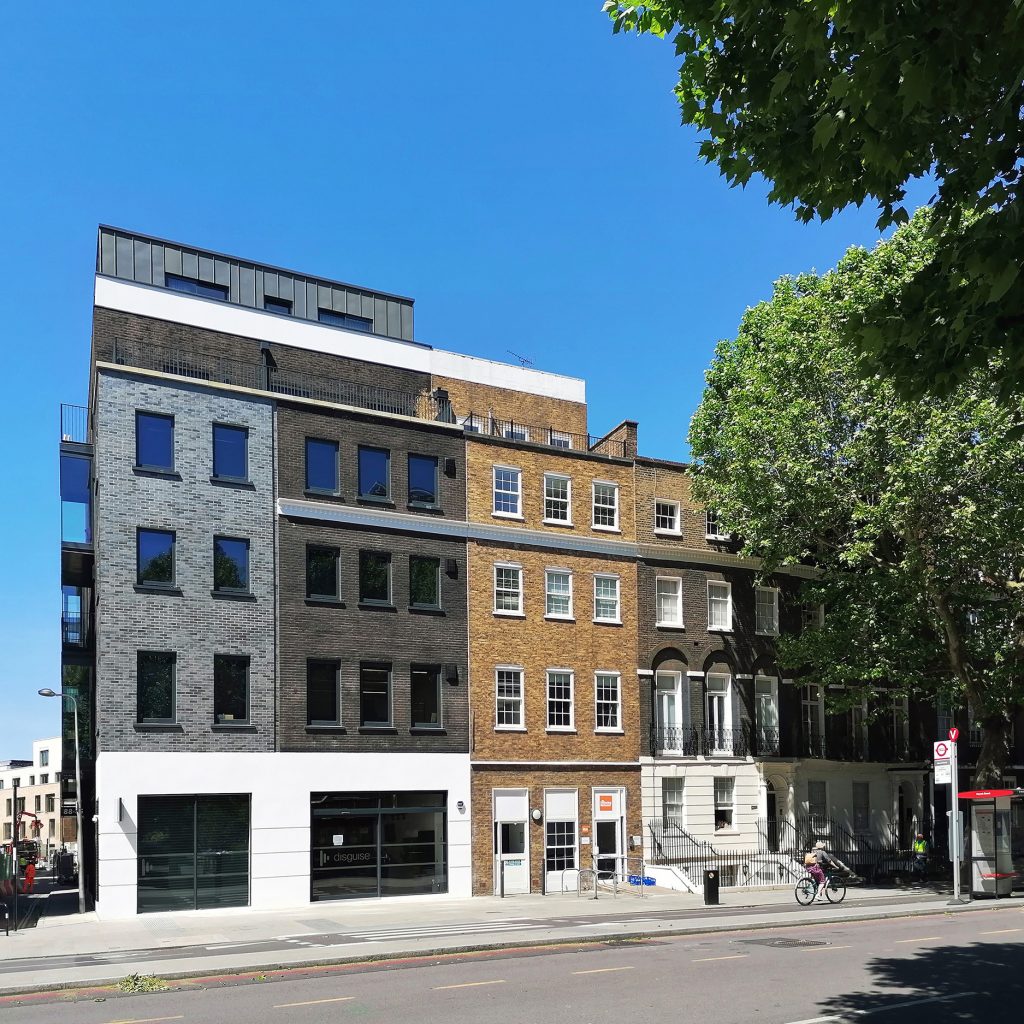 Blackfriars Road
Blackfriars Road
-
 Southwark Street
Southwark Street
-
 St John’s
St John’s
-
 Round Tower
Round Tower
-
 Tree Trunk
Tree Trunk
-
 Home Farm
Home Farm
-
 Garden House
Garden House

