Wonderlab


Trains, locomotion and simple engineering concepts hold a special place in children’s imagination. Wonderlab – The Bramall Gallery at the National Railway Museum will inspire future generations of engineers and inventors. Hands -on experimentation and creative exploration is encouraged to excite, inspire and challenge young minds. The gallery’s 18 interactive exhibits showcase different engineering and railway concepts, encouraging visitors to think like engineers and develop skills as they design, build and test in an exciting, permissive and playful manner.
The engaging and intuitive open-plan workshop aims to stimulate social interaction, dialogue and learning around these exhibits, each promoting a collaborative, inquisitive, open and broad approach bringing an awareness of issues centered on sustainability and energy use. Intended to bring together existing and new audiences, the space appeals to a cross-generational audience but focuses on captivating the minds of 7–14-year-olds.
To create the exhibits, a process of testing and prototyping involved more than 1,300 people, including experts within the rail industry, education, local community groups and members of the public. The project engaged SEND specialists to ensure that accessibility is at the core of the design and the gallery is welcoming to all visitors.
The design scheme explores different forms of ‘Motion’ evoked by railway engineering, particularly the perception of relative motion in relation to static volumes, surfaces, textures and light.
Sited in the former locomotive repair workshop, the scheme draws inspiration from its layered history and authentic, raw interior and stitches new and old building fabric together. A family of new ‘engineering’ timber structures, reminiscent of iconic locomotive fragments, act as screening and layering devices to define zones and create areas of intimacy within the largely open-plan gallery. Housing a theatre and a learning space, the shape and construction of the structures communicates and celebrates the creative process and language of core railway engineering principles, taking inspiration from key exhibits and concepts throughout the museum. The briefing space, for example, draws inspiration from the Ellerman Lines steam locomotive to create a surreal and engaging play on scale where visitors metaphorically transform into the size of a steam drop.
A timber lining skirts the perimeter of the space to reduce the gallery’s imposing scale and add a sense of warmth and calm against which the interactives are set. The lining gently evolves to become work benches, seating areas, storage cupboards and viewing portals. Imperfections and historical wear and tear, such as the concrete floor, are exposed and celebrated. The memory, rawness and energy of the building’s previous use as a railway repair workshop has been maintained wherever possible. Larger-scale permanent structures, such as the wheel drop, pits and crane, have been re-activated to form the framework and supporting elements for new content within the gallery.
De Matos Ryan worked collaboratively with graphic designers Lucienne Roberts +
The gallery includes two unique art installations by artists Pippa Hale and Steve Messam.


Team:
Project Manager / PD
Faithful & Gould
Cost Consultant
@arcadisglobal
Structure / Services Engineers
@buro_happold
Lighting / Acoustic Designers
@maxfordhamllp
Access Consultant
@emryates #mimagroup
Fire Consultant
@ofrconsultants
Graphic Designers
@luciennerobertsplus_
Artist commissions
@pippahale
@rougeit
Exhibit Designers / Makers
@huettinger.de
@unusualprojectsltd
@amazinginteractives
@stand__and__stare
Label & Interactive Wall Illustration
@mashushka
@heart_agency
Contractor
@elmwoodprojects
Graphics production
@omnicolour
@twwco
More Selected WorkCulture + CommunityEducation + PlayHeritage
-
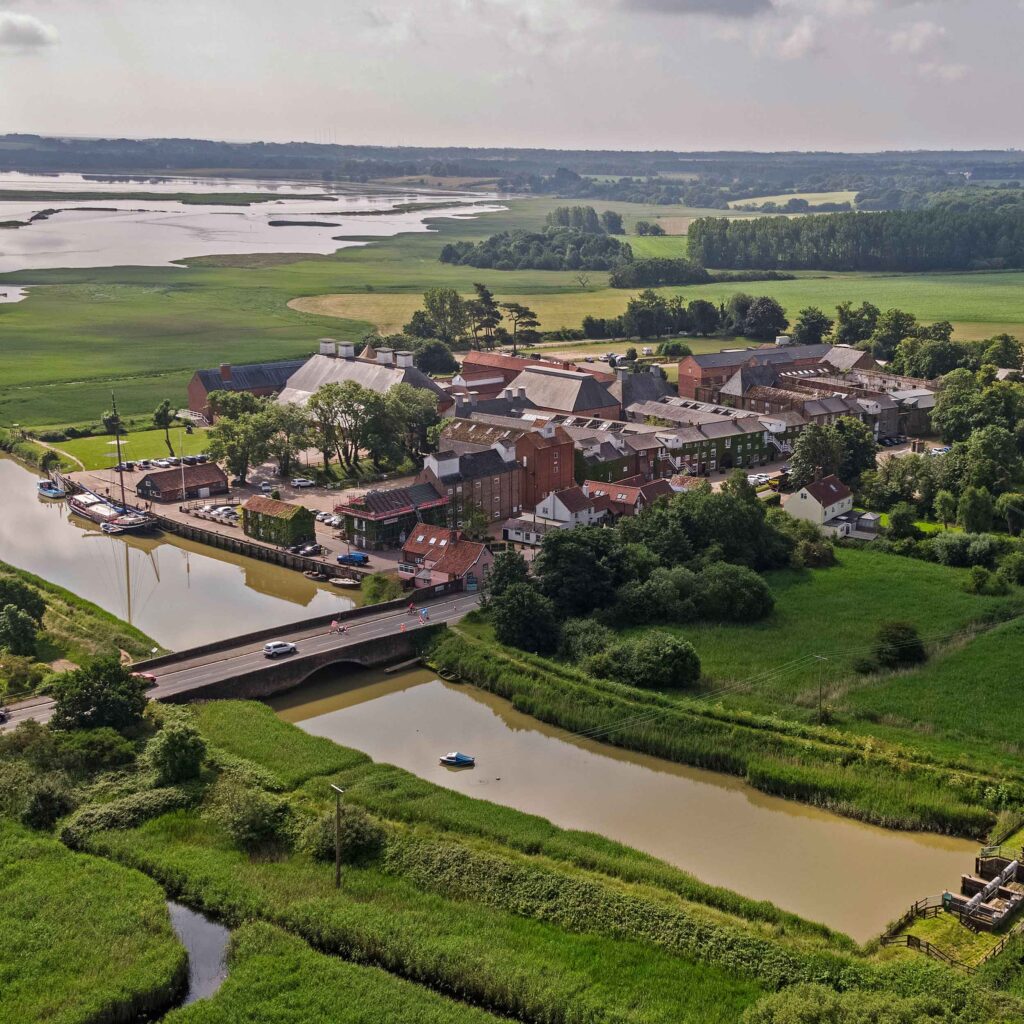 Britten Pears Arts
Britten Pears Arts
-
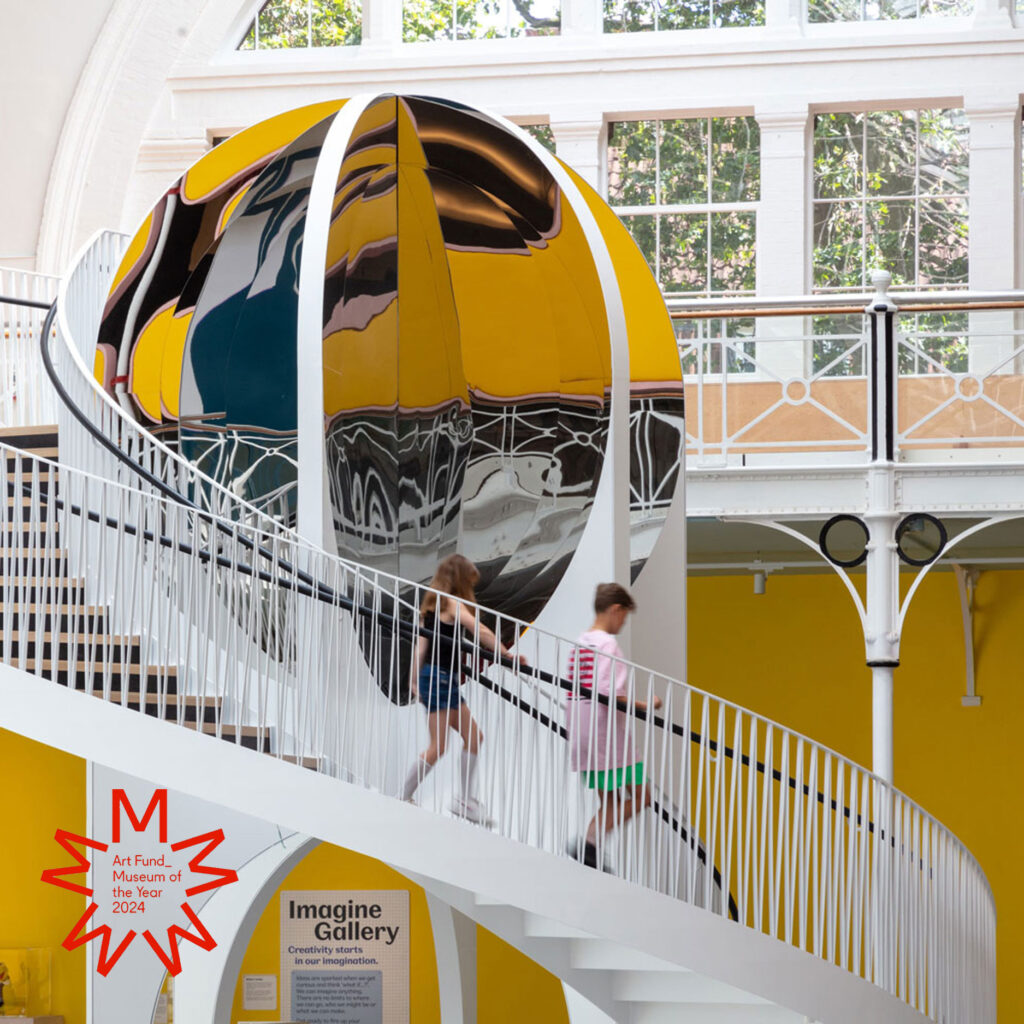 Young V&A
Young V&A
-
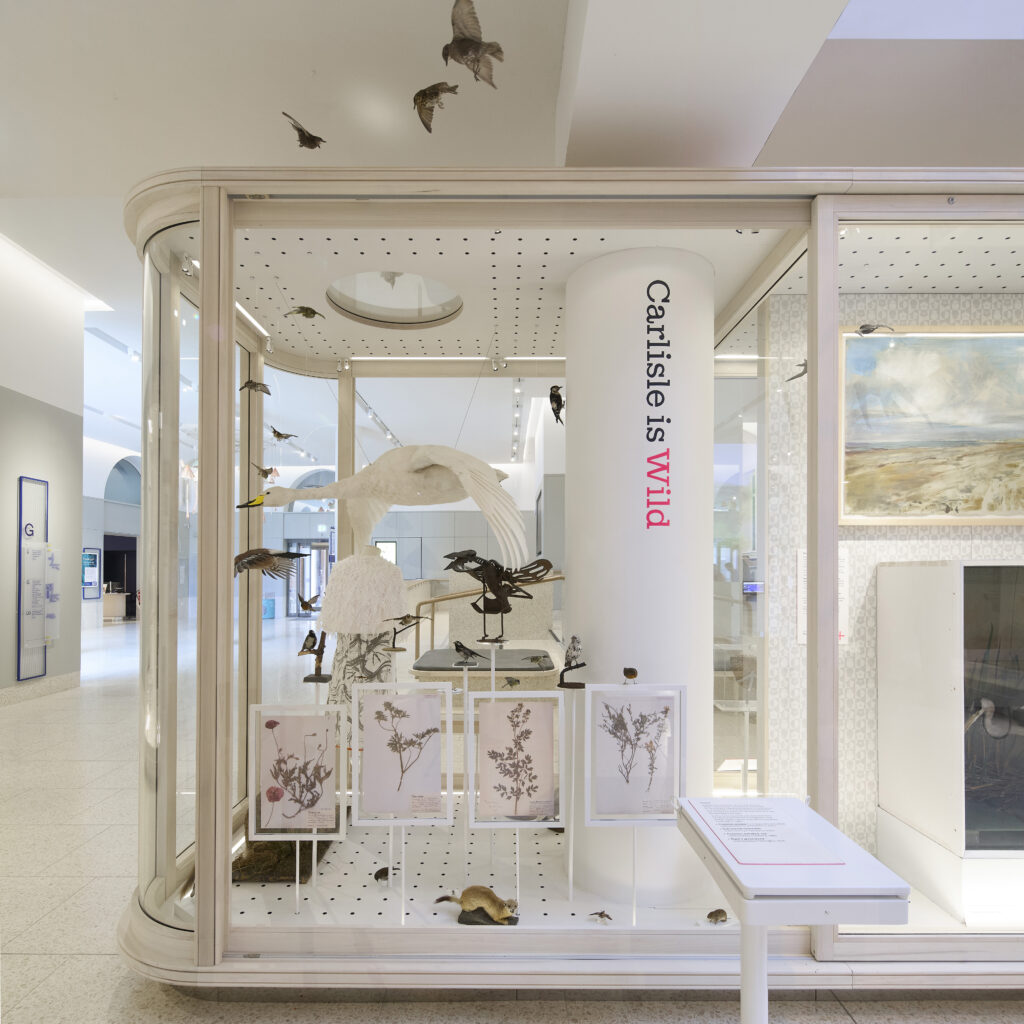 Carlisle Gallery
Carlisle Gallery
-
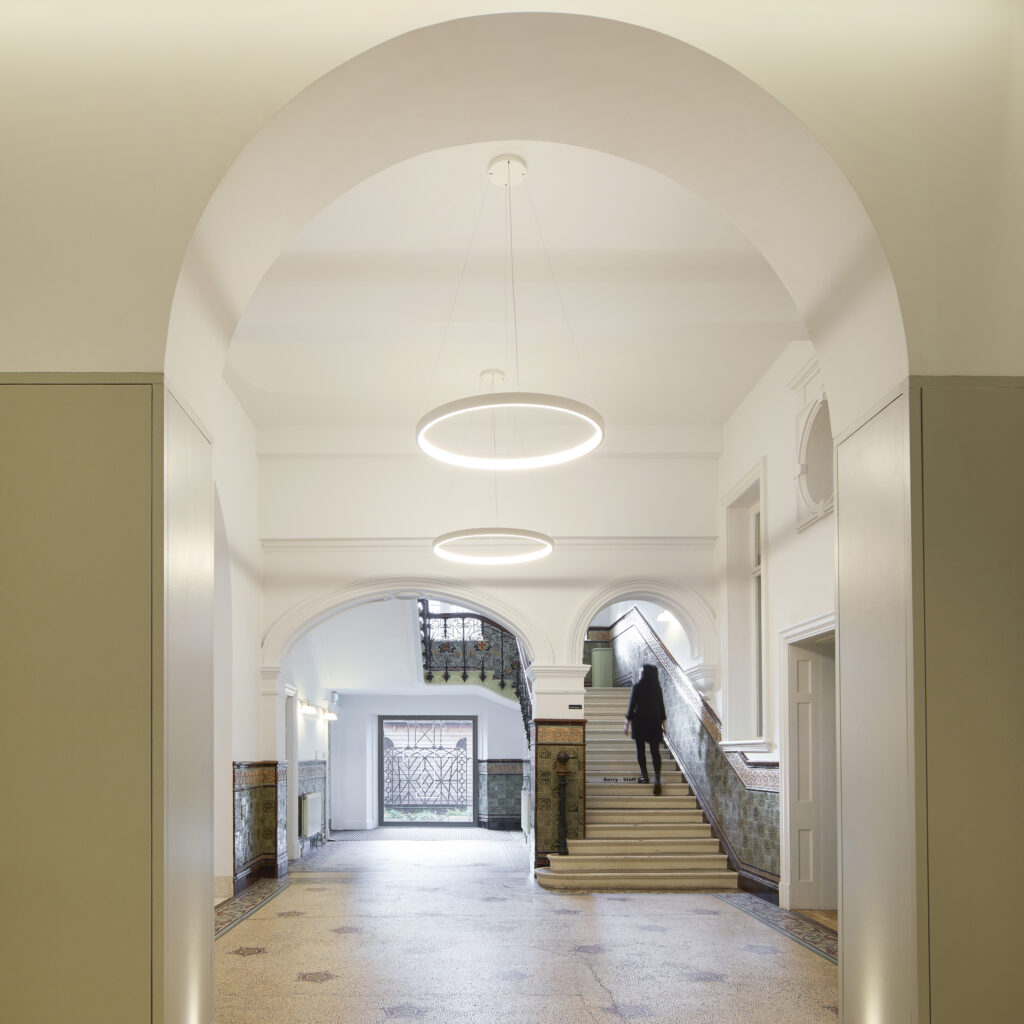 Tullie House Museum
Tullie House Museum
-
 York Mansion House
York Mansion House
-
 Ucheldre
Ucheldre
-
 Cowley Manor Pavilion
Cowley Manor Pavilion
-
 The Alice Hawthorn
The Alice Hawthorn
-
 ArtsEd Schools
ArtsEd Schools
-
 Cranmer Road
Cranmer Road
-
 Georgian Theatre Royal
Georgian Theatre Royal
-
 Penfold
Penfold
-
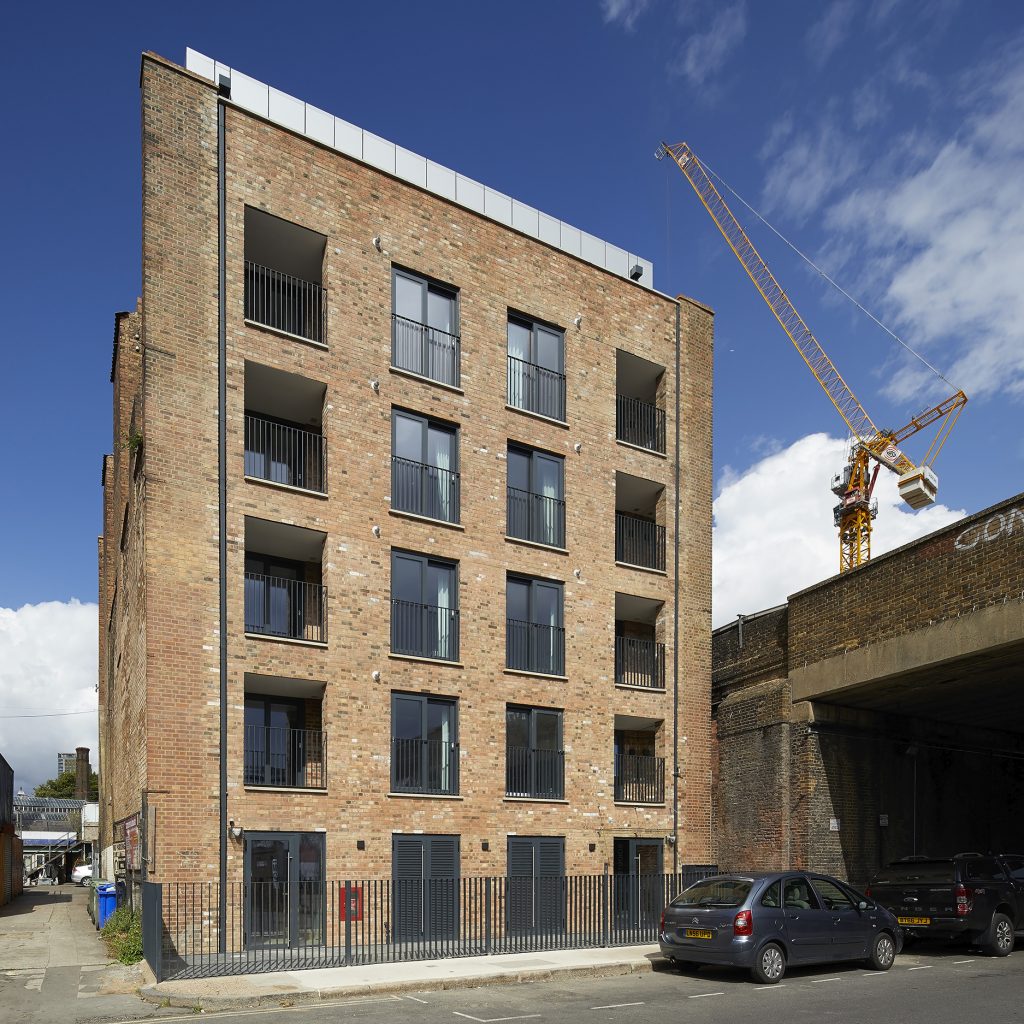 Penrose Street
Penrose Street
-
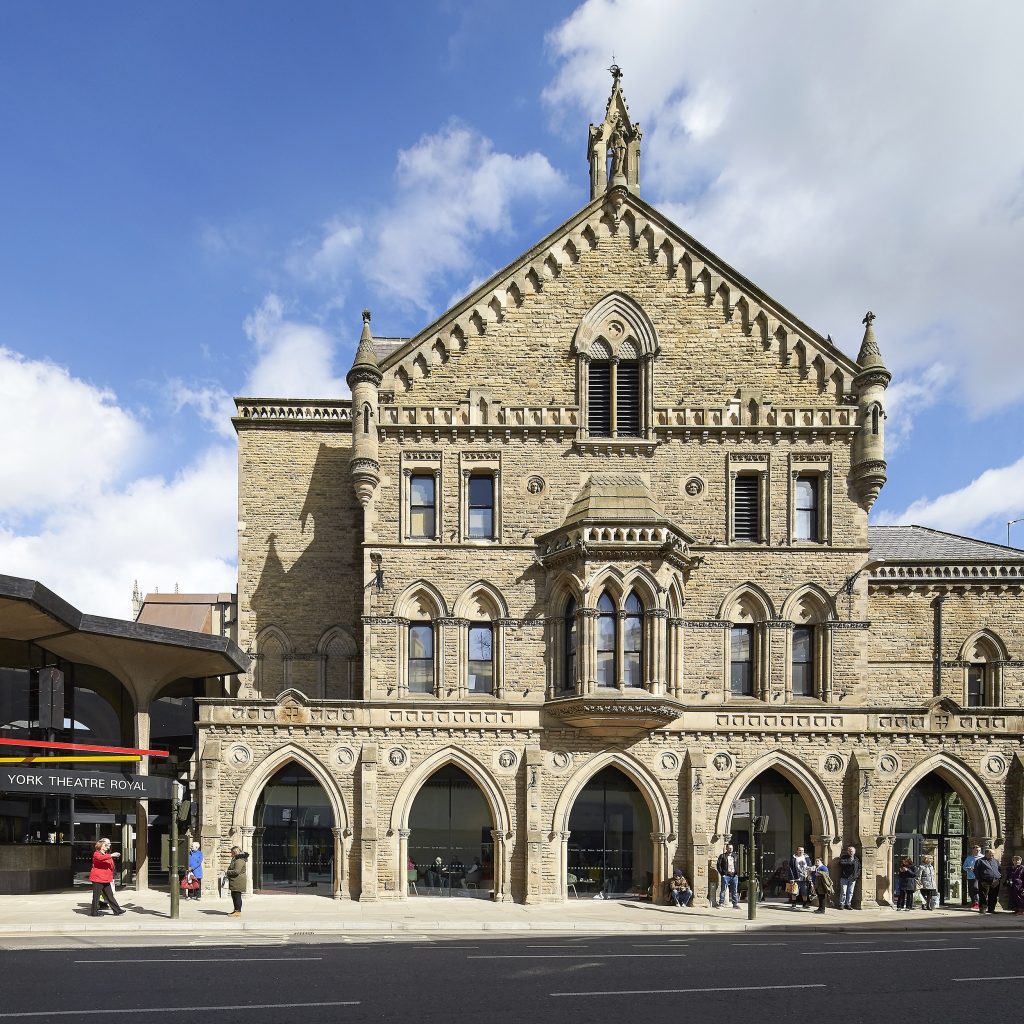 York Theatre Royal
York Theatre Royal
-
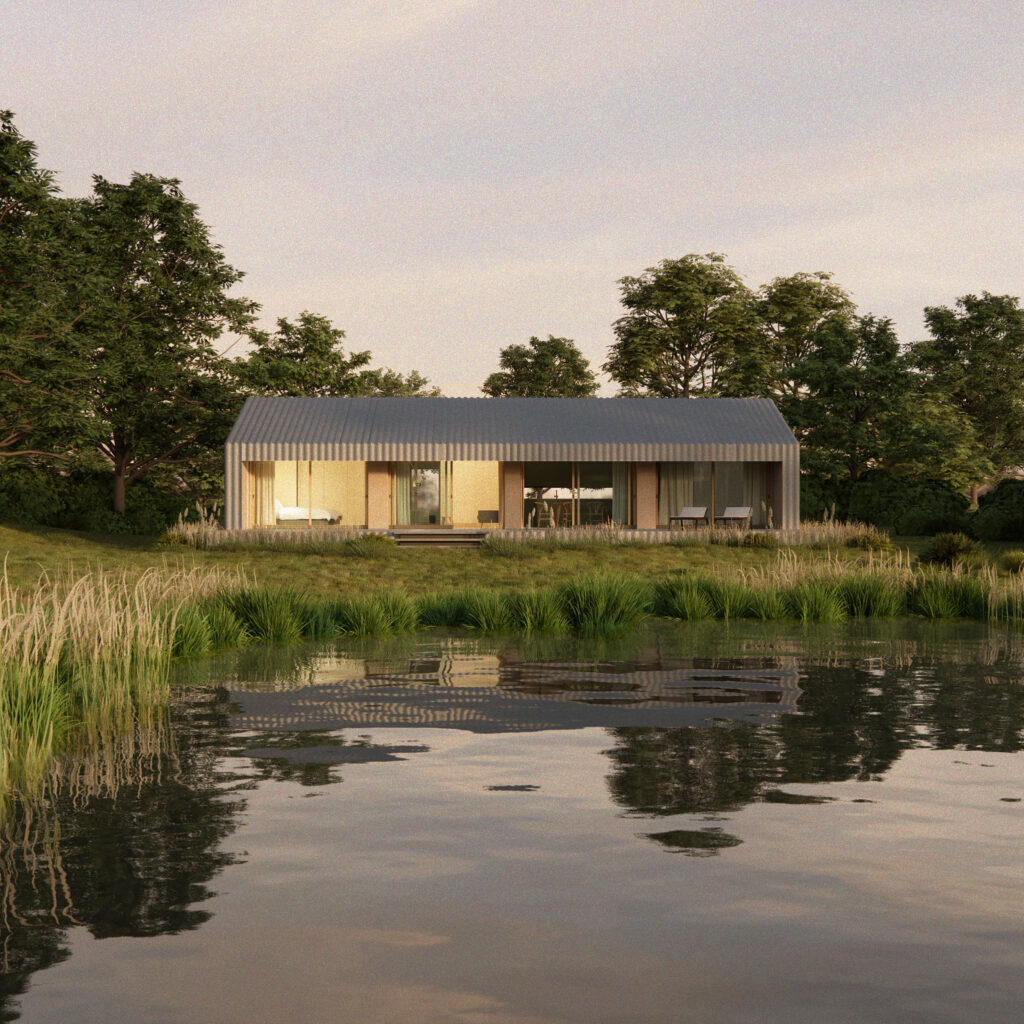 Constable Burton
Constable Burton
-
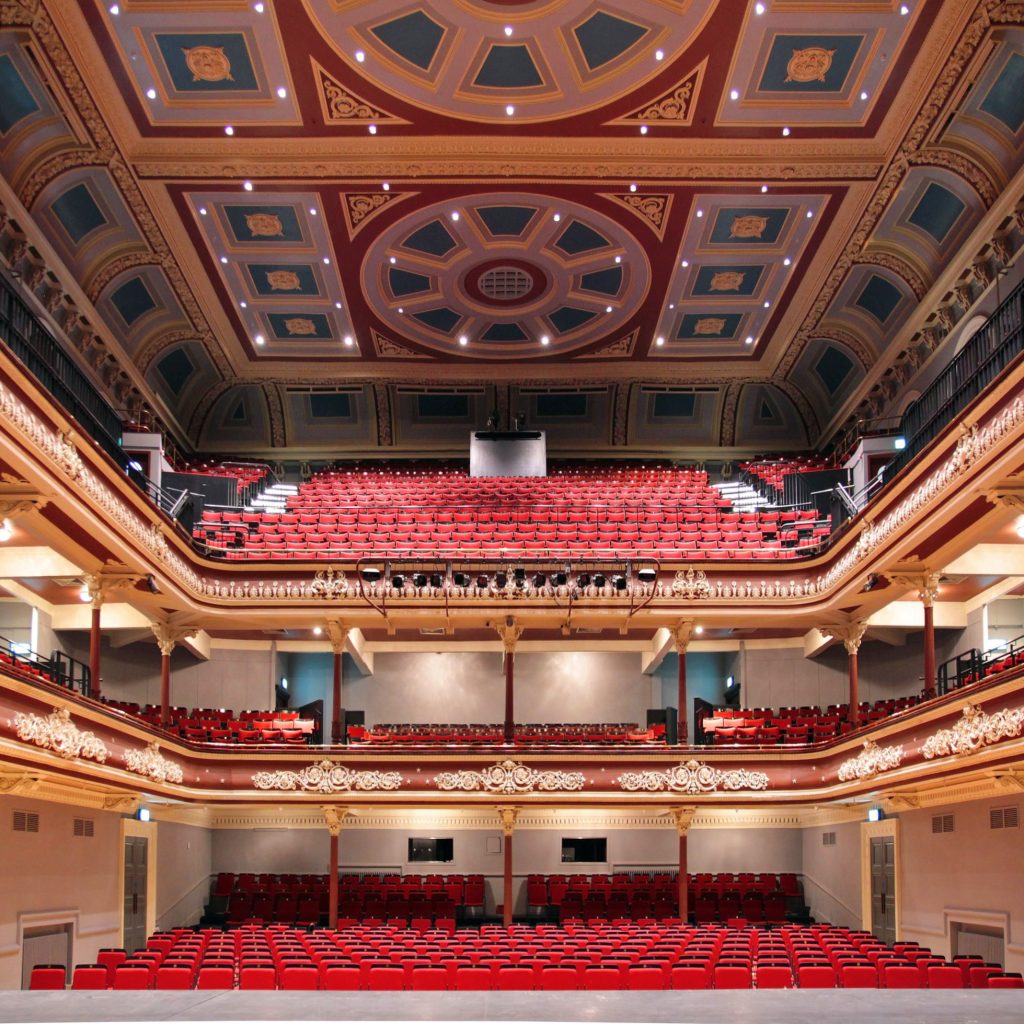 St George’s Hall
St George’s Hall
-
 Wyeside Arts Centre
Wyeside Arts Centre
-
 C-Side
C-Side
-
 Gibraltar Tower
Gibraltar Tower
-
 Bird Boxes
Bird Boxes
-
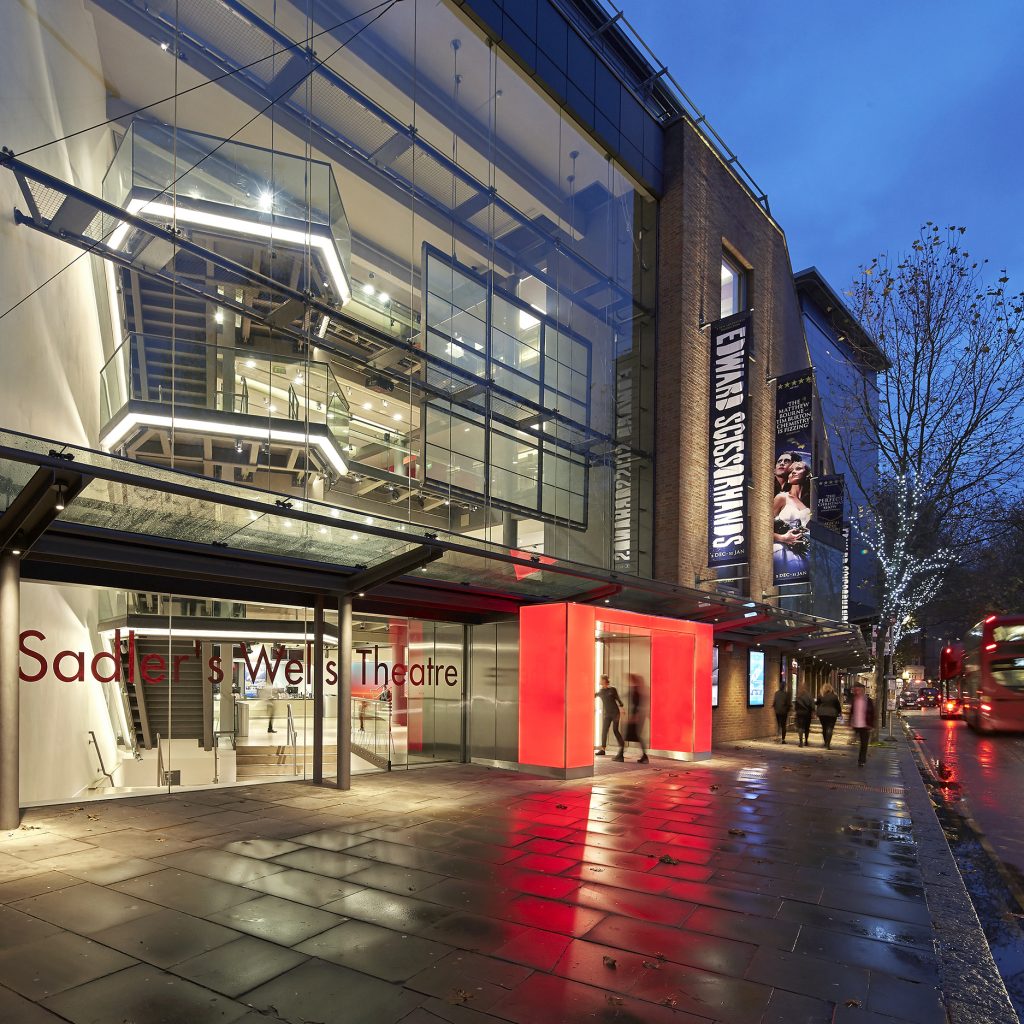 Sadler’s Wells
Sadler’s Wells
-
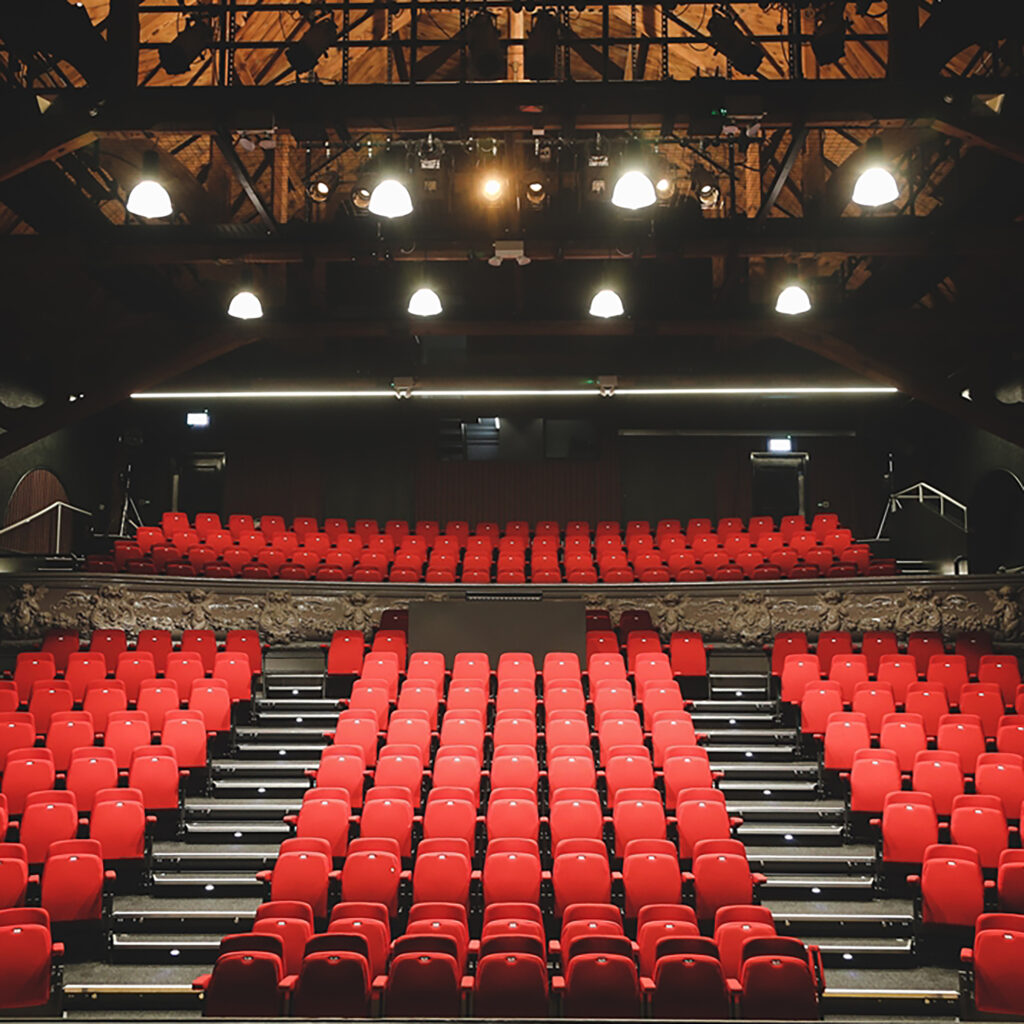 Borough Theatre
Borough Theatre
-
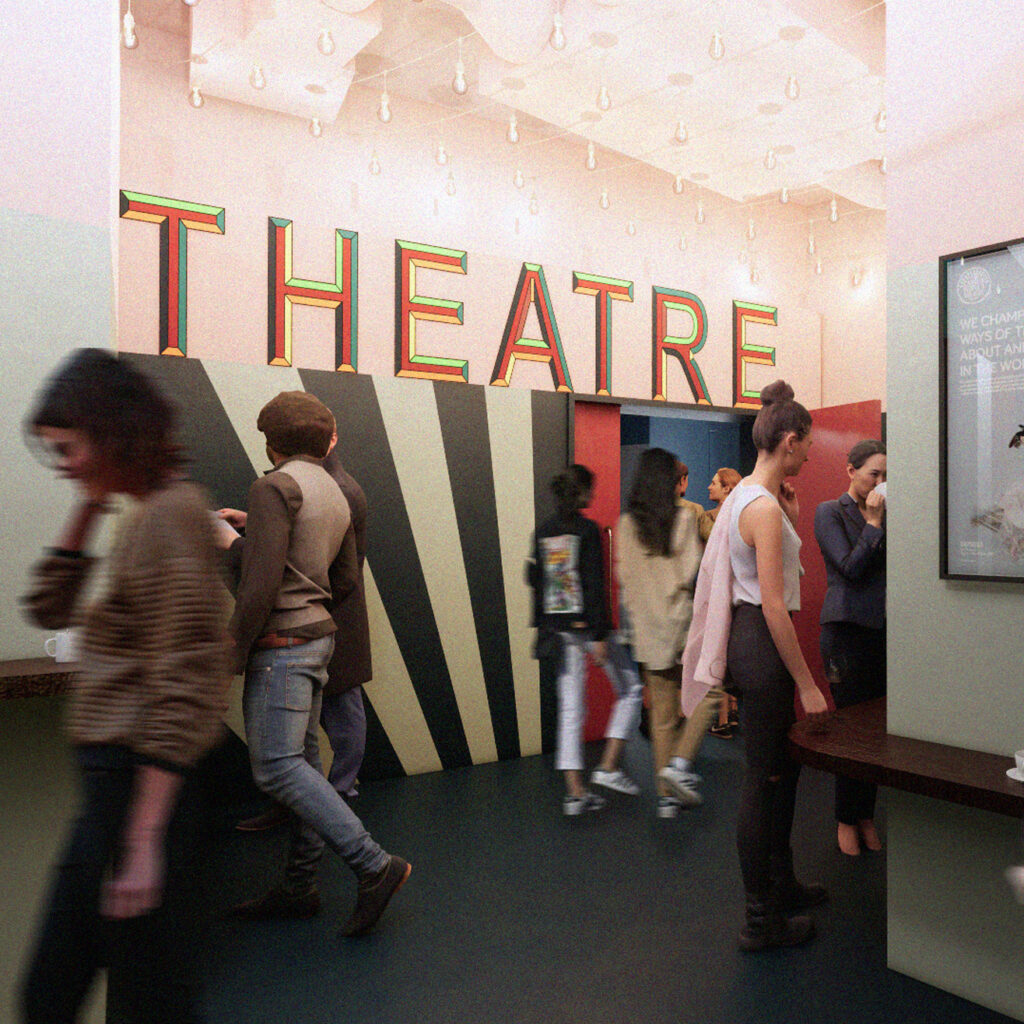 CPT
CPTCPT
-
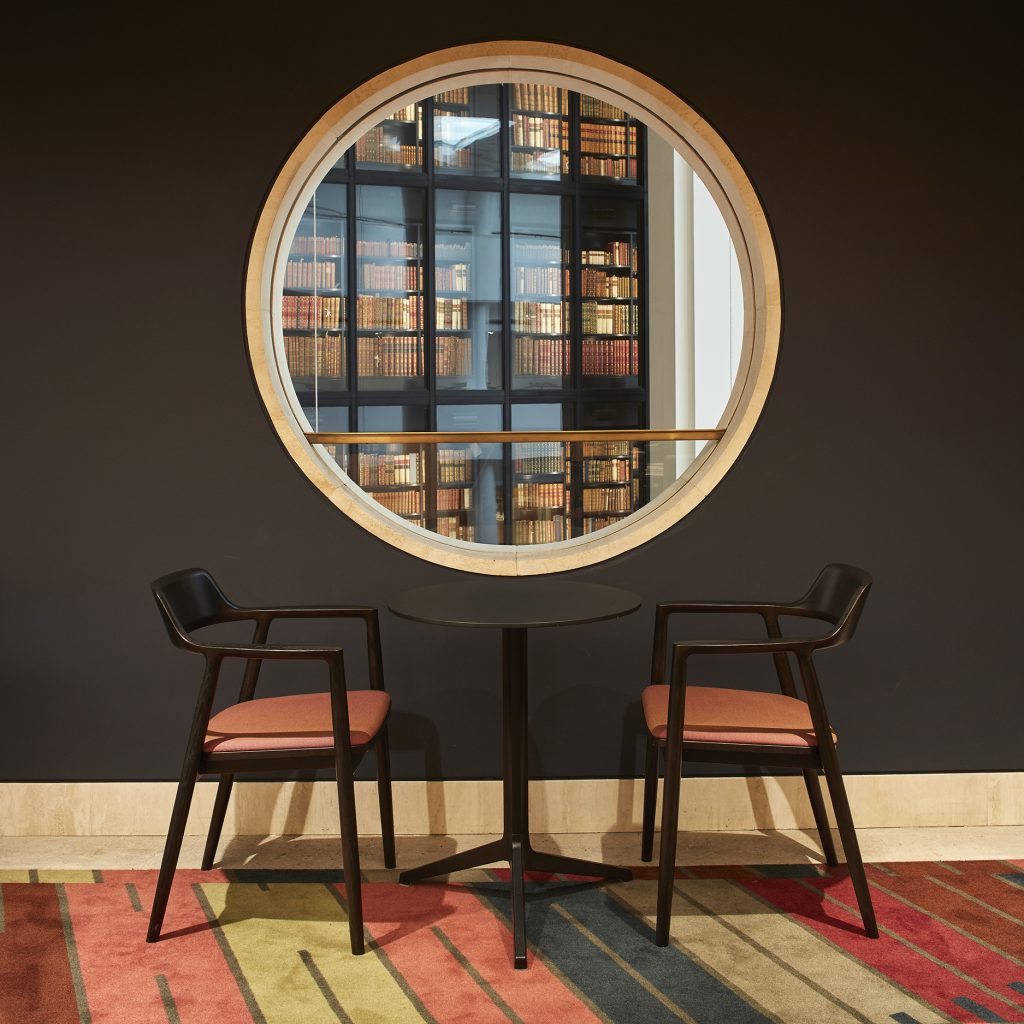 The British Library
The British Library
-
 Charlotte Sharman
Charlotte Sharman
-
 Wearhead Primary
Wearhead Primary
-
 Hockerill College
Hockerill College
-
 Aysgarth School
Aysgarth School
-
 St Michael’s College
St Michael’s College
-
 Equa
EquaEqua
-
 Christopher’s
Christopher’s
-
 Ming
MingMing
-
 Strada
Strada
-
 Cowley Manor
Cowley Manor
-
 Orchard Spa
Orchard Spa
-
 Arbor Hyde Park
Arbor Hyde Park
-
 Lansdowne Club
Lansdowne Club
-
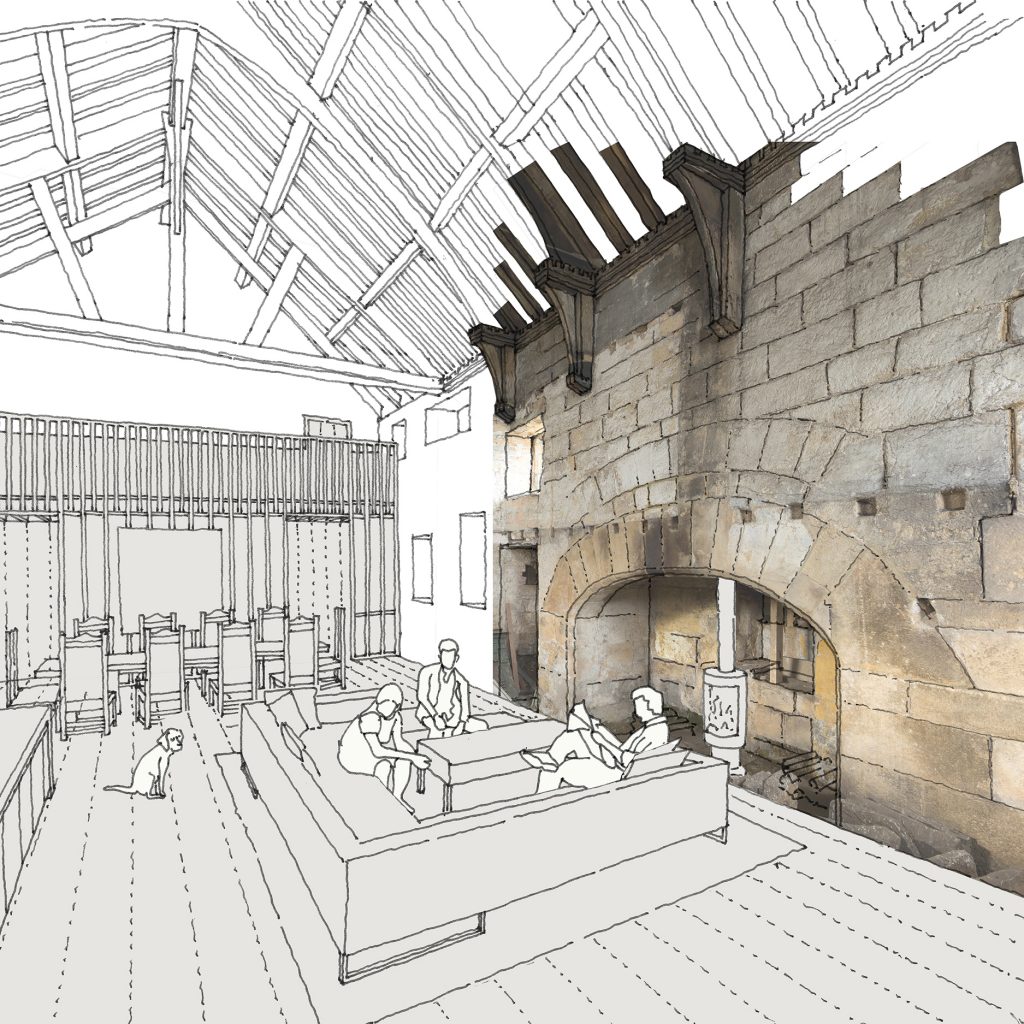 Calverley Old Hall
Calverley Old Hall
-
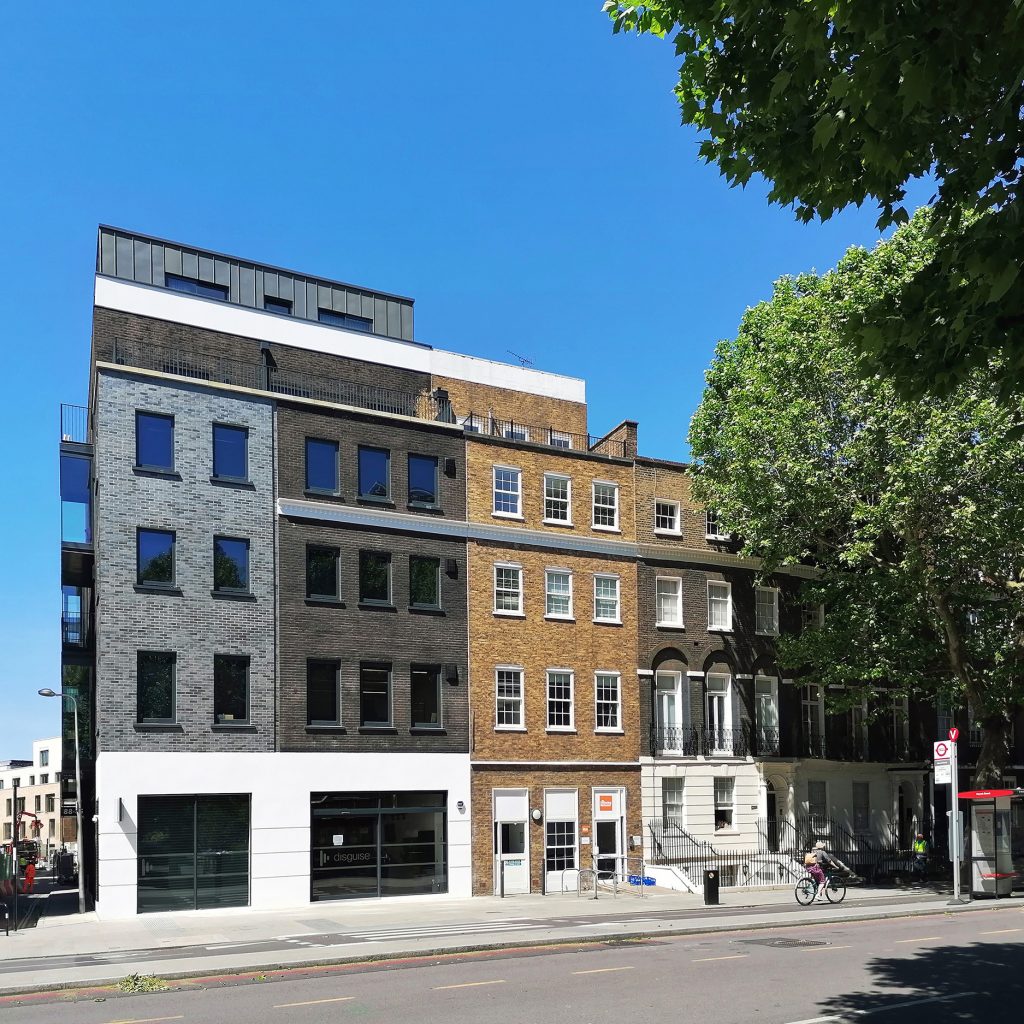 Blackfriars Road
Blackfriars Road
-
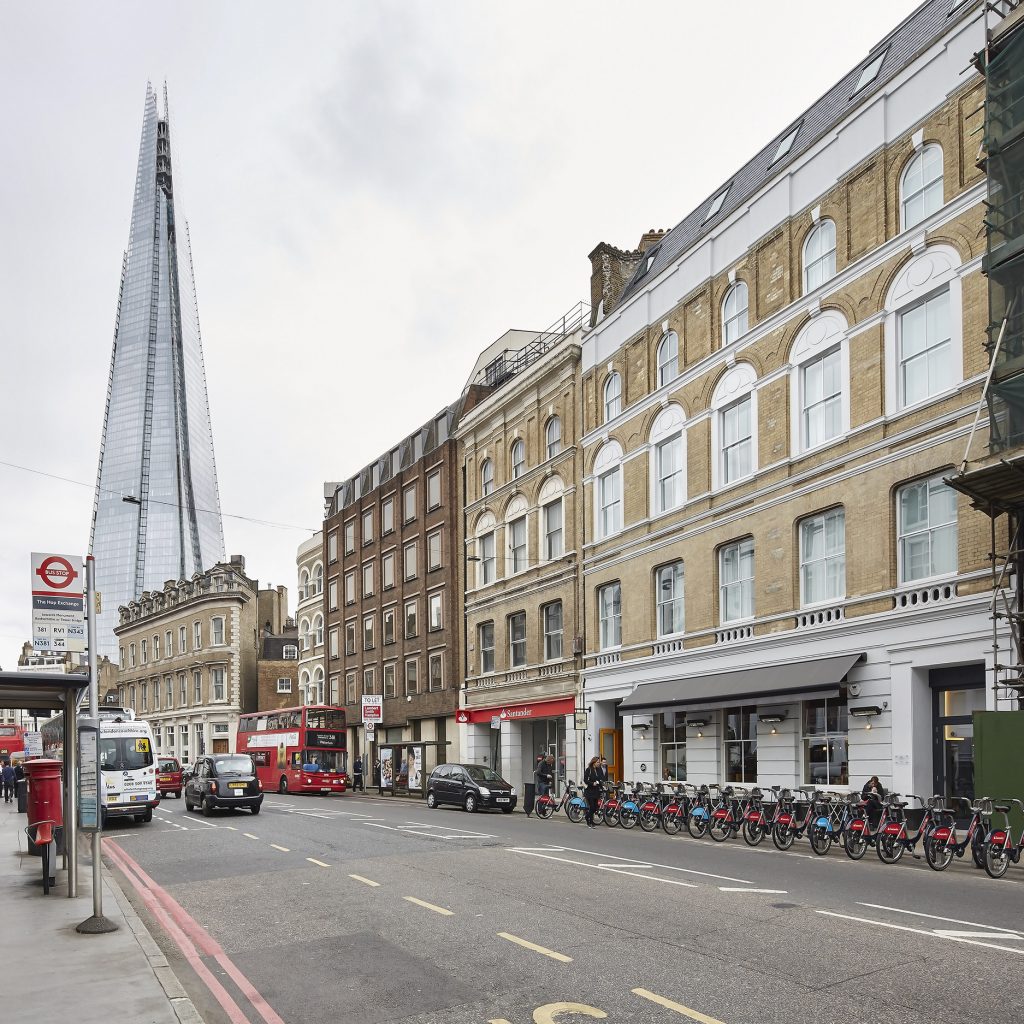 Southwark Street
Southwark Street
-
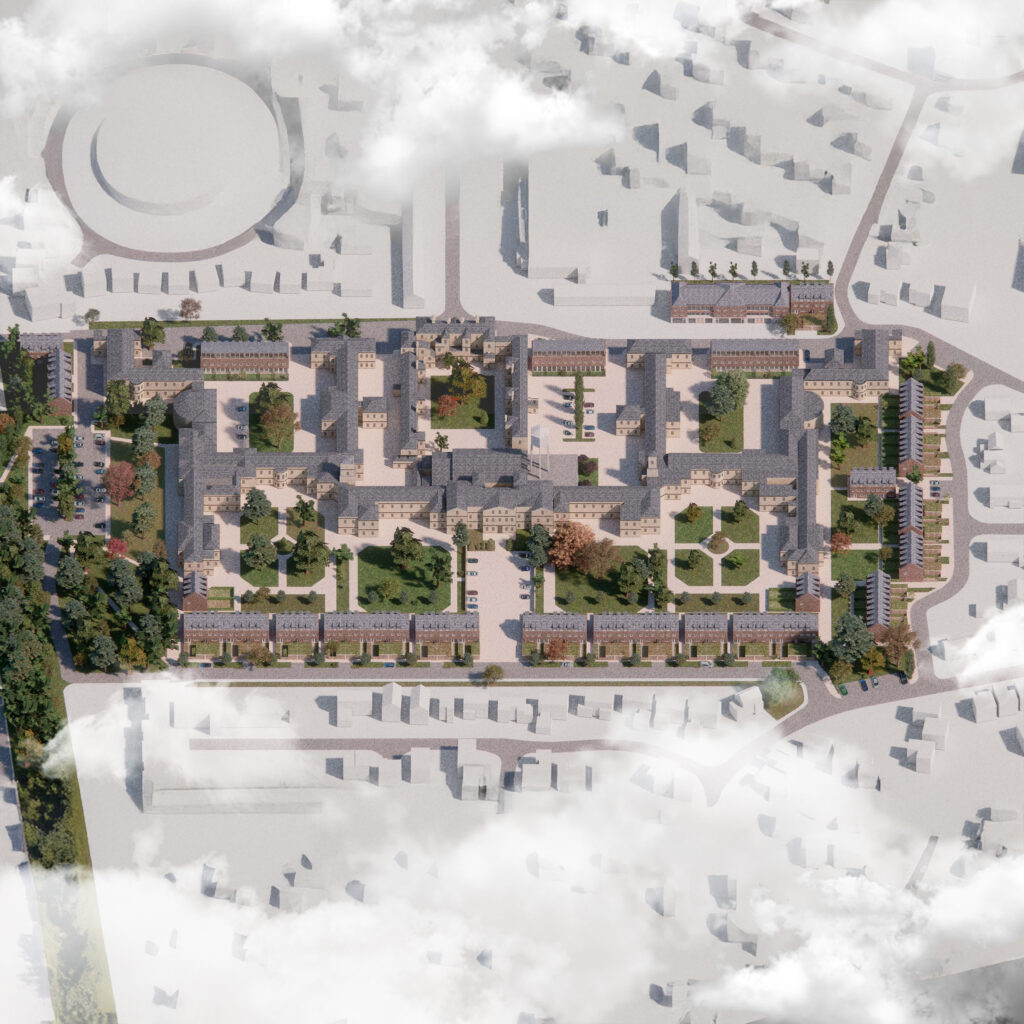 St John’s
St John’s
-
 Round Tower
Round Tower
-
 Tree Trunk
Tree Trunk
-
 Home Farm
Home Farm
-
 Garden House
Garden House

